
Last updated September 24, 2026
Free written scope consultation - allowances, timeline, and change-order rules on paper before a single trade is scheduled







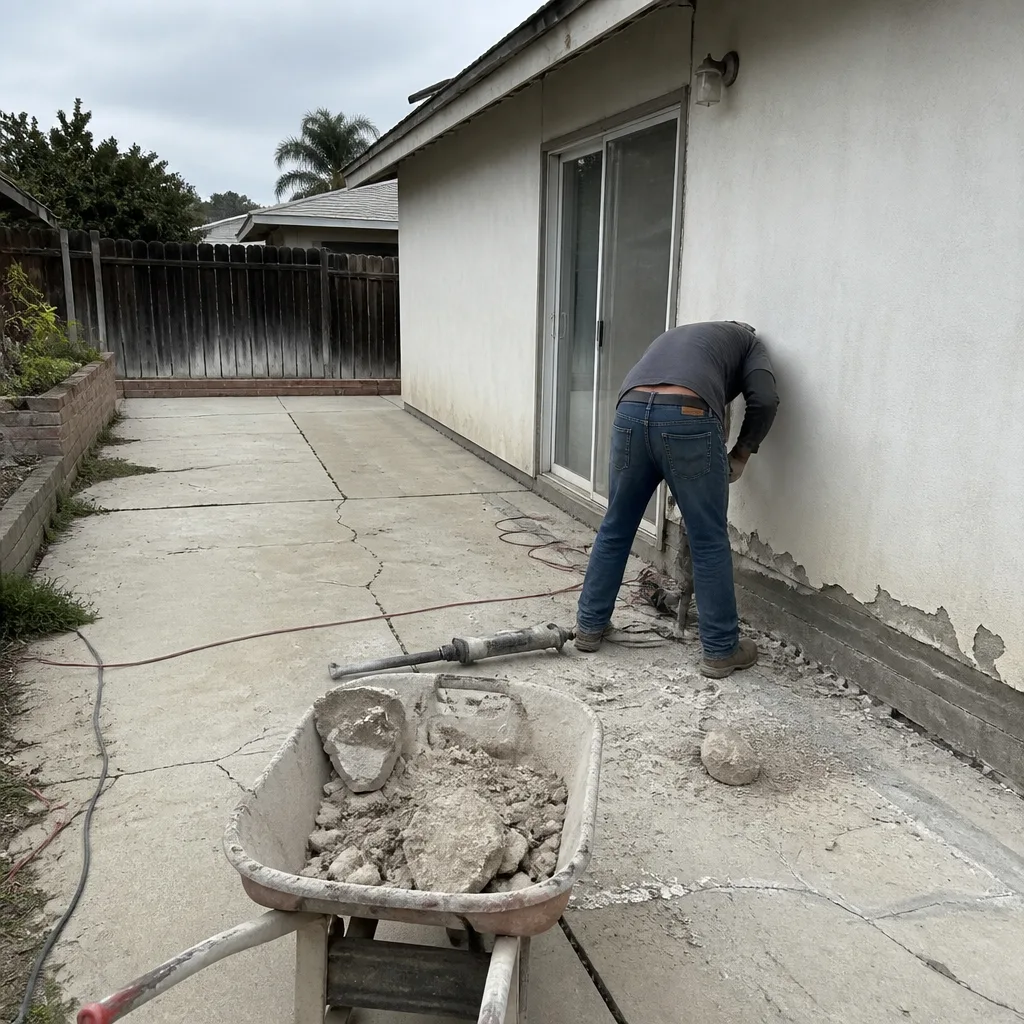 Before
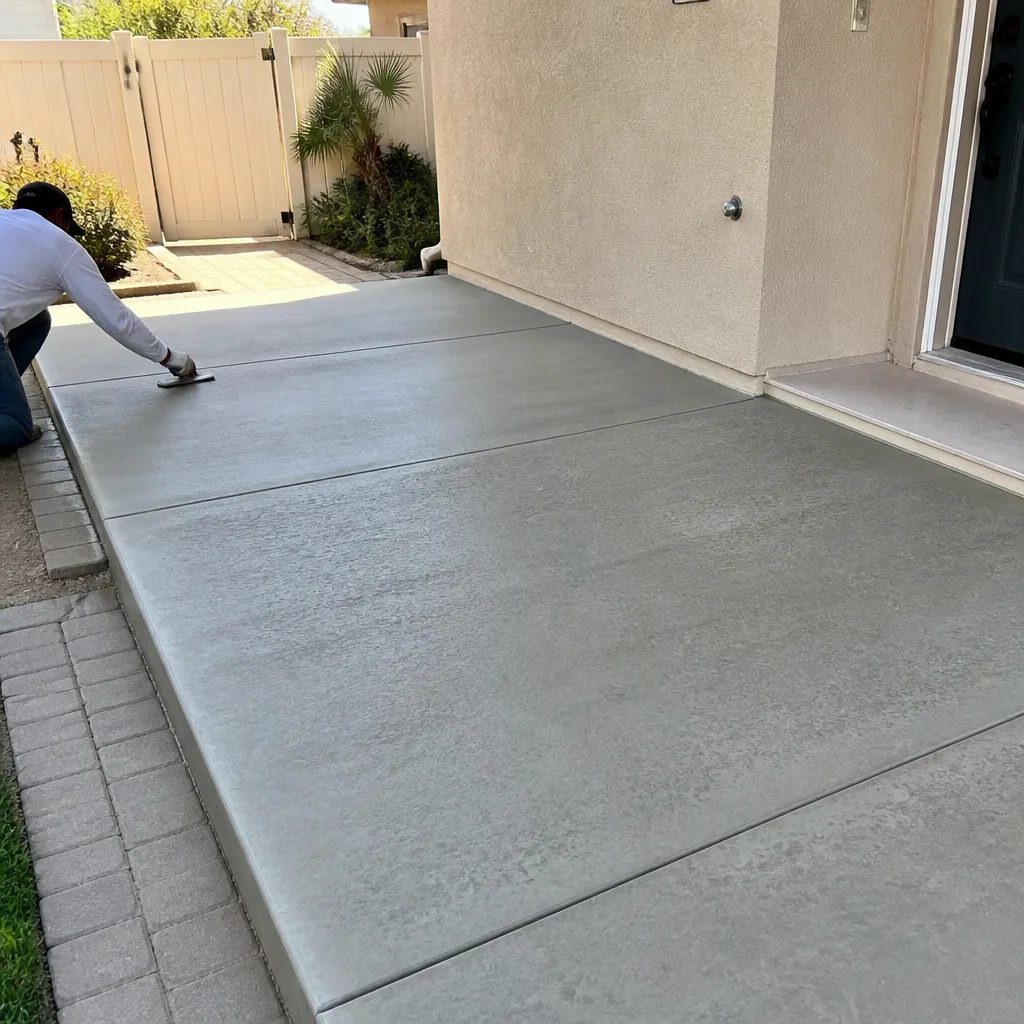 After
After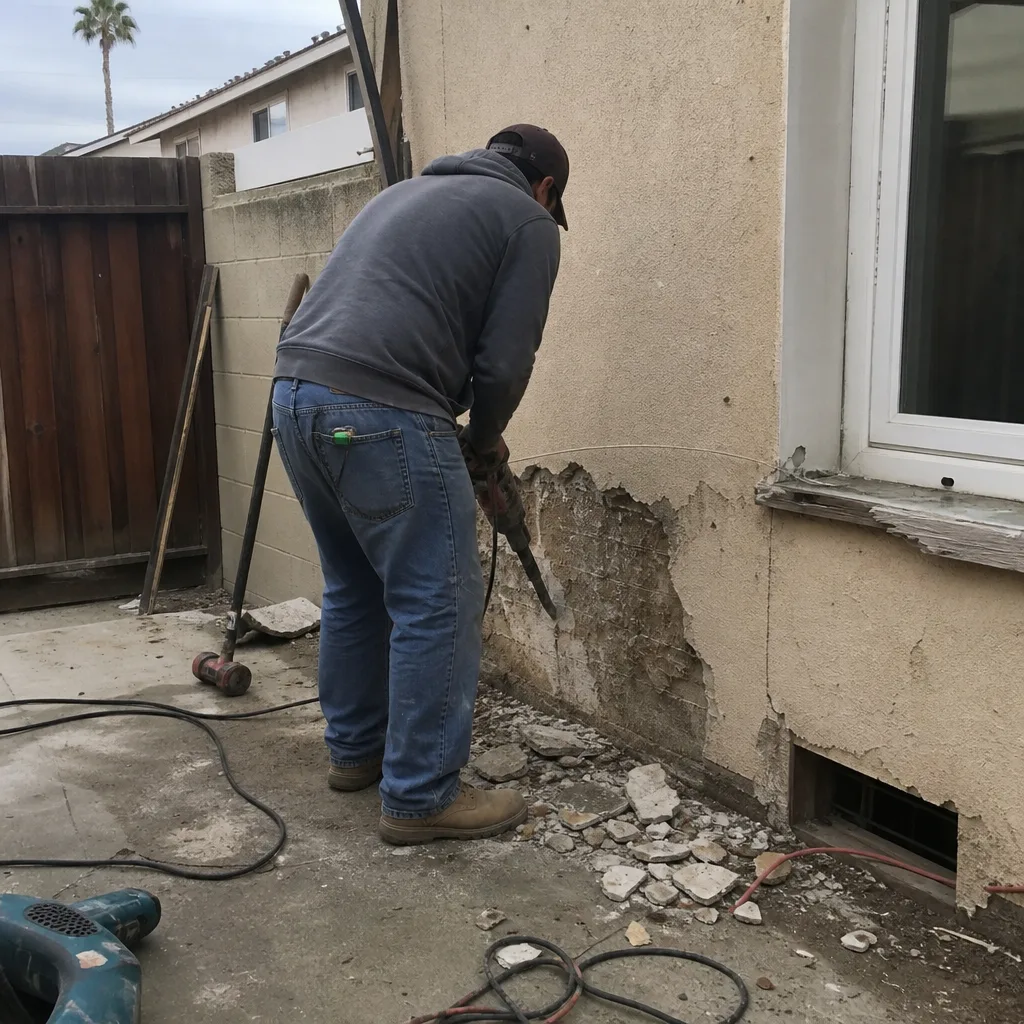 Before
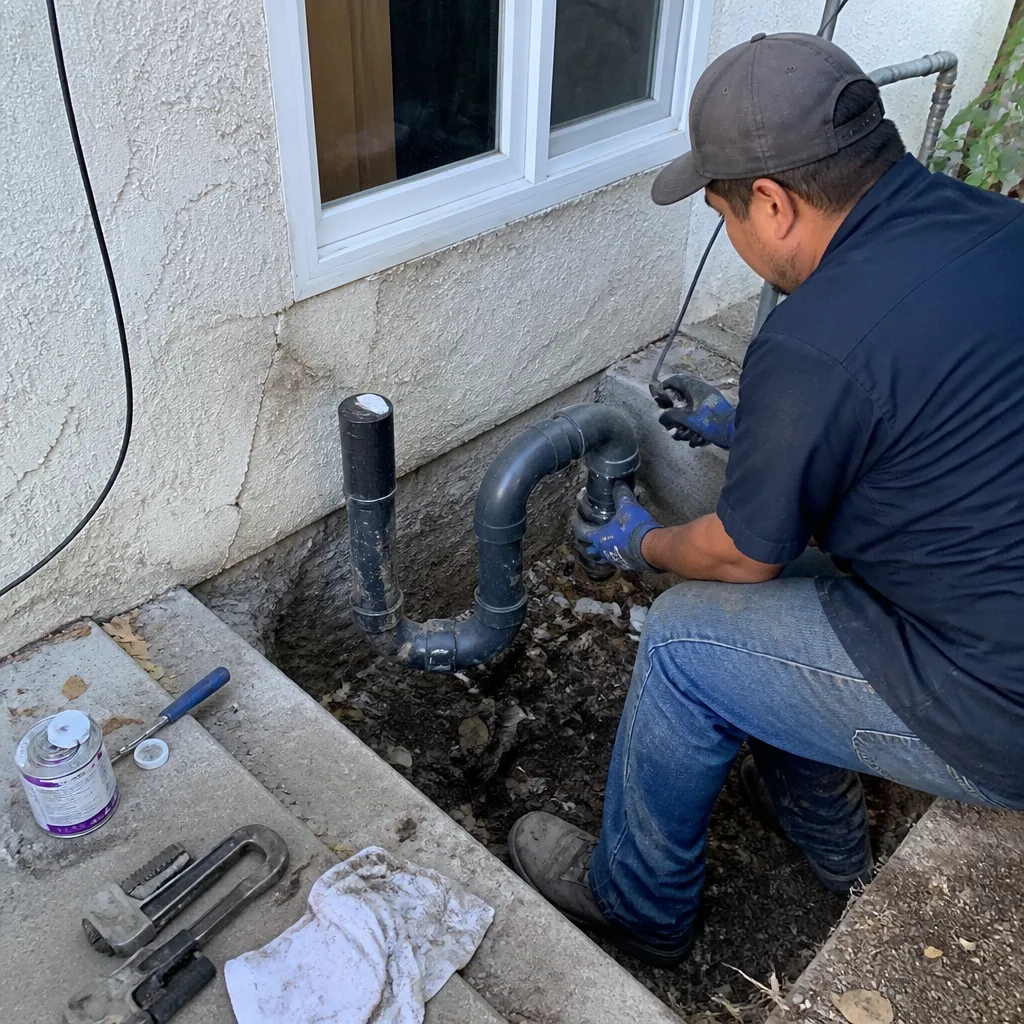 After
After Before
 After
AfterKitchen Remodeling Maintenance Checklist for Rancho Cucamonga Homeowners
Silicone caulk joints at the countertop-to-backsplash seam in low-humidity inland climates shrink and crack at roughly 18 months - half the rate manufacturers quote for coastal California. A failed joint is the single most common path from a finished kitchen remodeling project to a water-damage insurance claim. In Rancho Cucamonga, where relative humidity hovers near 35% for much of the year and Santa Ana winds drive fine dust through every gap, kitchen finishes degrade on a schedule that has nothing to do with the warranties printed in appliance manuals. This guide gives you a dated, trade-by-trade maintenance checklist keyed to actual product intervals, local climate stressors, and the documentation you’ll need when it’s time to sell.
Quick Answer
A proper kitchen remodel maintenance schedule for Rancho Cucamonga homeowners includes quarterly inspections of caulk and grout joints, semi-annual grease filter cleaning and cabinet hardware torque checks, annual under-sink supply line inspections, and bi-annual range hood duct cleaning. For seasonal construction care in Rancho Cucamonga, adjust timing to match local weather patterns. The Inland Empire’s low humidity and high UV exposure accelerate caulk failure and cabinet finish checking compared to coastal baselines, so inland homeowners should inspect sealant joints twice as often as manufacturer guidelines suggest. Keep your permit final card, appliance serial numbers, and paint formula codes in a single file - you’ll need them for warranty claims and resale disclosure.
Table of Contents
- Caulk, Grout, and Sealant Inspections in Low-Humidity Climates
- Cabinet Hardware and Soft-Close Hinge Maintenance
- Range Hood Grease Filters and Duct Maintenance
- Under-Sink Supply Line and Drain Inspection Protocol
- Countertop Surface Care by Material
- Appliance Maintenance and Serial Number Documentation
- The Post-Remodel Documentation File
- Rancho Cucamonga Seasonal Maintenance Schedule
 Before
 After
AfterCaulk, Grout, and Sealant Inspections in Low-Humidity Climates
Manufacturer data sheets for silicone sealants typically cite 24-to-36-month inspection intervals based on ASTM C920 testing conducted at 50% relative humidity. Rancho Cucamonga averages 35% RH in winter and dips below 25% during Santa Ana events. At these levels, acetoxy-cure silicones - the type most contractors use for kitchen seams - release acetic acid faster during cure and continue to volatilize plasticizers afterward, accelerating shrinkage.
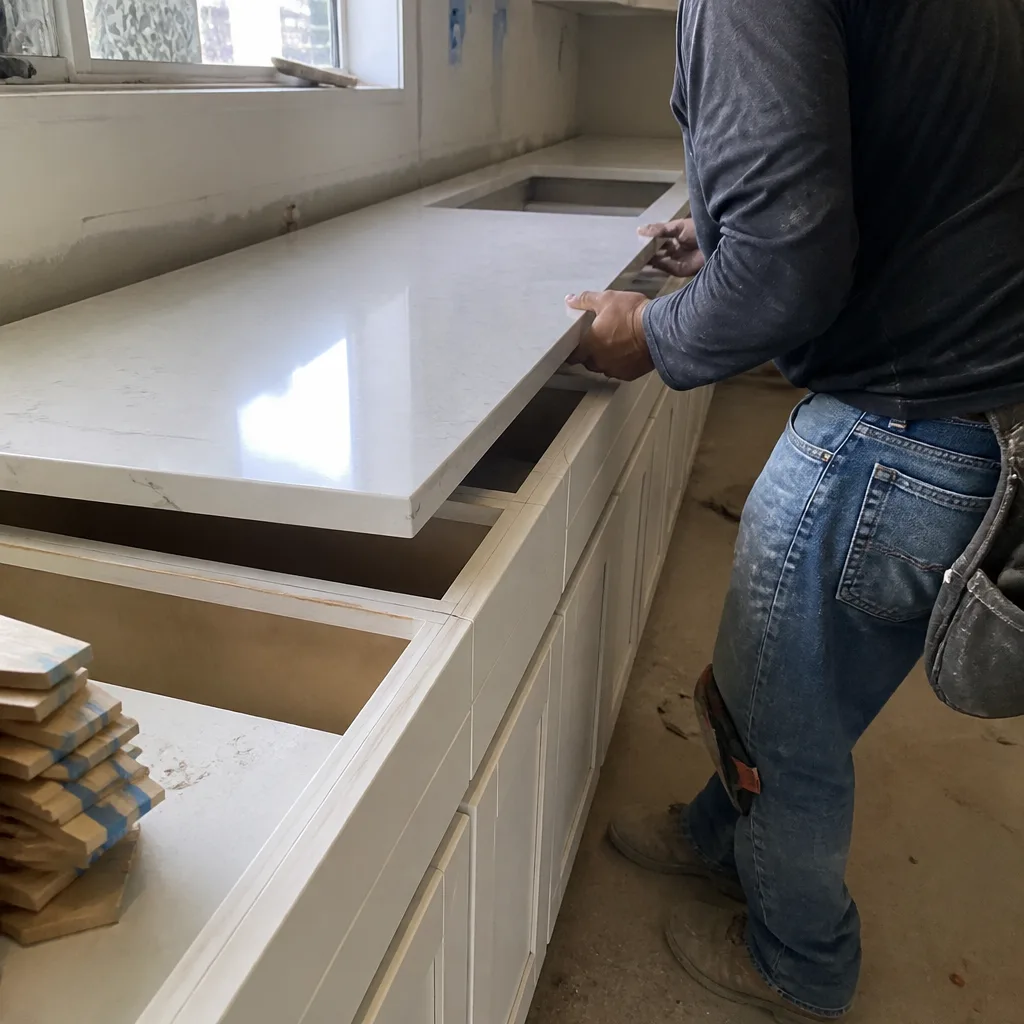
We inspect caulk joints at 12 months on every kitchen remodel we deliver in the Inland Empire. The pattern is consistent: joints at the cooktop backsplash (thermal cycling plus grease exposure) and the sink deck (standing water plus cleaning-chemical contact) show the first hairline separations. Joints at perimeter cabinetry, where UV through south and west windows hits directly, chalk and lose elasticity faster than shaded areas.
What to inspect quarterly:
- Run a fingernail or plastic scraper lightly along each caulk joint. If the surface powders or the joint separates from either substrate, it’s failing.
- Check grout lines between backsplash tile and countertop for efflorescence - white mineral deposits that indicate moisture migration behind the tile. In Rancho Cucamonga’s hard-water environment (typically 7-12 grains per gallon), efflorescence appears faster than in soft-water regions.
- Examine the sink-to-countertop seam from below, inside the cabinet. A failed upper joint often leaks slowly for months before visible damage appears.
Re-caulking protocol: Remove failed material with a plastic scraper, clean with denatured alcohol (not mineral spirits, which leave residue), and apply 100% silicone rated for kitchen/bath use. In our experience, neutral-cure silicones (GE Silicone II, Dow 795) outperform acetoxy-cure products in low-humidity installations because they don’t depend on atmospheric moisture to complete crosslinking. Apply in temperatures above 50°F; Rancho Cucamonga garage-kept materials often drop below this on winter mornings.
Grout in the backsplash should be sealed at installation and re-sealed every 18 months. We use penetrating sealers (not film-forming) on cementitious grout because they breathe - important when seasonal temperature swings cause substrate movement. In kitchen remodeling in Rancho Cucamonga, we specify epoxy grout for steam-prone areas behind gas cooktops; it never needs sealing but requires precise installation.
Cabinet Hardware and Soft-Close Hinge Maintenance
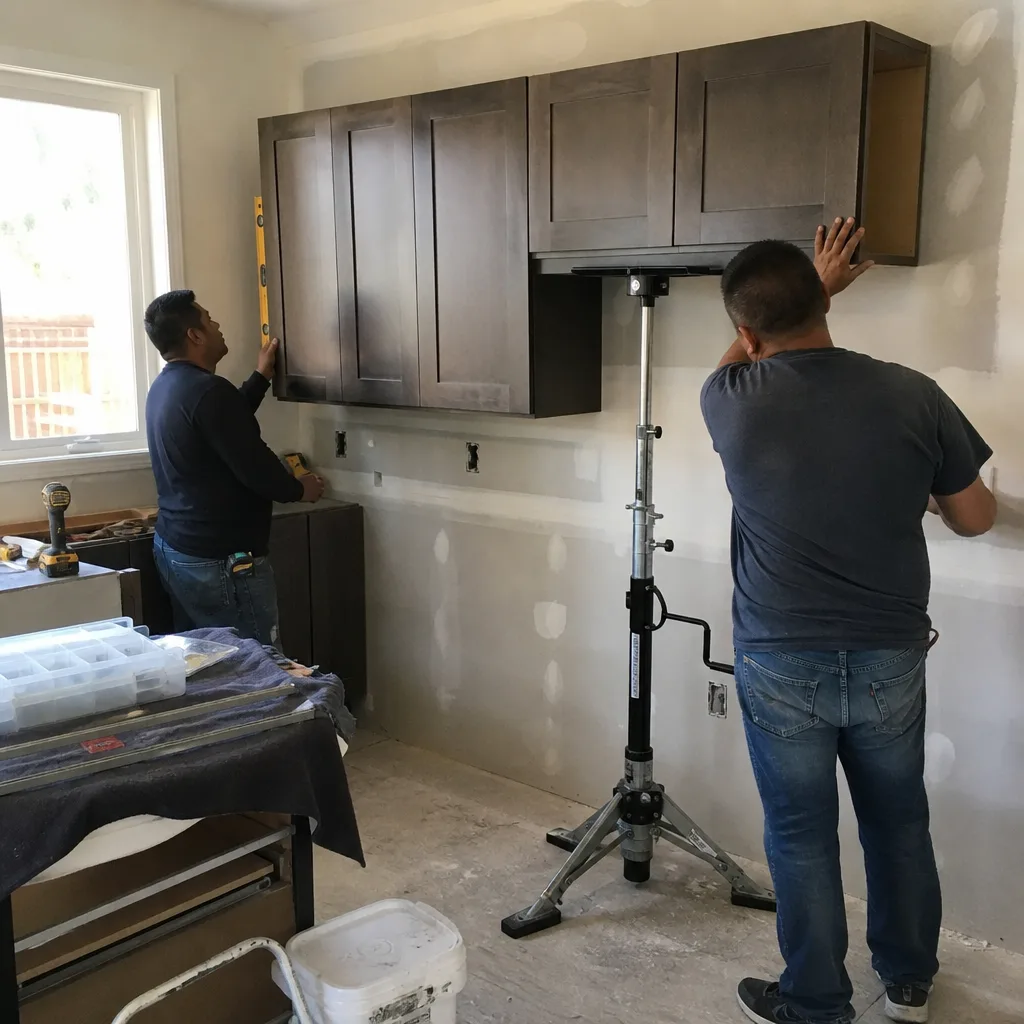
Soft-close hinges are wear items. Blum, Grass, and Hafele - the three brands we specify most often - each use different damping mechanisms that fail predictably after 50,000 to 80,000 cycles. A family of four opening a cabinet 15 times daily hits that range in 9 to 15 years, but hinge performance degrades gradually before outright failure.
Brand-specific maintenance:
- Blum Clip-top hinges: Use a Pozidriv #2 screwdriver (not Phillips - the taper differs and a Phillips will cam out) to adjust the cross-head adjustment screws. The depth screw (closest to the cabinet wall) controls door-to-frame gap; the side screw controls left-right position. Check torque annually; vibration from garbage disposals and dishwashers loosens these over time. Blum’s integrated soft-close damper is not field-replaceable on all models - if damping fades, the entire hinge cup must be swapped.
- Grass Nexis hinges: Require a 3mm hex key for side adjustment. The depth adjustment is tool-free - a serrated wheel - but can drift if the door is heavy (solid wood, glass insert). We check these at 6 months post-installation on heavy doors.
- Hafele Metalla hinges: Use a combination of slotted and hex adjustments. The soft-close cartridge is field-replaceable - a genuine advantage for long-term maintenance. Keep a spare cartridge with your documentation file.
Drawer glide lubrication depends on type. Undermount soft-close glides (Blum Tandem, Grass Dynapro) use nylon rollers that don’t require lubrication - adding oil attracts dust, which accelerates wear in Rancho Cucamonga’s dusty environment. Side-mount ball-bearing glides benefit from a thin film of white lithium grease every two years. Wipe the old grease off completely first; accumulated grit is what destroys the races.
Handle and knob screws loosen predictably. We install handles with thread-locking compound (medium-strength Loctite 242), but thermal cycling still works them free over 18-24 months. Check with a screwdriver quarterly; a loose handle stresses the finish substrate and causes the coating to chip at the screw boss.
Range Hood Grease Filters and Duct Maintenance
Grease filter maintenance is a fire-safety issue governed by NFPA 96, which residential hoods fall under only loosely - but insurance adjusters reference it after kitchen fires. The Rancho Cucamonga Fire Department’s prevention division recommends monthly filter cleaning for households that cook with oil more than four times weekly. Most homeowners we meet clean quarterly at best.
Filter cleaning by type:
- Aluminum mesh filters: Soak in hot water with degreasing dish detergent for 15 minutes, then scrub gently with a non-scratch pad. Do not run through a dishwasher - the alkaline detergent attacks the aluminum and the drying cycle bakes on residue. Replace when the mesh deforms or the frame corrodes; in Rancho Cucamonga’s low humidity, corrosion is slower than coastal areas but grease acidity still attacks the metal.
- Baffle filters: Used in higher-CFM professional-style hoods. These channel grease into a collection tray. Clean the baffles monthly in hot soapy water, and empty the tray weekly if you cook frequently. The tray is often overlooked; accumulated grease here is what ignites.
- Charcoal filters: Required for ductless recirculating hoods. These are not cleanable - replace every 6-12 months depending on cooking frequency. Mark the installation date with a permanent marker; the filter itself gives no visible indication of saturation.
Duct cleaning: For ducted hoods, the NFPA 96 commercial standard calls for annual inspection when grease accumulation exceeds 1/32 inch. Residential systems accumulate more slowly, but Rancho Cucamonga’s dust load adds a complicating factor - dust particles adhere to grease films, forming an insulating layer that reduces airflow and traps heat. We recommend bi-annual duct inspection for homes near the 210 freeway corridor or in the path of Santa Ana wind patterns (north-facing slopes of the San Gabriel foothills, including parts of Alta Loma and Etiwanda).
Check the exterior damper annually. Wind-driven dust jams lightweight flappers open or closed; a stuck-open damper backdrafts cold air in winter and admits dust year-round. The damper should open fully when the hood runs and seal when it stops. If it doesn’t, replace the spring or the entire assembly - they’re inexpensive and critical to performance.
Under-Sink Supply Line and Drain Inspection Protocol
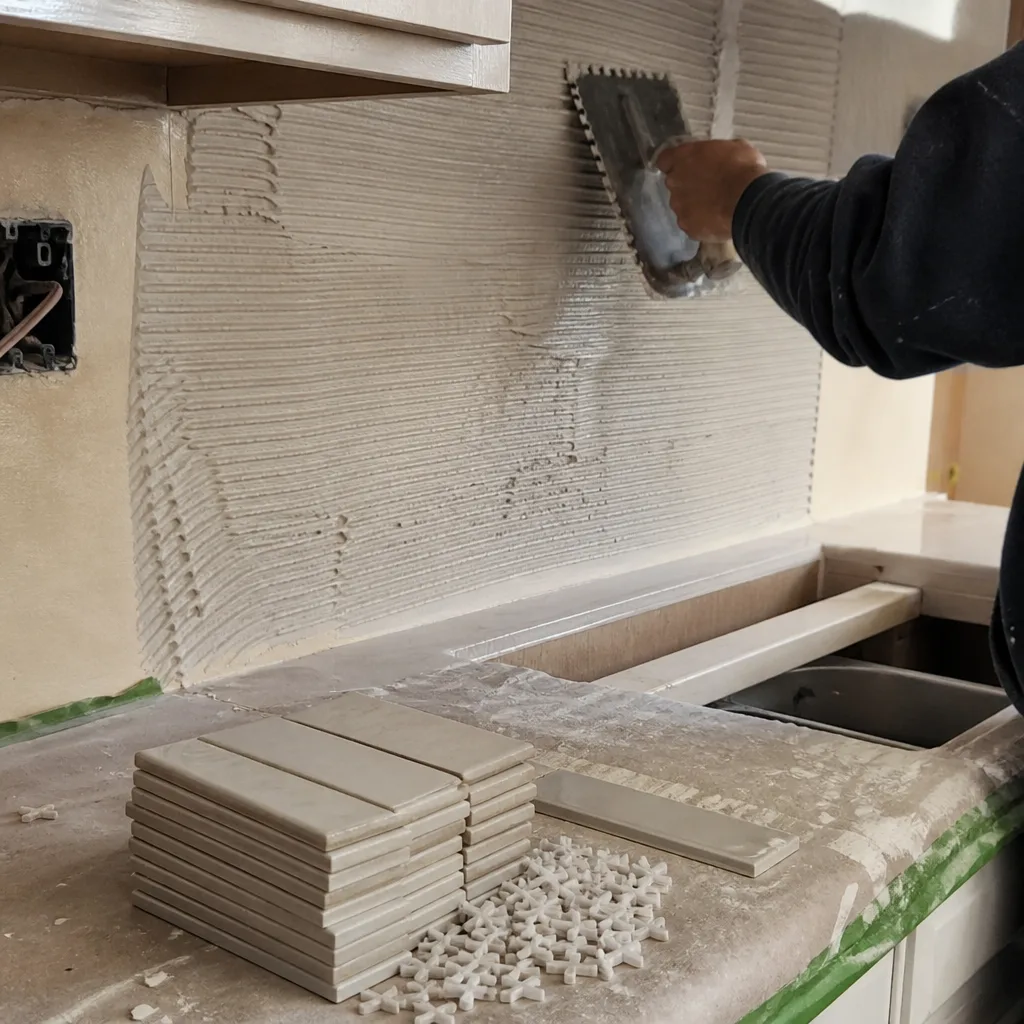
Under-sink leaks are the most expensive preventable failure in kitchen maintenance. The damage is hidden until cabinet base panels warp, mold colonizes, or water reaches the subfloor. In Rancho Cucamonga, where many homes sit on post-tensioned slabs, a slow leak can travel laterally 10 feet or more before surfacing, destroying flooring and cabinetry far from the source.
Supply line inspection at year three and annually thereafter:
- Brass compression fittings: Common on older homes and some high-end faucet installations. Brass work-hardens and stress-corrosion cracks appear at the ferrule after 5-7 years in hard water. At year three, inspect for greenish deposits (dezincification) or hairline cracks at the ferrule shoulder. Replace with a new ferrule and nut - never reuse the old ferrule, which has already compressed to a specific angle.
- Braided stainless steel flex lines: The standard for new installations. The stainless braid protects a rubber or polymer core. Inspect the braid for kinks, corrosion spots, or pulled threads. At the connection points, look for swelling of the rubber grommet - this indicates core degradation. Braided lines fail more often at the crimped fitting than in the hose body; flex the line gently and watch for moisture at the crimp.
- PEX with push-fit connectors: Increasingly common. Push-fit O-rings degrade with chlorine exposure; Rancho Cucamonga’s water supply, sourced from both local wells and imported Metropolitan Water District supplies, varies in chlorine content seasonally. Inspect for leakage at the collet (the release ring) - a weep here indicates O-ring failure. The fitting must be cut out and replaced; push-fit connectors are not repairable.
Drain assembly: Check the P-trap slip-joint nuts for cracking - ABS plastic nuts become brittle with age and thermal cycling from dishwasher discharge. The dishwasher drain hose connection to the garbage disposal or air gap is a common leak point; the barbed fitting can crack if the hose is kinked or under tension. We route these with a support loop to eliminate strain.
Document each inspection with a dated photo. If you file an insurance claim, the adjuster will ask when you last inspected. “I don’t remember” is not a favorable answer.
Countertop Surface Care by Material
Rancho Cucamonga’s UV exposure through large south-facing windows - common in open-plan kitchens - accelerates discoloration of some materials and has no effect on others. Maintenance protocols differ significantly.
Quartz (engineered stone, e.g., Cambria, Caesarstone, Silestone):
Quartz is non-porous and doesn’t require sealing, but the polymer resin binder is UV-sensitive. Prolonged direct sunlight causes yellowing, particularly on white and light-gray colors. In homes with unshaded south or west exposure, we recommend UV-filtering window film within 18 months of installation. Clean with pH-neutral cleaner only; alkaline cleaners (Windex, Simple Green) attack the resin. For dried residue, a plastic scraper at a low angle - never a razor blade, which scratches the resin surface.
Granite and other natural stone:
Seal annually with a penetrating fluoropolymer sealer. Test by sprinkling water on the surface - if it darkens the stone in under 10 minutes, re-seal immediately. In Rancho Cucamonga’s low humidity, water-based sealers evaporate too fast during application; we use solvent-carried products (adequately ventilated) for better penetration. Acidic cleaners (vinegar, lemon, some “natural” cleaners) etch calcite-bearing stones like marble and limestone instantly; they degrade granite sealers over time.
Solid surface (Corian, LG Hi-Macs):
Sandable and renewable - a genuine advantage. Minor scratches buff out with a Scotch-Brite pad and fine abrasive cleaner. Deeper damage requires orbital sanding with progression from 120 to 400 grit, then a polishing compound. We leave a small remnant piece with the homeowner for color-matched repairs; solid surface colors can vary slightly between production lots.
Butcher block:
Oil monthly with food-grade mineral oil, not vegetable oil which rancidifies. In low humidity, the wood checks (develops surface cracks) faster than in humid climates. Sand out checks before they deepen; once a check reaches 1/8 inch, bacteria colonize and the surface is no longer food-safe. We specify hard maple or walnut for Rancho Cucamonga kitchens; softer woods like pine dent too easily.
Appliance Maintenance and Serial Number Documentation
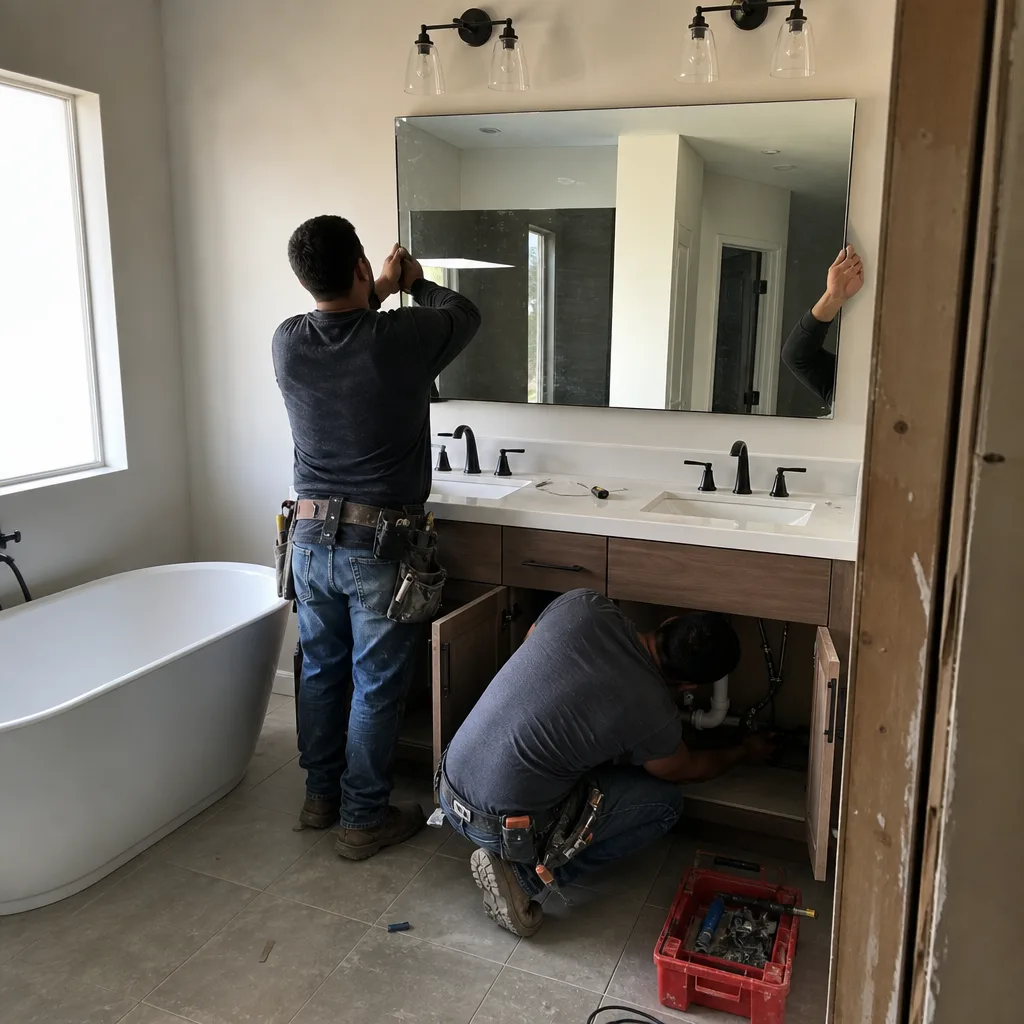
Appliance warranties require proof of purchase and often require registration within 30 days of installation. The serial number plate, not the model number sticker, is what the manufacturer uses to determine production date and warranty status. Photograph every serial number plate before the appliance is slid into position - they’re inaccessible afterward on built-in units.
Refrigerator: Clean condenser coils every 6 months. In Rancho Cucamonga, dust accumulation is 2-3x faster than in coastal areas; the coils act as an electrostatic filter. Sub-Zero and other built-in brands have front-venting coils that are easier to access; standard top-freezer units require rolling the unit out. A coil brush and vacuum with soft brush attachment are the right tools. Check door gasket seal by closing a dollar bill in the door - it should resist pulling at all points.
Dishwasher: Clean the filter screen monthly (most homeowners never do this). Rancho Cucamonga’s hard water deposits scale on the heating element and spray arms; run a citric-acid cleaner (Lemi Shine, or straight citric acid powder) through an empty cycle every 3 months. Check the door gasket for nicks; a damaged gasket leaks slowly, warping the toe-kick and subfloor before it’s detected.
Gas cooktop/range: The orifice ports are sized for the gas type (natural gas or propane) and elevation. Rancho Cucamonga sits at approximately 1,200 feet; orifice sizing differs from sea-level specifications. If you convert from natural gas to propane (common in rural areas of the Inland Empire), a qualified technician must change orifices and adjust the air shutter - this is not a homeowner procedure. Clean burner caps and grates with non-caustic degreaser; caustic products etch the porcelain or cast iron finish.
Garbage disposal: Grind ice cubes monthly to scour the chamber; the shards knock off accumulated grease. Never pour fat down the disposal - it coats the chamber and the drain line, causing odors and eventual clogging. In Rancho Cucamonga’s warm months, bacterial growth in a grease-coated disposal produces odors faster; a handful of baking soda and citrus peels ground with water helps.
The Post-Remodel Documentation File
The documentation you retain after a kitchen remodel has direct financial value at resale and indirect value for every warranty claim, insurance dispute, and future renovation. See our complete guide to construction in Rancho Cucamonga for additional documentation requirements. California Civil Code Section 1102 requires disclosure of material facts affecting value; a kitchen remodel without permits is a material fact that can void a sale or trigger post-sale liability.
Required documents:
- Permit final card: The city’s signed approval that work was inspected and passed. In Rancho Cucamonga, the Building and Safety Division issues this after final inspection. Without it, the work is technically incomplete and uninsurable for some carriers. Keep the original; copies are acceptable for disclosure but the original has evidentiary weight in disputes.
- Appliance serial numbers and purchase receipts: Warranty periods run from purchase date, not installation date. Serial numbers identify production lots subject to recalls. We photograph every plate and staple the printout to the receipt.
- Paint formula codes: Not the color name - the formula. Paint retailers can match from a chip, but the formula ensures exact reproduction across batches. This matters for touch-ups and for buyers who want to continue the palette. We specify Benjamin Moore or Sherwin-Williams in most Rancho Cucamonga kitchens; both retain formulas indefinitely in their systems if you provide the customer number.
- Product data sheets and care instructions: For countertops, cabinets, flooring, and tile. These specify approved cleaners and voided-warranty conditions. We compile these into a single binder before final walkthrough.
- As-built electrical and plumbing diagrams: If walls were opened, the locations of new circuits, shutoff valves, and drain lines differ from original plans. Future contractors need this to avoid drilling into a water line or cutting a live circuit.
- Signed change orders and final invoice: Establishes the scope of work performed and the price paid. In disputes over whether a condition is new or pre-existing, this record is definitive.
At Rowan Construction Group, the documented photo record we deliver with every project includes timestamped images of concealed conditions - framing, insulation, rough plumbing, electrical - that no future inspection can access. This record has resolved insurance claims and warranty disputes for our clients across 4,000-plus projects since 2007.
Rancho Cucamonga Seasonal Maintenance Schedule
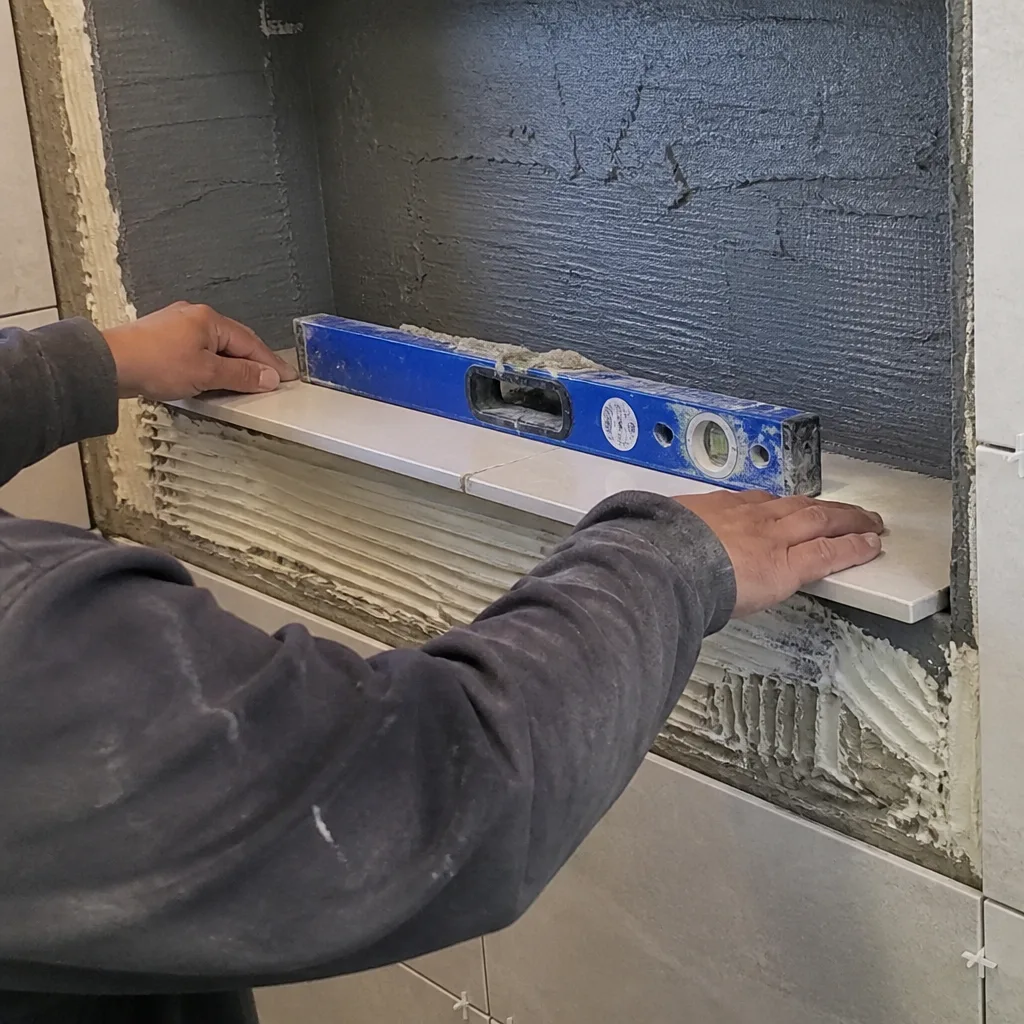
The Inland Empire’s climate pattern - wet winters, dry springs with wind, intense dry summers, mild dry falls - creates specific seasonal stresses on kitchen systems.
January-March (Winter, occasional rain):
- Inspect all caulk and grout joints after the first winter rain sequence. Thermal contraction from cold nights opens joints that summer heat had sealed.
- Check under-sink areas for condensation from cold-water lines; insulate if sweating occurs.
- Run garbage disposal with citrus to address reduced winter ventilation (windows closed).
April-June (Spring, Santa Ana winds):
- Deep-clean range hood and filter before summer cooking season begins.
- Inspect exterior damper for dust accumulation; vacuum if needed.
- Check cabinet hardware torque; thermal expansion from warming weather works screws loose.
July-September (Summer, peak UV and heat):
- Inspect quartz and solid-surface countertops near south/west windows for discoloration.
- Run dishwasher empty with citric acid cleaner; hard water scale peaks with increased evaporation.
- Verify refrigerator condenser coils are clean; compressor runs longest in summer.
October-December (Fall, dry transition):
- Re-seal grout if annual inspection indicates need; low humidity means faster cure but requires misting during first 48 hours.
- Inspect and re-caulk any joints that failed during summer expansion cycle.
- Update documentation file with any new appliance registrations or service records.
Common Mistakes to Avoid
- Using vinegar on natural stone or quartz: The acidity etches calcite-bearing stone immediately and degrades quartz resin binders over time. We see this damage most often in Rancho Cucamonga homes where “natural cleaning” trends have spread from coastal California - the chemistry doesn’t change with geography.
- Ignoring the permit final card: Unpermitted work must be disclosed at sale; failure to disclose is actionable fraud. The permit card is your proof of compliance. We’ve been called to legal proceedings where the absence of this document cost the seller tens of thousands in concessions.
- Reusing supply line ferrules: A brass ferrule compresses to a specific angle against the fitting body once. Reuse guarantees a leak. The part costs under a dollar; the water damage costs thousands.
- Cleaning aluminum filters in the dishwasher: The alkaline detergent and high heat oxidize the aluminum mesh, creating rough surfaces that trap grease more aggressively and restrict airflow. Hand-wash only.
- Neglecting the documented photo record: Homeowners who receive our photo record often file it without review. When a warranty issue arises three years later, the images of concealed conditions - properly labeled and dated - resolve disputes in minutes rather than months.
- Assuming manufacturer intervals apply inland: Caulk, paint, and wood-finish maintenance intervals published for “California” typically assume Bay Area or Los Angeles Basin conditions. Rancho Cucamonga’s lower humidity and higher UV require more frequent inspection, not less.
When to Call a Professional
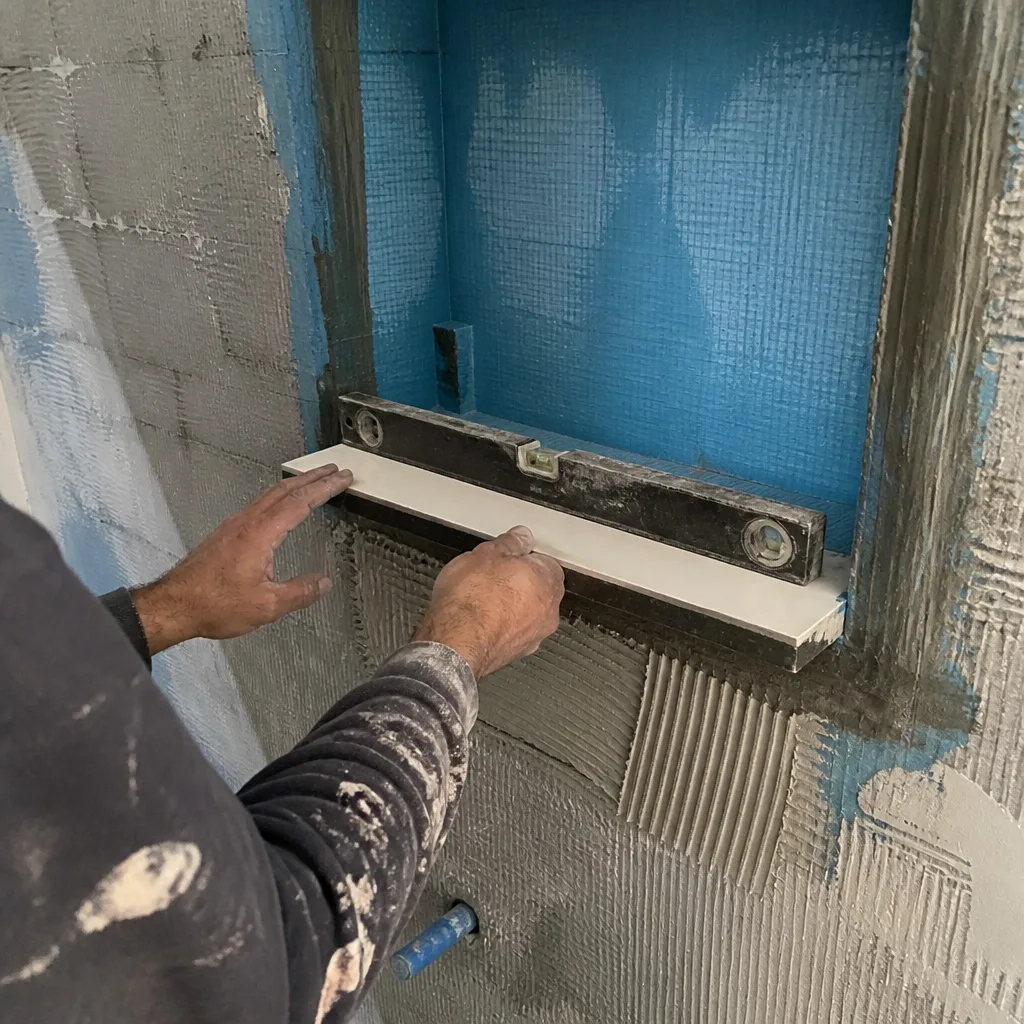
Some maintenance tasks cross into work that requires licensing or specialized tools. Re-caulking a simple joint is within most homeowners’ ability; diagnosing a leak behind a tiled backsplash requires thermal imaging and moisture meters that aren’t cost-effective for one-time use. If you find efflorescence in grout lines, soft spots in cabinet bases, or any gas odor near the cooktop, stop and call a licensed contractor or the gas utility. For kitchen systems that need evaluation beyond routine maintenance, Rowan Construction Group Rancho Cucamonga offers free estimates in Rancho Cucamonga - call (909) 373-9612. Under Clause 1 of the Haven Standard, you’ll receive a written price before any work starts, and every visit includes a documented photo record as standard.
Frequently Asked Questions
In Rancho Cucamonga’s 35% average relative humidity, inspect silicone caulk joints every 6 months and expect to re-caulk high-stress areas (sink, cooktop backsplash) every 18-24 months. Coastal California baselines of 24-36 months don’t apply inland. Call (909) 373-9612 for an exact quote - estimates are free.
Blum Clip-top hinges use Pozidriv #2 screws for depth and side adjustment; Grass Nexis uses a 3mm hex key for side adjustment and a tool-free serrated wheel for depth. The soft-close cartridge on Hafele Metalla hinges is field-replaceable, while Blum’s integrated damper requires full hinge replacement on many models. Check your documentation file for the specific brand installed in your kitchen.
Only if you cook with oil more than four times weekly - the NFPA 96 threshold for increased fire risk. For lighter use, quarterly cleaning is adequate, but never exceed 6 months. In Rancho Cucamonga, where dust adheres to grease films, filters restrict airflow faster than in cleaner air baselines. A restricted hood can’t evacuate combustion byproducts from gas cooktops, creating a measurable indoor air quality issue.
At year three, inspect brass fittings for greenish dezincification or hairline cracks at the ferrule; replace braided stainless lines if the rubber grommet swells at the crimp or the braid shows corrosion spots. PEX push-fit connectors should show no moisture at the collet release ring. Any of these conditions indicates replacement is needed - not repair. Call (909) 373-9612 for an exact quote - estimates are free.
The permit final card, appliance serial numbers with purchase dates, and paint formula codes are the three most requested items in Rancho Cucamonga resale transactions. California Civil Code Section 1102 requires disclosure of unpermitted work; the permit card is your defense. Buyers’ inspectors routinely verify that appliances are operational and properly installed; serial numbers confirm age and recall status. Paint formulas let buyers match for touch-ups without destructive sampling.
Yes. Our Free Second Opinion on Any Written Estimate applies to kitchen remodeling and all seven trades we offer. Bring a competitor’s line-item quote and we’ll review it against current material costs, code requirements, and scope completeness at no charge. The review is documented; you leave with written notes, not a sales pitch. Call (909) 373-9612 to schedule.
The Bottom Line
A kitchen remodel in Rancho Cucamonga requires maintenance on a schedule the climate dictates, not the manufacturer suggests. Inspect caulk and grout quarterly, clean grease filters before summer cooking season, torque-check cabinet hardware annually, and examine under-sink supply lines at year three. Retain your permit final card, appliance serial numbers, and paint formulas in a single file - they’re financial instruments at resale, not clutter. The 365-Day Done Right Promise and documented photo record on every visit are standing commitments at Rowan Construction Group; they’ve kept projects within a few percent of the agreed price across 4,000-plus jobs since 2007. Browse our more guides & resources for additional homeowner tips. For maintenance that exceeds your tools or comfort, or for a free second opinion on any written estimate, call (909) 373-9612.
Written by Grant Rowan, Owner at Rowan Construction Group Rancho Cucamonga, serving Rancho Cucamonga since 2007.