
Last updated September 24, 2026
Free written scope consultation - allowances, timeline, and change-order rules on paper before a single trade is scheduled

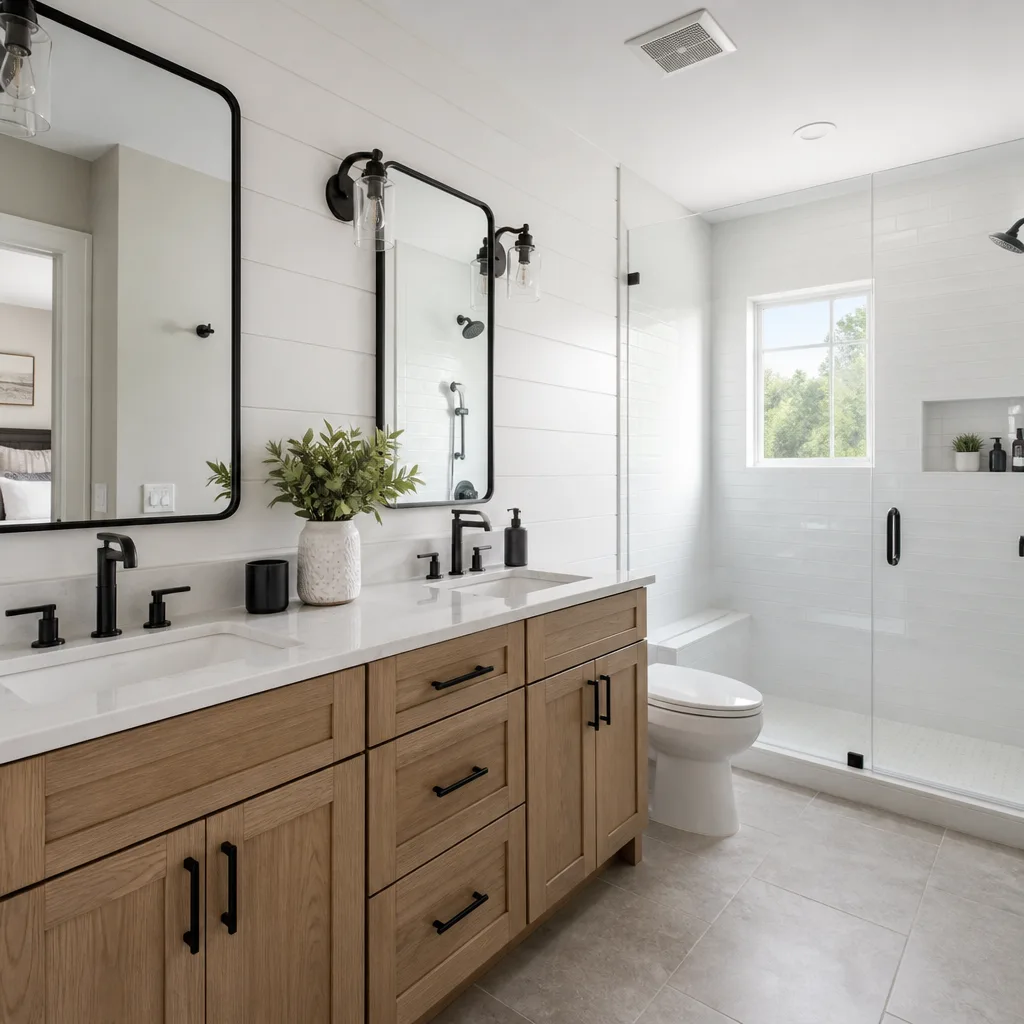





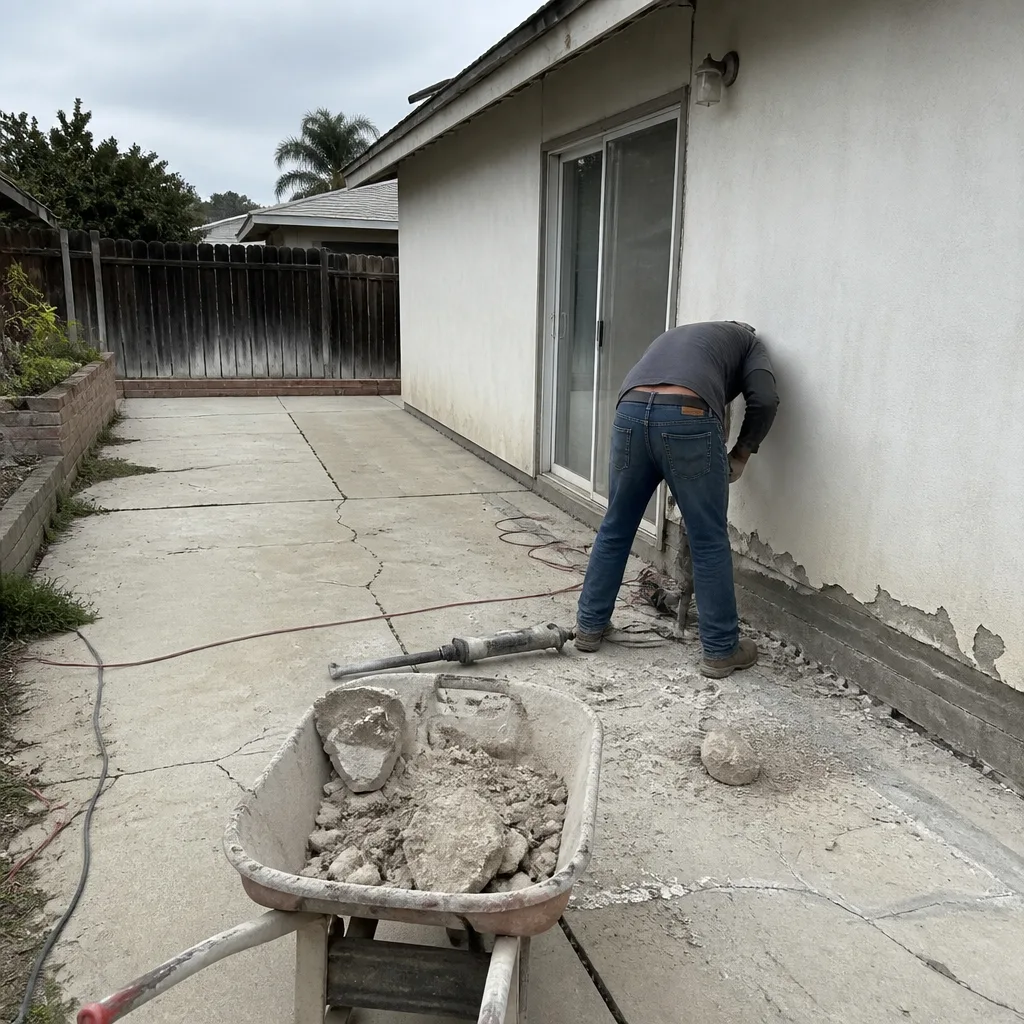 Before
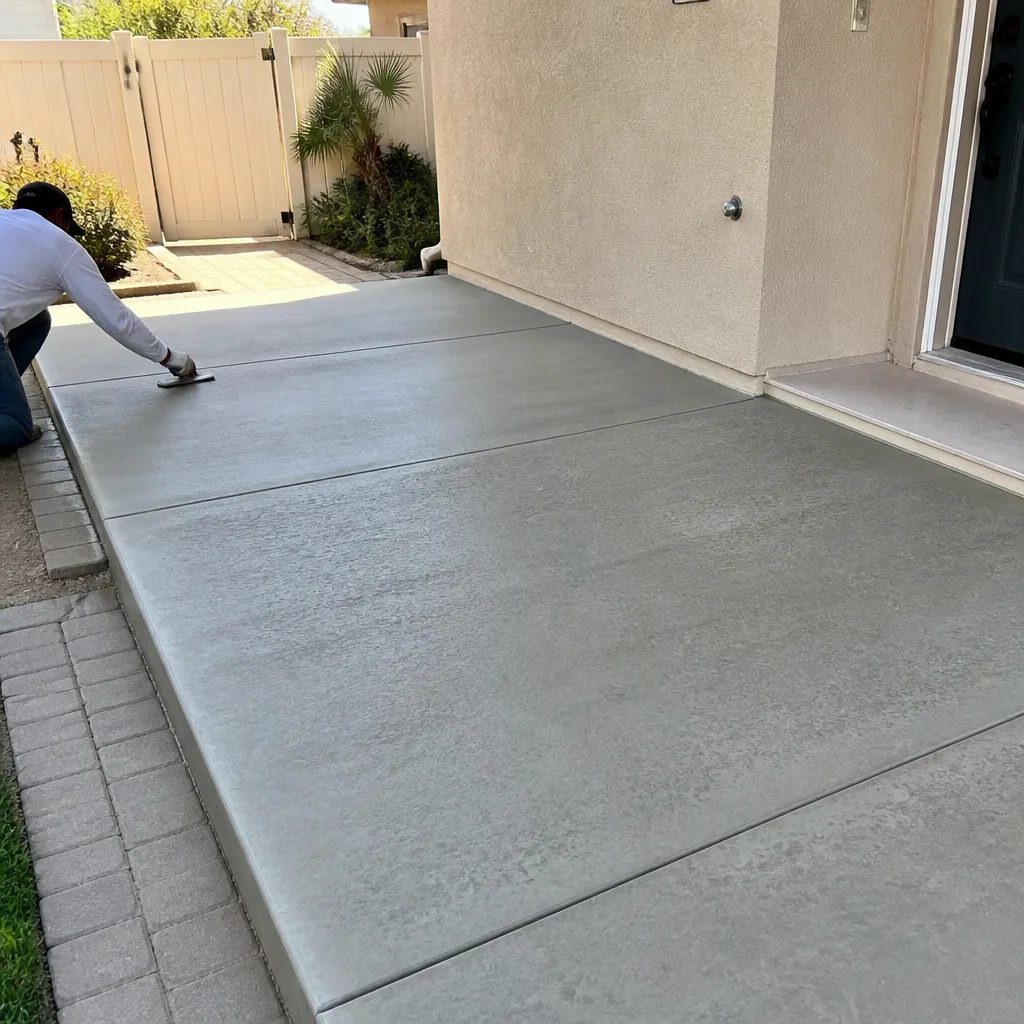 After
After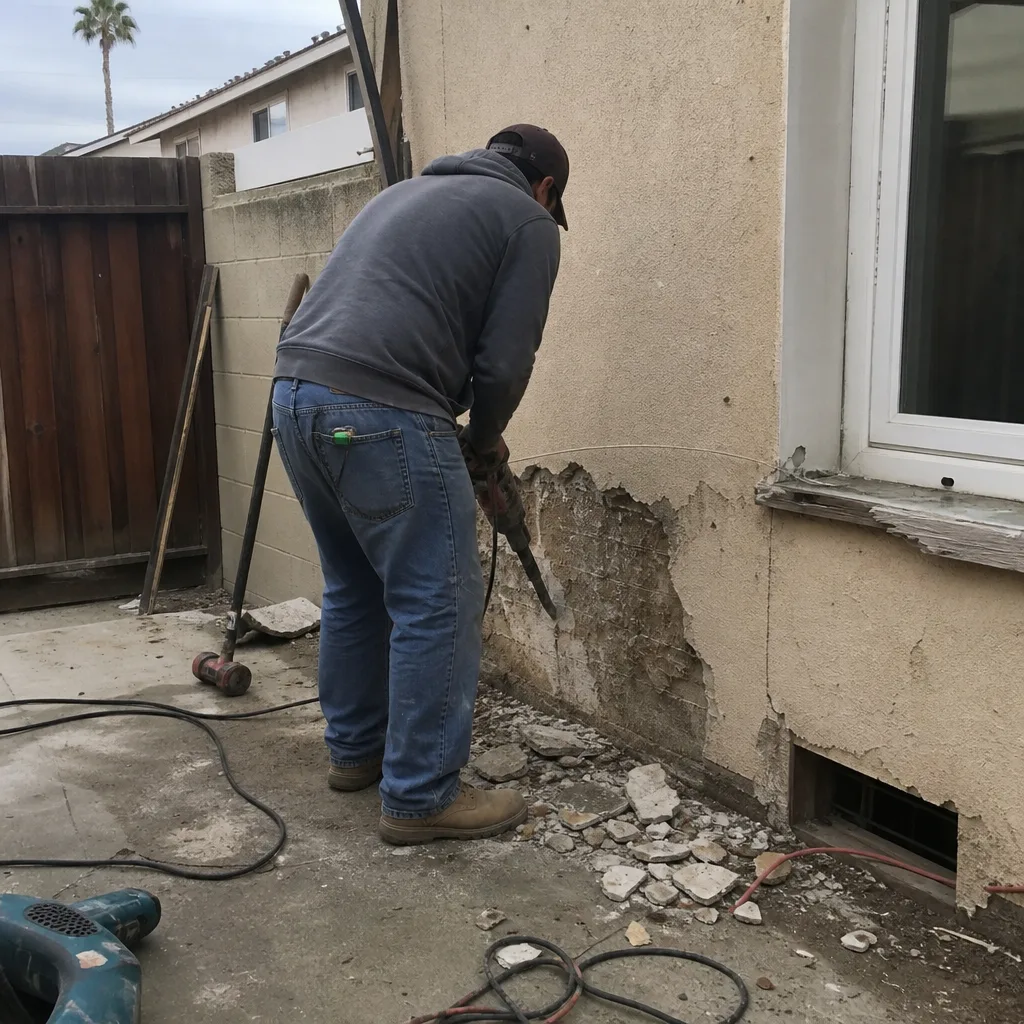 Before
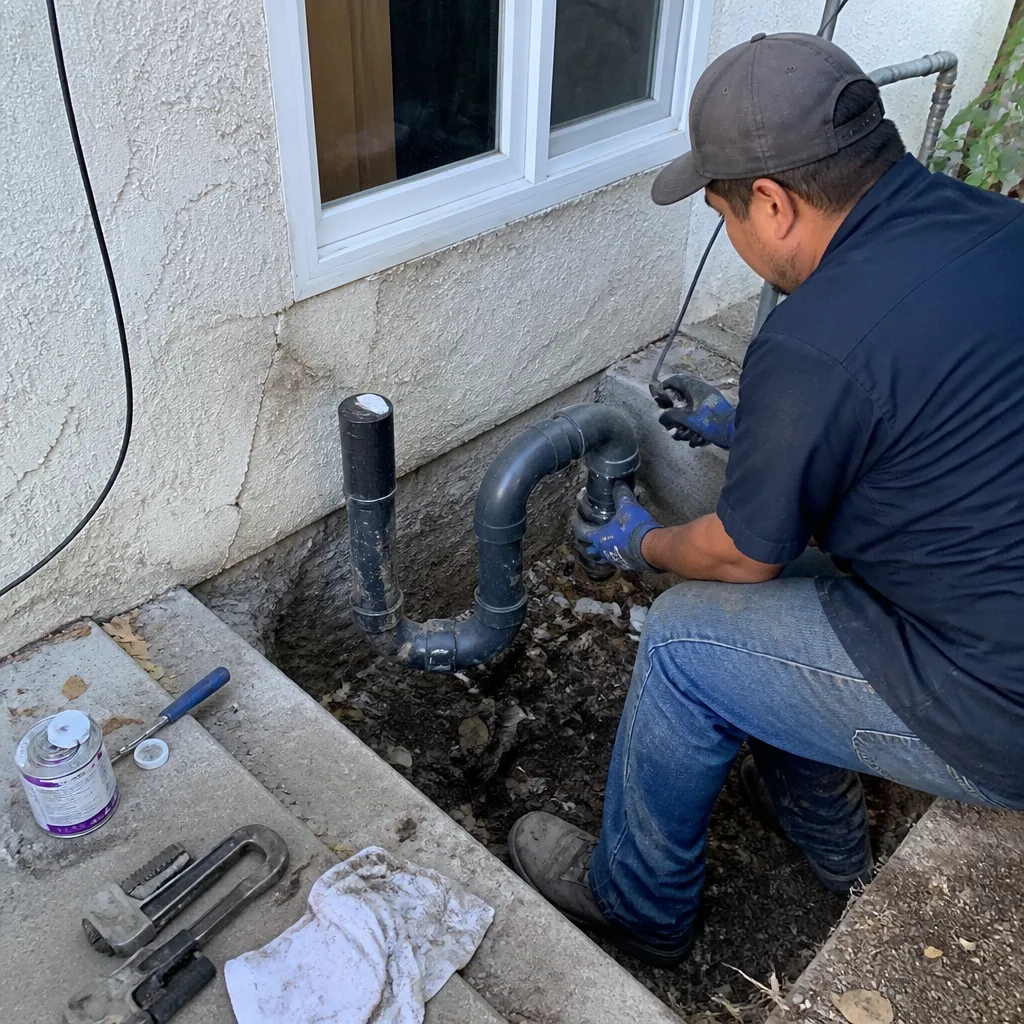 After
After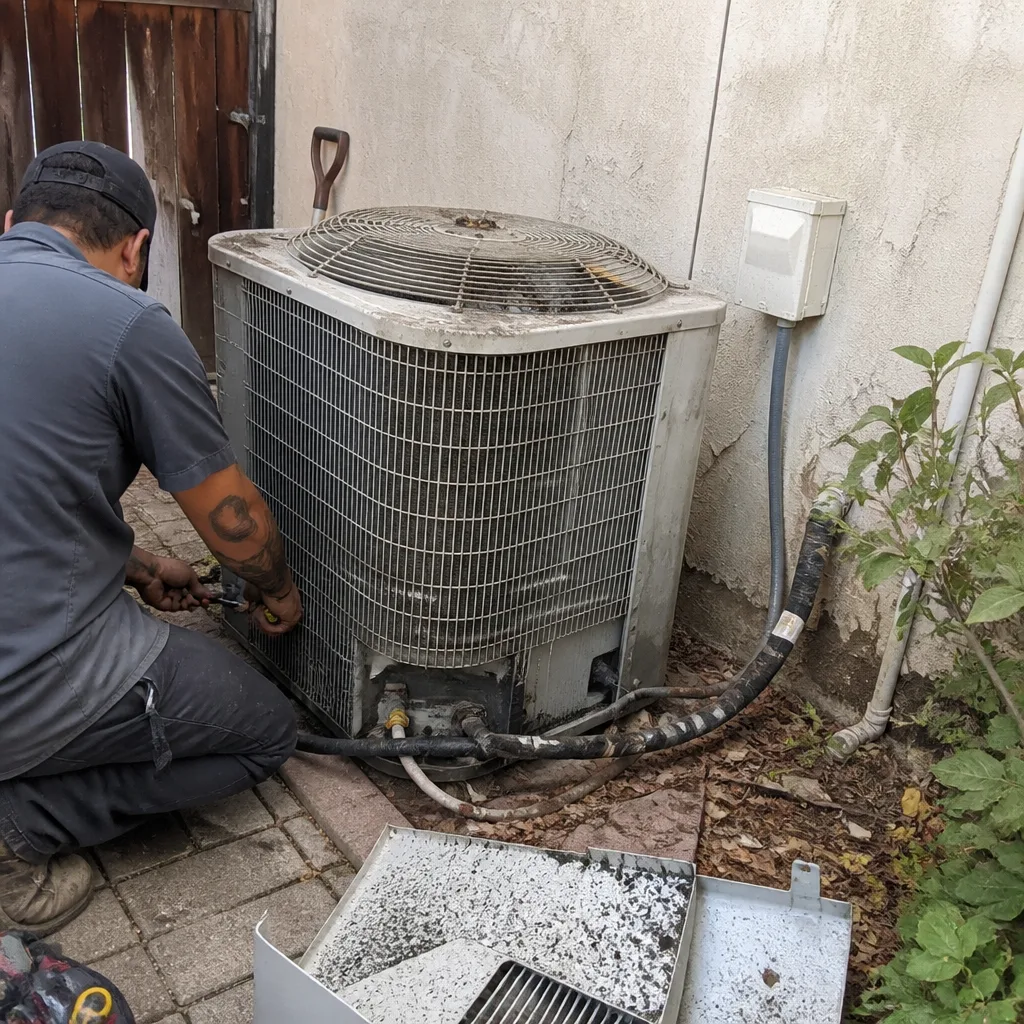 Before
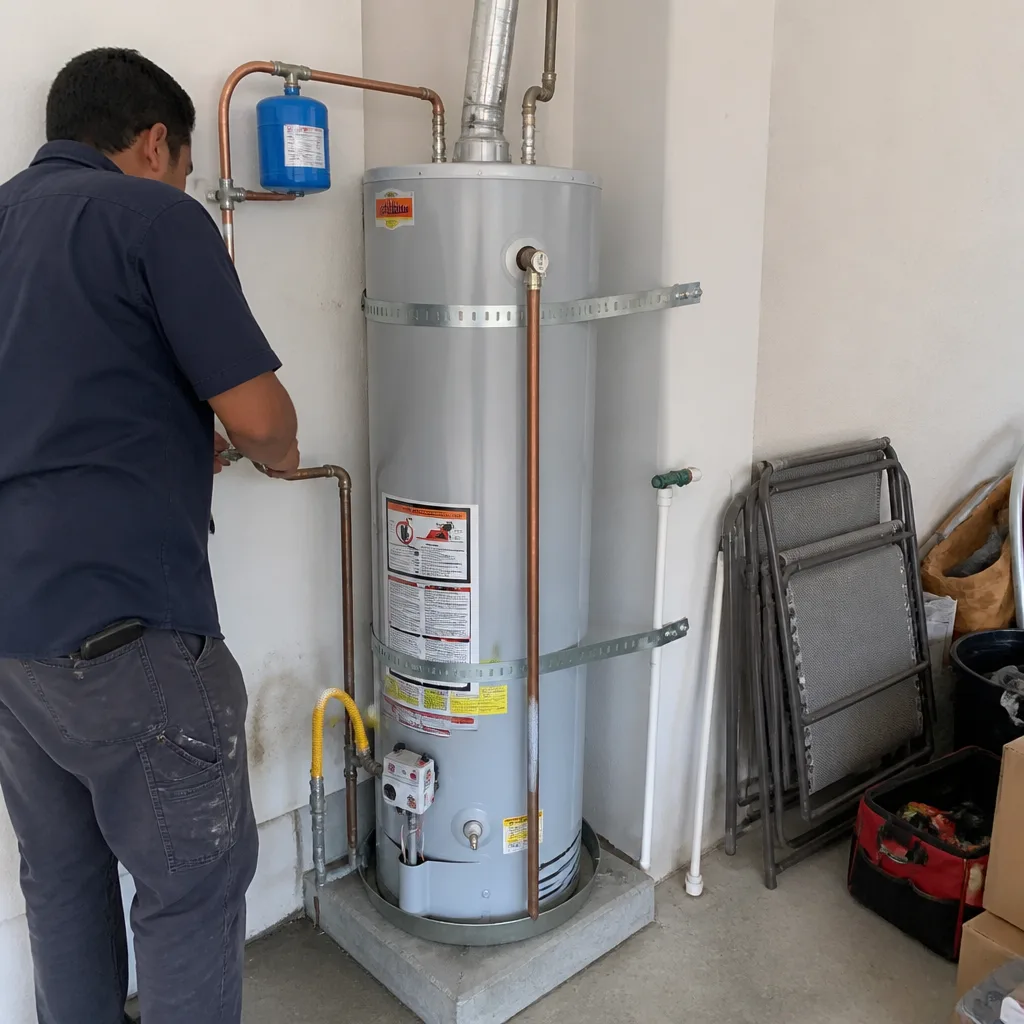 After
AfterSeasonal Construction Care for Rancho Cucamonga: Year-Round Homeowner’s Guide
Rancho Cucamonga receives an average of 16 inches of rain per year, almost all of it compressed into a 10-week window between December and March. A single failed roof penetration seal here does the damage in one season that a coastal home’s leak would spread across twelve months. The maintenance model written for four-season climates doesn’t fit the Inland Empire. The relevant seasons for Rancho Cucamonga homeowners are the Santa Ana wind period (October through February), peak UV months (June through August), and that brief, violent rain window. This guide-along with our Complete Guide to Construction in Rancho Cucamonga-rebuilds the homeowner maintenance calendar around those three local seasons, with specific tasks, cost benchmarks, and the inspection intervals that protect a construction investment in this particular climate.
Quick Answer
Seasonal construction care in Rancho Cucamonga means three distinct maintenance windows: pre-Santa Ana inspection in September (caulk, vents, combustion clearances), winter rain prep in November (foundation vents, grading, door and window binding checks), and summer UV protocols in May (elastomeric coatings, stucco inspection, composite decking review). Skip the quarterly calendar. The local climate compresses damage into concentrated periods, so timing matters more than frequency.
Table of Contents
- Pre-Santa Ana Window: September Checklist
- Winter Rain Prep: November Tasks for Clay Soil and Compressed Precipitation
- Summer UV and Heat Protocols: May Preparation
- Post-Wind-Season Inspection: March Assessment
- HVAC Filter and Ductwork: Inland Empire Particulate Schedule
- Rancho Cucamonga Maintenance Cost Benchmarks
- What Documentation to Keep: The Haven Standard Record
 Before
 After
AfterPre-Santa Ana Window: September Checklist
The Santa Ana winds arrive in Rancho Cucamonga between October and February, with peak velocities regularly exceeding 50 mph in the foothill zones near North Etiwanda Preserve and the Day Creek corridor. These are dry, compressive winds that test every exterior seal and fastener on a home. We’ve seen stucco lath fasteners back out in clusters after a single three-day event, and roof tile displacement that exposes underlayment for months before the rains arrive.
The September inspection is the critical window. Here’s the sequence we use on our own project closeouts in Rancho Cucamonga:
- Exterior caulk inspection at all penetrations. Check hose bibs, electrical conduit entries, gas line penetrations, and dryer vents. The caulk bead should be continuous, with no shrinkage gaps wider than 1/16 inch. In Rancho Cucamonga’s low-humidity environment, acrylic latex caulk degrades faster than in coastal climates; we specify OSI Quad or equivalent elastomeric sealant on our projects, with a 10-year rated service life that typically delivers 6-8 years in local conditions. Cost to recaulk a typical single-family home: $180-$340.
- Attic vent screen integrity. The Santa Anas drive embers and particulate into unscreened vents. Verify 1/4-inch mesh is intact at all eave, ridge, and gable vents. In fire-safety zones near the foothills, some Rancho Cucamonga homes require 1/8-inch mesh under local amendment to the California Building Code. Check your property’s fire hazard severity zone at Rowan Construction Group Rancho Cucamonga home if you’re uncertain; we pull this data for every project.
- Combustion clearance around HVAC equipment. California Mechanical Code requires specific clearances from combustibles for furnaces and water heaters, but the Santa Ana season adds a practical requirement: remove accumulated leaves and debris from equipment pads and enclosures. In Rancho Cucamonga’s mature neighborhoods like Victoria Arbors and the older sections of Alta Loma, we’ve found equipment enclosures packed with dried material that becomes both a fire hazard and an airflow restriction. The code clearance is the minimum; the safe clearance is what you can verify visually.
- Roof penetration seal inspection. Pipe boots, chimney flashing, and skylight curbs are the failure points. The Santa Anas flex these assemblies before the rains test them. A cracked pipe boot in September becomes a ceiling stain in January. Replacement cost: $85-$150 per boot if caught early; $2,000-$4,500 for interior repair after water intrusion.
The September window is also when we schedule our Roofing in Rancho Cucamonga maintenance calls, before demand compresses in October when the first wind event triggers emergency calls.
Winter Rain Prep: November Tasks for Clay Soil and Compressed Precipitation
Rancho Cucamonga sits on Inland Empire clay soils with high expansion potential. The California Geological Survey maps much of the city as having moderate to high shrink-swell characteristics. When those 16 annual inches arrive in 10 weeks, the soil hydration is rapid and uneven, creating differential pressure on foundations and hardscape that slow, steady rain would never produce.
November tasks focus on water management and the structural elements that clay soil movement affects:
- Foundation vent inspection. Crawl space vents should open and close freely. In winter, they should be closed to reduce moisture intrusion, but the mechanism must work. We’ve replaced vent screens in Rancho Cucamonga homes where the soil expansion had warped the frame, jamming the slider. A stuck-open vent in January admits water; a stuck-closed vent in June traps humidity. Cost to replace a standard foundation vent: $45-$85; cost to remediate mold in a damp crawl space: $3,000-$7,500.
- Grading slope confirmation. The IRC requires 6 inches of fall in the first 10 feet from the foundation. In Rancho Cucamonga, where winter rain arrives fast and hard, this minimum matters more than in drip climates. Walk the perimeter with a level. Look for soil settlement that has reversed slope toward the foundation, particularly in homes built during the 2003-2007 construction boom where compaction was sometimes rushed. Regrading a settled perimeter: $800-$1,400 for a typical Rancho Cucamonga lot.
- Door and window frame binding checks. Clay soil expansion in winter can shift frames enough to bind operable units. Check all windows and exterior doors for smooth operation in late November, after the first soil hydration cycle. Binding that appears in winter and resolves in summer is telling you the foundation is moving with the soil. Document it with photos; if the binding persists into May, the movement may exceed normal seasonal range. We see this pattern frequently in the Terra Vista and Etiwanda areas, where expansive clay underlies the fill.
- Downspout discharge verification. Water should exit at least 6 feet from the foundation or enter a subsurface drainage system. In Rancho Cucamonga’s winter intensity, a disconnected downspout can deposit hundreds of gallons against the foundation in a single storm. Check underground drains with a hose flow test; roots from the mature ash and sycamore trees in older neighborhoods commonly obstruct them.
The November window is also when we recommend reviewing any planned Kitchen Remodeling in Rancho Cucamonga or Bathroom Remodeling in Rancho Cucamonga for scheduling. Interior work during the rain window avoids exterior trade delays, and our written pricing includes weather-contingency planning that competitors often add as change orders.
Summer UV and Heat Protocols: May Preparation
Rancho Cucamonga’s UV index exceeds 10 for more than 120 days annually, and summer temperatures at the surface of south-facing walls regularly reach 140°F. The finish systems common in the region, elastomeric roof coatings, acrylic stucco, and composite decking, each have manufacturer-specified reapplication or inspection intervals that local conditions compress.
Elastomeric roof coatings. These white, reflective membranes are specified on many flat or low-slope roofs in Rancho Cucamonga for Title 24 compliance. Manufacturer ratings (Gaco, Henry, Karnak) typically claim 10-year service lives, but in the Inland Empire’s UV load, we’ve found meaningful chalking and thickness loss at 5-7 years. A May inspection with a mil gauge checks remaining thickness. Recoating at 10-12 mils remaining costs $1.80-$2.40 per square foot; waiting until substrate exposure requires full removal and reapplication at $4.50-$6.00 per square foot. The 365-Day Done Right Promise on our roofing work includes a documented mil-thickness reading at project closeout, so the baseline exists for comparison.
Stucco inspection. Rancho Cucamonga’s stucco is typically one-coat or three-coat acrylic finish over lath. The critical summer check is for hairline cracking at stress points: window corners, door headers, and the transition from first to second story. Thermal cycling expands these cracks; winter rain then enters. In our experience across 4,000-plus projects, a crack wider than 1/16 inch that propagates more than 4 inches requires routing and elastomeric patching. Cost: $200-$450 per location. Left through a winter, the same crack with water intrusion behind it becomes a $1,200-$2,800 repair with substrate replacement.
Composite decking. Trex, TimberTech, and similar products are popular in Rancho Cucamonga for their UV resistance, but the cap layer still degrades. Manufacturer guidance suggests cleaning and inspection every 6-12 months; in the Inland Empire, we recommend May and October. Check for cap layer crazing (fine surface cracking), color shift beyond the expected weathering, and fastener uplift. The expansion/contraction gap at board ends should still be visible; closure indicates the board has grown against the frame, which will telegraph stress to the fastening system.
Under Clause 1 of the Haven Standard, any of these inspections that reveal needed work receives a written price before any work starts. The quote includes the manufacturer specification being met, so the homeowner knows what standard the repair is held to.
Post-Wind-Season Inspection: March Assessment
March is the inspection month that most Rancho Cucamonga homeowners skip. The Santa Anas have passed, the rains are tapering, and the impulse is to relax. This is exactly when accumulated wind damage reveals itself, before the summer UV begins its own degradation cycle.
The March inspection has three specific targets that we’ve learned to prioritize from project records:
- Stucco lath fastener inspection. Wind-driven pressure differentials across a wall face can back out fasteners in clusters, particularly at inside corners and near roof eaves where turbulence concentrates. The visual indicator is a slight pillowing or drumming of the stucco surface when tapped. A professional inspection with a sounding hammer identifies these areas. Repair by re-anchoring lath and patching: $200-$400 per cluster. If water has entered through the loosened lath, the repair extends to substrate and insulation: $1,800-$3,500.
- Roof tile displacement and underlayment exposure. Walk the roof perimeter with binoculars, or hire a professional with drone documentation. Look for shifted tiles, particularly at hips and ridges where wind uplift is highest. In Rancho Cucamonga’s concrete tile roofs, the interlock profile can hide displacement from ground level. A single displaced tile with exposed underlayment has perhaps 2-3 months of UV life before the underlayment degrades. Tile replacement: $45-$85 each; underlayment repair with tile replacement: $350-$600 per location.
- Fence and gate hardware. The Santa Anas test fence panels as sail areas. Check post stability by applying lateral pressure; movement greater than 1 inch at the top indicates footing degradation or fastener failure. Gate hinges and latches should operate without binding; wind-loaded gates distort frames over a season. In Rancho Cucamonga’s older neighborhoods, we’ve replaced entire fence runs where cumulative wind seasons had loosened posts enough that the winter rain then rotted the base. Post replacement with concrete footing: $180-$280; full panel replacement: $320-$480.
The cost differential between March detection and deferred repair is the central argument for this inspection. The $200 stucco lath repair becomes the $4,000 water intrusion remediation. The $85 tile replacement becomes the $2,200 ceiling and insulation replacement. Our documented photo record on every visit, included as standard, gives the homeowner dated evidence of condition for insurance or resale purposes.
HVAC Filter and Ductwork: Inland Empire Particulate Schedule
Rancho Cucamonga’s particulate load during Santa Ana season is among the highest in Southern California. The winds lift fine mineral dust from the Mojave and deposit it across the western Inland Empire. This dust loads HVAC filters faster than pollen or pet dander, and it infiltrates ductwork at joints and seams.
Filter schedule by system type:
- Standard 1-inch pleated filters (MERV 8-11): Replace every 30-45 days during Santa Ana season (October-February), every 60-90 days otherwise. The MERV 11 captures the fine mineral particulate that MERV 8 passes; for homes near the 210 freeway or in the Foothill corridor, we specify MERV 11 minimum.
- Media filters (4-5 inch, MERV 11-13): Replace every 6 months, but verify pressure drop with a manometer at 3 months during wind season. The larger surface area extends life, but the particulate density in Rancho Cucamonga still loads them.
- Electronic air cleaners: Clean cells every 30 days during Santa Ana season. The ionization plates foul with conductive dust that reduces efficiency.
Ductwork inspection. Every 3 years, or after any major wind season with visible dust accumulation in the home, have duct joints and seams pressure-tested. The flex duct common in Rancho Cucamonga construction from 1995-2010 is particularly vulnerable to separation at takeoff connections. A duct blaster test identifies leakage; sealing with mastic costs $450-$850 for a typical system, versus the $180-$320 annual energy penalty of leaky ducts in Rancho Cucamonga’s cooling-dominant climate.
The MERV rating guidance matters for equipment protection. MERV 13 and above restricts airflow in systems not designed for the pressure drop; we’ve seen blower motors fail prematurely from overloading. Check the manufacturer’s maximum MERV for your air handler before upgrading.
Rancho Cucamonga Maintenance Cost Benchmarks
Homeowners researching seasonal maintenance want price ranges they can screenshot and compare. These are the line-item costs we see in the Rancho Cucamonga market for the work described in this guide, based on 4,000-plus projects with written pricing before work started:
| Service | Range | Notes |
|---|---|---|
| Exterior recaulking, typical home | $180 – $340 | Elastomeric sealant specified |
| Attic vent screen replacement | $45 – $85 each | Includes 1/4″ or 1/8″ mesh per code |
| Pipe boot replacement | $85 – $150 each | Early detection, no interior damage |
| Foundation vent replacement | $45 – $85 each | Includes frame adjustment for soil movement |
| Perimeter regrading | $800 – $1,400 | Typical Rancho Cucamonga lot |
| Stucco crack repair, per location | $200 – $450 | Routing and elastomeric patch |
| Stucco lath re-anchor and patch | $200 – $400 | Cluster repair, no water damage |
| Stucco water intrusion remediation | $1,800 – $3,500 | Substrate and insulation replacement |
| Concrete tile replacement | $45 – $85 each | Includes underlayment check |
| Underlayment repair with tile | $350 – $600 | Per location |
| Elastomeric roof recoat | $1.80 – $2.40/sq ft | At 10-12 mils remaining thickness |
| Elastomeric full removal/reapply | $4.50 – $6.00/sq ft | Substrate exposure |
| Fence post replacement | $180 – $280 | Concrete footing included |
| Fence panel replacement | $320 – $480 | Standard 6-foot privacy |
| Duct sealing with mastic | $450 – $850 | Typical single-system home |
These ranges are current for Rancho Cucamonga as of 2024. Under the Haven Standard, our quotes are flat prices with written scope, not estimates that change. The Free Second Opinion on any written estimate means a homeowner with a competitor’s quote can bring it to us for line-by-line review at no charge.
What Documentation to Keep: The Haven Standard Record
Seasonal maintenance without documentation is observation without evidence. When a Rancho Cucamonga homeowner sells, the disclosure package should include a dated record of inspections and repairs. When an insurance claim arises, the same record establishes pre-loss condition.
The Haven Standard requires that every Rowan Construction Group project, including maintenance visits, delivers:
- A documented photo record on every visit, included as standard, not an upgrade. The customer receives these photos with annotations: what was found, what was done, what should be monitored.
- A written scope and flat price before any work starts. For maintenance, this may be a simple line item; for repairs, it’s a full scope document.
- A signed change order for any deviation from the agreed scope. No work proceeds on a change until the change order is signed. This is the administrative discipline that has kept our projects within a few percent of the agreed cost since 2007.
- A written warranty document specifying the standard being met and the remedy if it is not. The 365-Day Done Right Promise, printed on every page and backed by a terms page, not an asterisk, states: if it is not done right, Rowan makes it right.
For the homeowner performing their own seasonal inspections, we recommend the same discipline: dated photos, notes on condition, and receipts for any materials or professional services. Store these with your home’s other records; the payoff comes at sale or claim time.
Common Mistakes to Avoid
- Treating Rancho Cucamonga like a coastal climate. The maintenance intervals written for Los Angeles or Orange County assume lower UV, more distributed rainfall, and less wind-driven particulate. Applying those intervals here means catching problems after they’ve become expensive.
- Inspecting in the wrong month. September, not October, is the pre-Santa Ana window. Once the winds start, professionals are booked and prices reflect urgency. November grading checks are useless if done in April after the rain window has passed.
- Using the wrong caulk. Big-box acrylic latex rated for 25 years fails in 18-24 months in Rancho Cucamonga’s UV and low humidity. The elastomeric sealants cost more per tube but deliver the actual service life.
- Ignoring foundation vent function. Many homeowners in the Terra Vista and Victoria Grove areas have never opened their crawl space vents. Stuck vents create moisture problems that manifest as floor cupping or mold odor, with remediation costs 50 times the vent replacement price.
- Deferring the March inspection. The post-wind-season check feels optional because the emergency has passed. This is precisely when detection is cheapest and prevention most effective.
- Over-filtering the HVAC. MERV 13 filters in a system rated for MERV 8 overloads the blower and creates a repair that exceeds years of energy savings. Match filter to equipment specification.
- Accepting verbal estimates for seasonal work. A written price with scope is the minimum documentation for any professional service. Verbal estimates cannot be compared, disputed, or referenced.
When to Call a Professional
Some seasonal maintenance is within the capable homeowner’s range: filter changes, visual caulk inspection, grading observation with a level. Other conditions warrant professional assessment: stucco drumming that indicates lath separation, roof tile displacement requiring ladder or drone access, duct leakage testing with a blower door and manometer, or any crack that propagates through a season rather than closing.
Rowan Construction Group Rancho Cucamonga offers free estimates in Rancho Cucamonga. A professional inspection includes the documented photo record, the written scope and price, and the background-checked, uniformed technician who arrives with both. Call (909) 373-9612 to schedule. The Free Second Opinion on any written estimate applies to maintenance and repair quotes as well as major projects; bring a competitor’s written quote and we will review it line by line at no charge.
Frequently Asked Questions
A homeowner performing basic inspections themselves and hiring professionals only for identified issues should budget $800-$1,400 annually for a typical 2,000-square-foot home in Rancho Cucamonga. This covers one professional inspection, selective recaulking, filter replacements, and minor repairs. Full professional maintenance programs range from $1,800-$2,800 annually. Call (909) 373-9612 for an exact quote; estimates are free.
No. Under Clause 1 of the Haven Standard, the price is written before any work starts. If an inspection reveals additional needed work, a separate written quote is provided. No change proceeds without a signed change order. This discipline has kept our projects within a few percent of the agreed cost across 4,000-plus jobs since 2007.
Most seasonal maintenance, recaulking, filter changes, grading observation, does not require permits. Repairs that involve structural elements, roof sheathing replacement, or electrical/HVAC component replacement may require permits under Rancho Cucamonga’s adoption of the California Building Code; see Construction Permits, Codes & Inspections in CA: What You Need to Know for details. We pull all required permits and schedule inspections as part of our written scope; the permit cost is included in the flat price, not added later.
The Inland Empire’s expansive clay hydrates rapidly during the compressed winter rain window, creating foundation movement that binds doors and windows, shifts hardscape, and stresses foundation vents. This means November grading and foundation checks are more critical here than in sandy or loam soil regions. The movement is normal; persistent movement into summer is not.
MERV 11 for homes near major roads or in the Foothill corridor, MERV 8 minimum elsewhere, never exceeding the air handler manufacturer’s maximum rating. The Santa Ana particulate is fine mineral dust that MERV 8 captures partially; MERV 11 captures it effectively. Check your equipment manual or the filter slot label for the maximum rated MERV before upgrading. Call (909) 373-9612 if you need help identifying your system’s specification.
A comprehensive exterior and interior inspection for a typical Rancho Cucamonga home takes 90-120 minutes. This includes the documented photo record, ladder or drone roof assessment, HVAC filter and accessible ductwork check, and a written findings report with prioritized recommendations. The written price for any needed work follows within 24 hours.
The Bottom Line
Rancho Cucamonga’s climate demands a maintenance calendar built around three local seasons, not four generic quarters. The Santa Ana winds test your exterior seals and fasteners from October through February. The compressed winter rain window exploits any failure with concentrated moisture on expansive clay soil. The summer UV degrades finish systems designed for milder climates. September, November, May, and March are the months that matter; the work done in those windows determines whether maintenance stays preventive or becomes reactive. Document what you find, get written prices for any professional work, and schedule inspections before the weather that tests your home begins.
Written by Grant Rowan, Owner at Rowan Construction Group Rancho Cucamonga, serving Rancho Cucamonga since 2007. Explore more guides & resources on local construction and home maintenance.