
Free written scope consultation - allowances, timeline, and change-order rules on paper before a single trade is scheduled
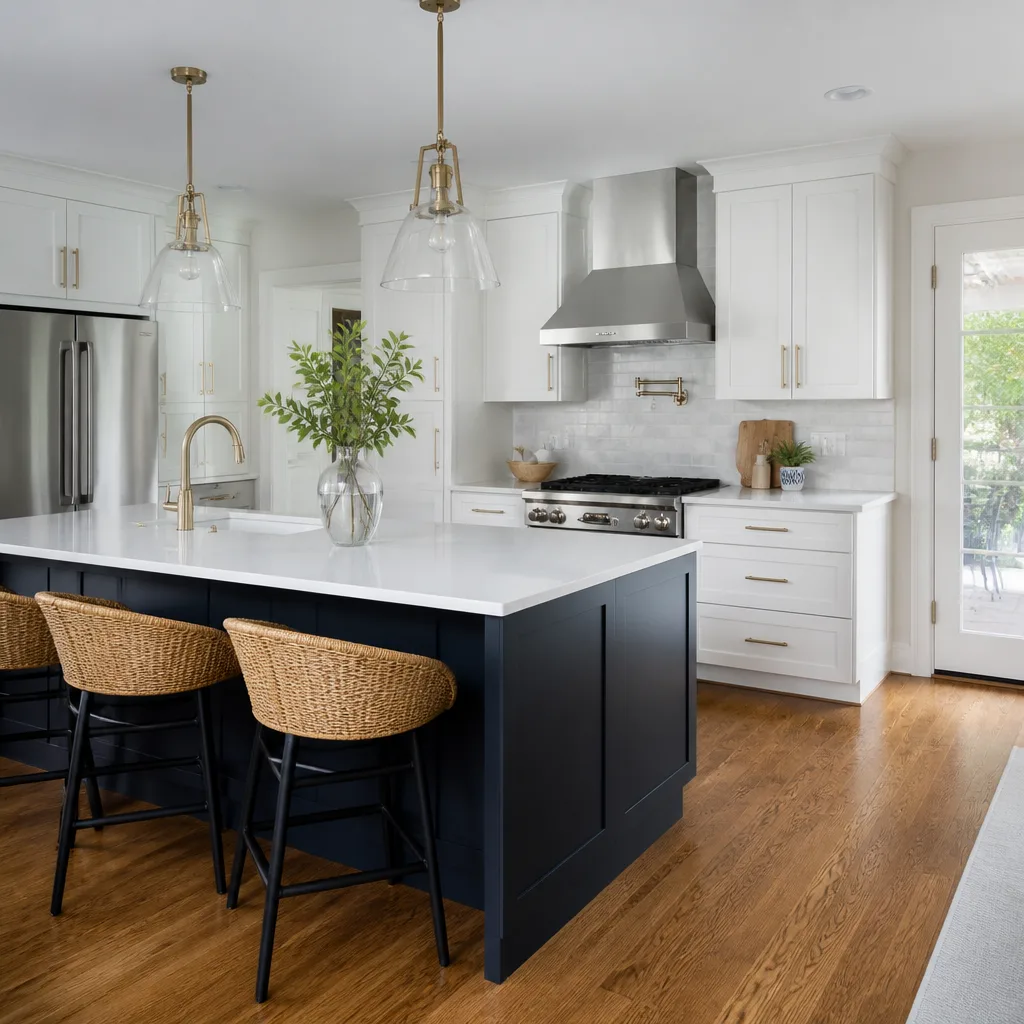
 Before
 After
After Before
 After
After Before
 After
AfterCWS Roofing: The Rancho Cucamonga Owner’s Guide
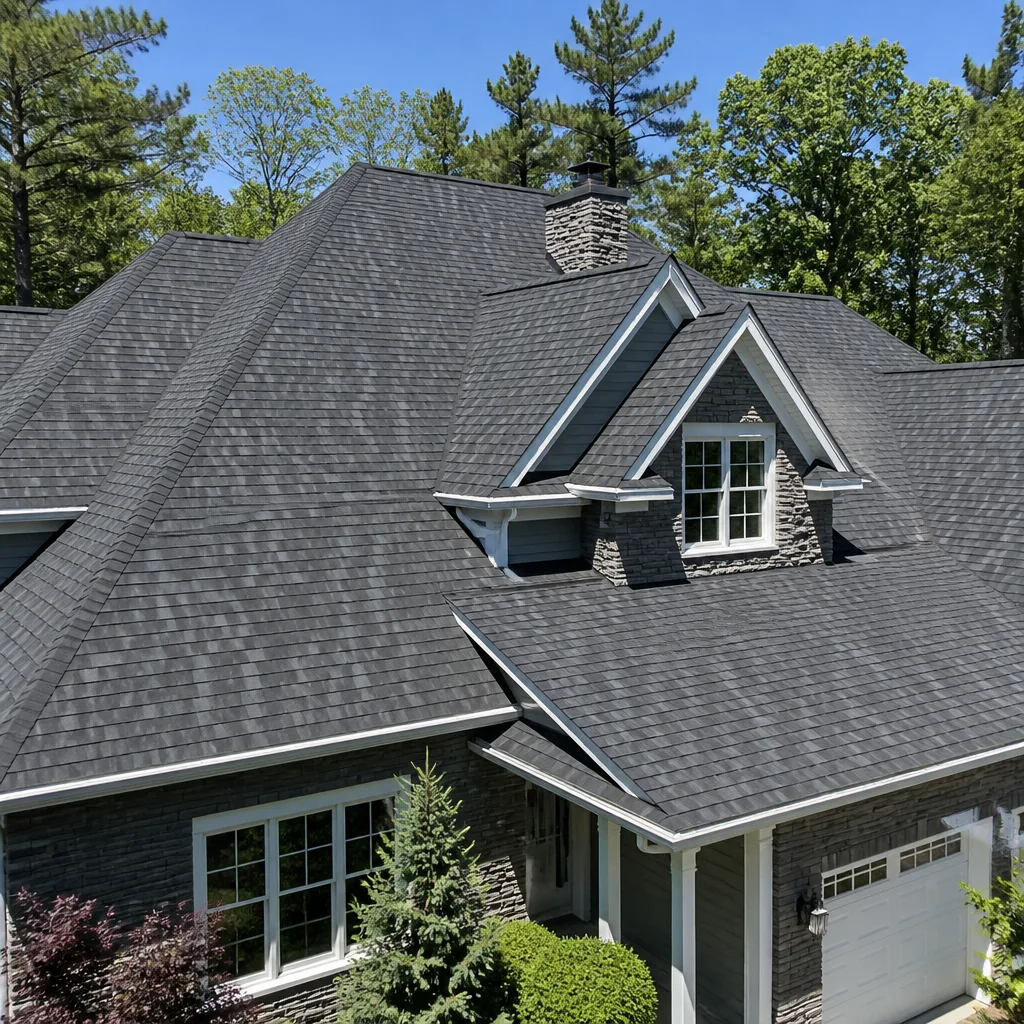
We stock and install CWS-compatible roofing components in Rancho Cucamonga, with most repairs running $400-$1,800 installed and replacement sections available same-day when we have your model on file. The call usually comes after a homeowner spots granules in the gutter, a lifted ridge cap, or a daylight crack showing through the underlayment after one of our Santa Ana wind events.
Most CWS roofing we see in Rancho Cucamonga went on during the 2015-2020 build cycle, especially in the newer tracts north of 19th Street and around the foothill developments. The symptoms show up first in the transition zones - where the CWS shingle meets a tile section, or where the builder used a CWS ridge vent system that wasn’t quite rated for the 70-mph gusts we get off the San Gabriel slope. That’s where we start looking.
Which CWS Models This Applies To
CWS produced several roofing lines for the Southern California market, and the part you need depends on the series stamped on the underside of the shingle or the vent housing label. The CWS “Desert Ridge” series, common in Rancho Cucamonga’s 2016-2019 builds, used a proprietary 6.5-inch exposure with a reinforced nailing strip that differs from standard Owens Corning or GAF equivalents by about 3/16 inch. That matters when you’re patching a section rather than replacing the whole plane.
The CWS “Summit” line, found more often in the older Victoria Arbors and Terra Vista installations, carried a 40-year warranty but used a lighter-weight fiberglass mat that fatigues faster under UV cycling than the Desert Ridge spec. We match OEM where the color lot is still available - CWS kept tighter color control than most - but we’ve also sourced compatible aftermarket ridge caps and vent boots from reputable manufacturers when the original run is depleted. The key is the nailing pattern and the exposure width; get that wrong and the patch telegraphs through in six months.
To identify your model: check the shingle back for a stamped code beginning “CWS-DR” (Desert Ridge) or “CWS-SM” (Summit), or photograph the ridge vent housing from the attic side where the part number is molded into the plastic. Bring that to us and we’ll cross-reference against what we have on the truck.
Signs Your CWS Roofing Is Failing
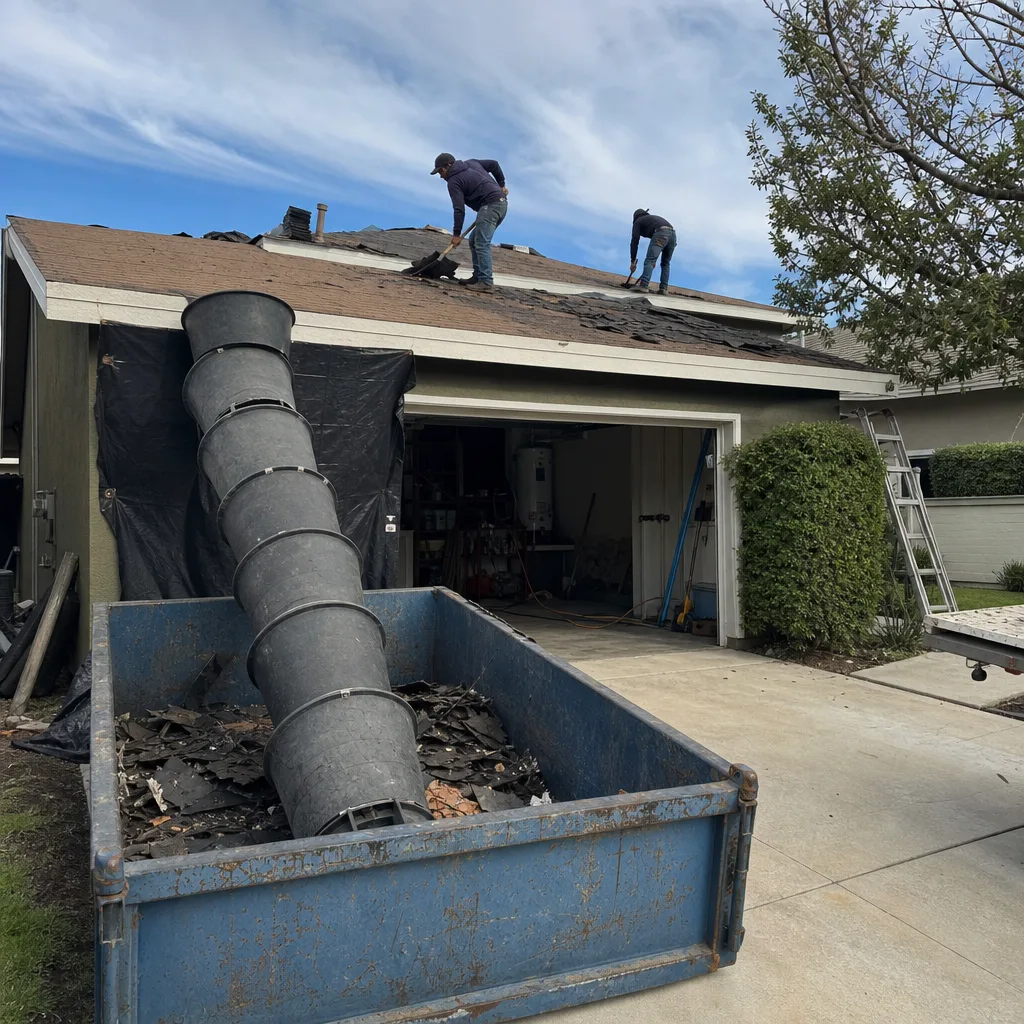
- Granule loss in gutters or downspout outlets. CWS shingles in Rancho Cucamonga lose granules faster on south-facing pitches where UV exposure peaks above 280 days annually. Once the asphalt substrate is exposed, water migration accelerates and the tab edges begin to curl.
- Lifted or displaced ridge caps after wind events. The CWS ridge vent system relies on a foam closure strip that compresses over time. When it loses resilience, the cap shingles rock in wind and the nails work loose. We find this most often on homes within two miles of the 210 corridor where the Santa Ana channeling is strongest.
- Daylight visible through the roof deck in the attic. This usually traces to a split shingle or failed valley flashing, not the underlayment itself. CWS valleys in this market were typically open-metal or woven; the metal version holds up better, but the fasteners back out after 8-10 years of thermal cycling.
- Interior ceiling stains that appear after rain but dry quickly. The CWS underlayment on many Rancho Cucamonga installs was a standard #15 felt rather than synthetic. Felt degrades at the laps first; water gets in, runs the rafter, and exits at a penetration. The roof may look intact from the street.
- Sagging or soft spots near the eave. This points to ice-dam-style backup from clogged gutters, which is less about frozen water here than about debris dams forcing water up under the first course. CWS starter strips in this era sometimes lacked the full adhesive sealant strip found on premium lines.
 Before
 After
AfterReplacement Cost & What’s Included
We quote CWS roofing work in Rancho Cucamonga with the same flat-price discipline we apply to every trade. Most repairs fall in the $400-$1,800 range depending on whether we’re replacing a vent section, patching a valley, or resecuring a ridge run. A full CWS-compatible replacement on a typical 2,000-square-foot Rancho Cucamonga home runs $8,000-$20,000, with the spread driven by pitch complexity, deck condition, and whether we’re matching existing tile or going full shingle.
Every quote is written and itemized before work starts - materials, labor, disposal, permit fees if we’re pulling one for a full replacement. Under Clause 1 of the Haven Standard, that number doesn’t change unless you sign a change order. We document the deck condition with photos, note any plywood replacement needed, and warranty the workmanship for one year with our 365-Day Done Right Promise. If you’re comparing against another contractor’s quote, bring it in - we offer a Free Second Opinion, line by line, at no charge.
DIY or Call Us?
There’s a safe middle ground here. A homeowner can check the gutter granule load, photograph the ridge from the ground with a zoom lens, and verify attic daylight - all useful information that speeds our diagnosis. What we don’t recommend is walking the roof yourself. CWS shingles installed in Rancho Cucamonga’s hotter months (May through September) cure to a brittle state by year seven or eight, and the foothill lots often carry a 6:12 pitch or steeper that demands proper fall protection.
We’ve also seen DIY ridge cap replacements where the owner used standard nails instead of the longer ring-shank fasteners CWS specified, or where the closure strip was omitted entirely. Three months later the caps are scattered across the neighbor’s yard. If you’re uncertain, call us at (909) 373-9612 and we’ll schedule a no-charge look. Measure twice, document once, no surprises at closeout.
FAQs
Expect 18-25 years for the Desert Ridge series and 15-20 for the lighter Summit line, with south-facing pitches running to the shorter end. The intense UV and Santa Ana wind exposure in Rancho Cucamonga’s foothill zones accelerate granule loss and tab fatigue compared with inland valley installations. Call (909) 373-9612 for a condition assessment - estimates are free.
Most CWS issues we see in Rancho Cucamonga are repairable if they’re caught before the underlayment is compromised - isolated ridge cap failure, single-plane wind damage, or valley flashing replacement. Once water has saturated the deck or multiple planes show curling, replacement becomes the cost-effective path. We document the deck condition with photos so you can see the difference. Call (909) 373-9612 for a written scope and price.
A standard repair - ridge cap reinstallation, vent swap, or valley patch - takes four to six hours on site. Full replacement runs three to five days depending on deck repairs and weather hold. We don’t schedule teardown until materials are confirmed in hand, so you’re not left with a blue tarp. Call (909) 373-9612 to book a start date.
We carry CWS-compatible ridge caps, vent boots, and closure strips on our Rancho Cucamonga service truck, and we maintain a local inventory of the most common Desert Ridge colors. For discontinued Summit shades or full shingle lots, we source through our network of fifty-plus vetted brands - including KraftMaid, Cambria, and Silestone for our other trades - with typical lead times of three to five business days. Call (909) 373-9612 with your model code and we’ll confirm availability.
Rowan Construction Group Rancho Cucamonga is an independent service provider and is not affiliated with CWS. We source compatible and equivalent parts based on specification matching and documented performance.
Written by Grant Rowan, Owner, Rowan Construction Group - Rancho Cucamonga, CA at Rowan Construction Group Rancho Cucamonga, serving Rancho Cucamonga and nearby areas.