
Free written scope consultation - allowances, timeline, and change-order rules on paper before a single trade is scheduled
 Before
 After
After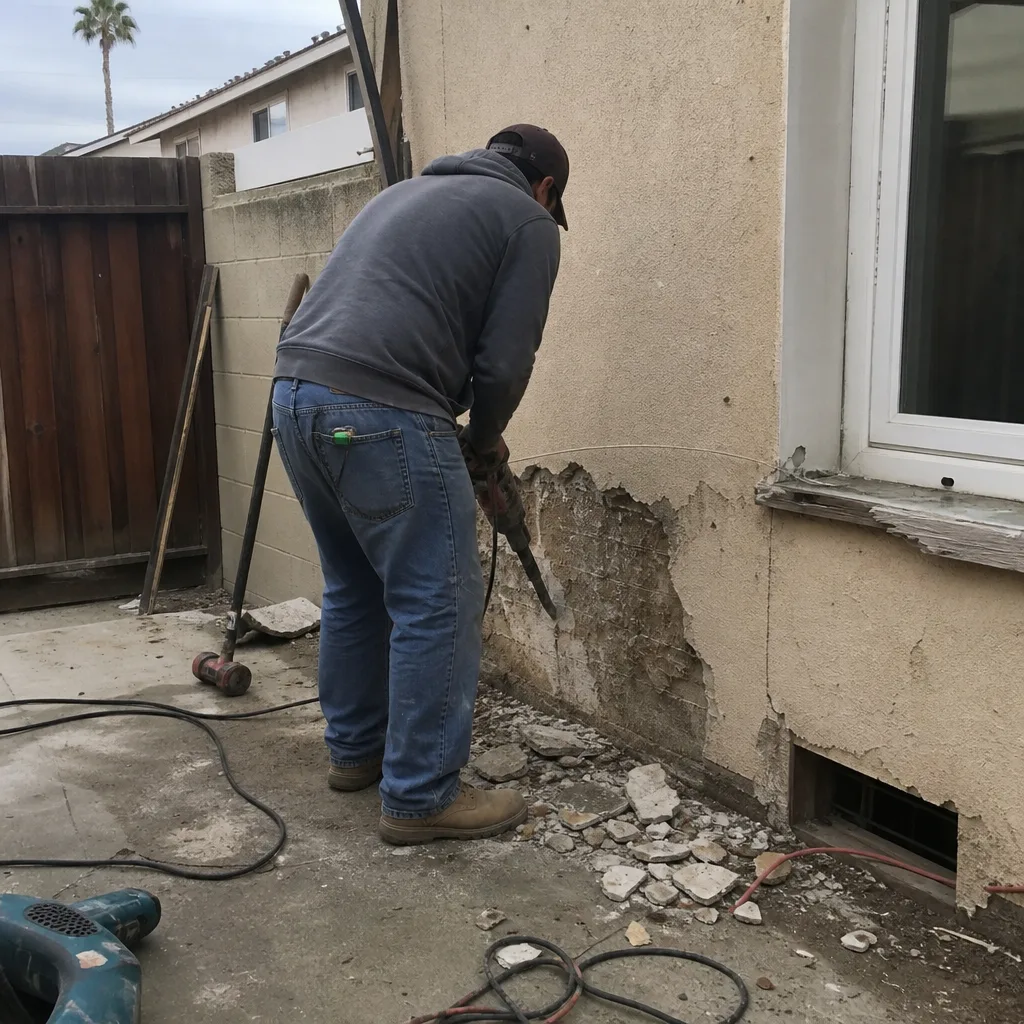 Before
 After
After Before
 After
AfterJames Hardie Driveway & Pavers: The Rancho Cucamonga Owner’s Guide
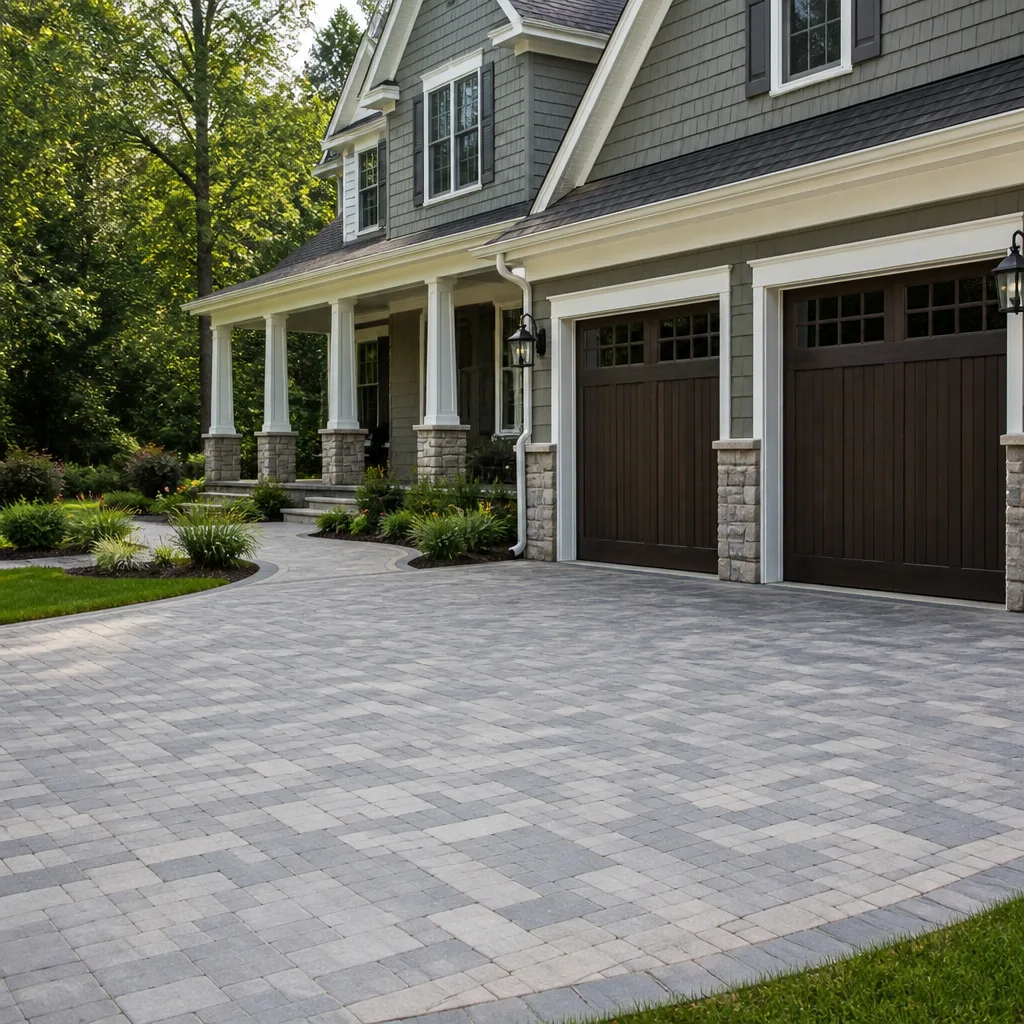
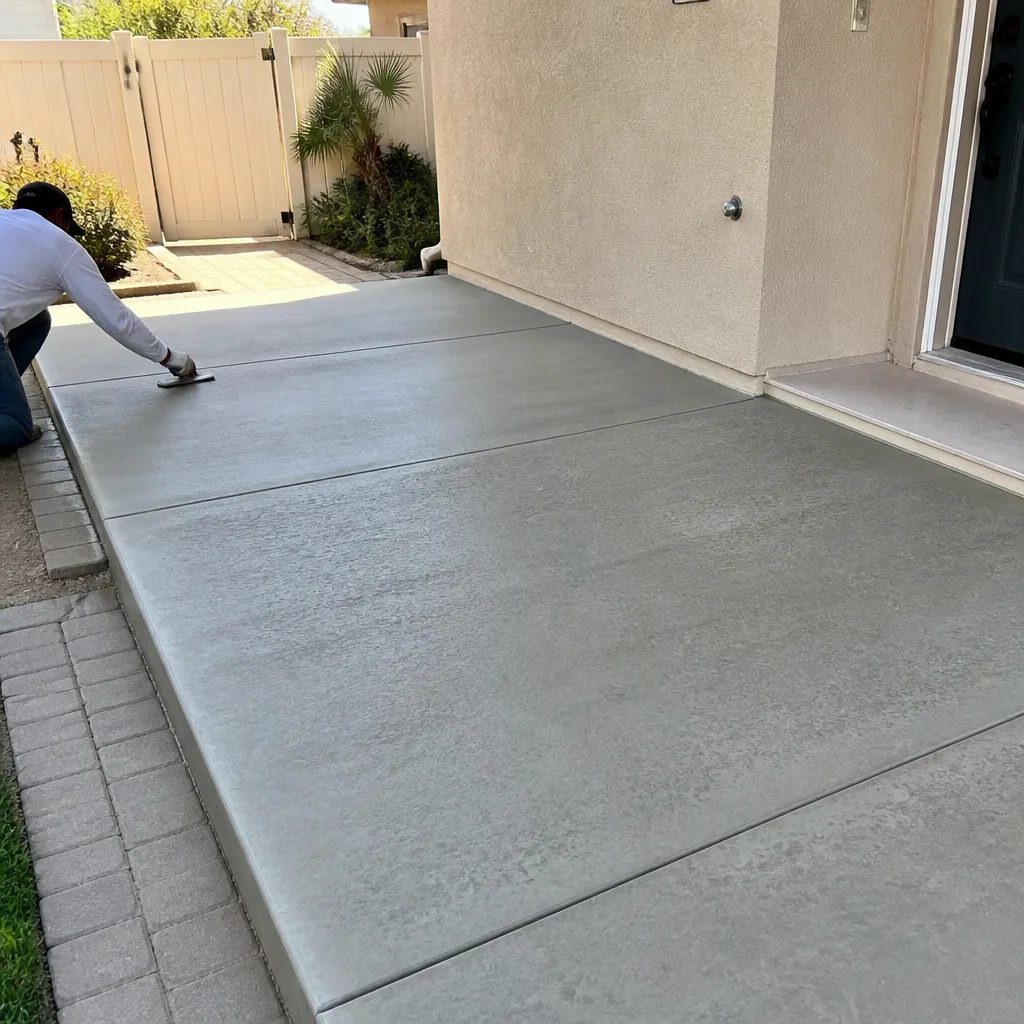
James Hardie doesn’t manufacture driveway pavers or hardscape products, their core business is fiber-cement siding and trim. What we see in Rancho Cucamonga is homeowners who’ve had James Hardie siding installed and now need complementary hardscape work, matching driveway materials, or paver systems that integrate with Hardie trim details at grade level. We stock and install Belgard and Techo-Bloc paver systems that interface cleanly with James Hardie fiber-cement installations, with paver driveway projects in Rancho Cucamonga typically running $7,000-$18,000 installed depending on substrate condition and pattern complexity. Most paver assessments happen same-day once you call.
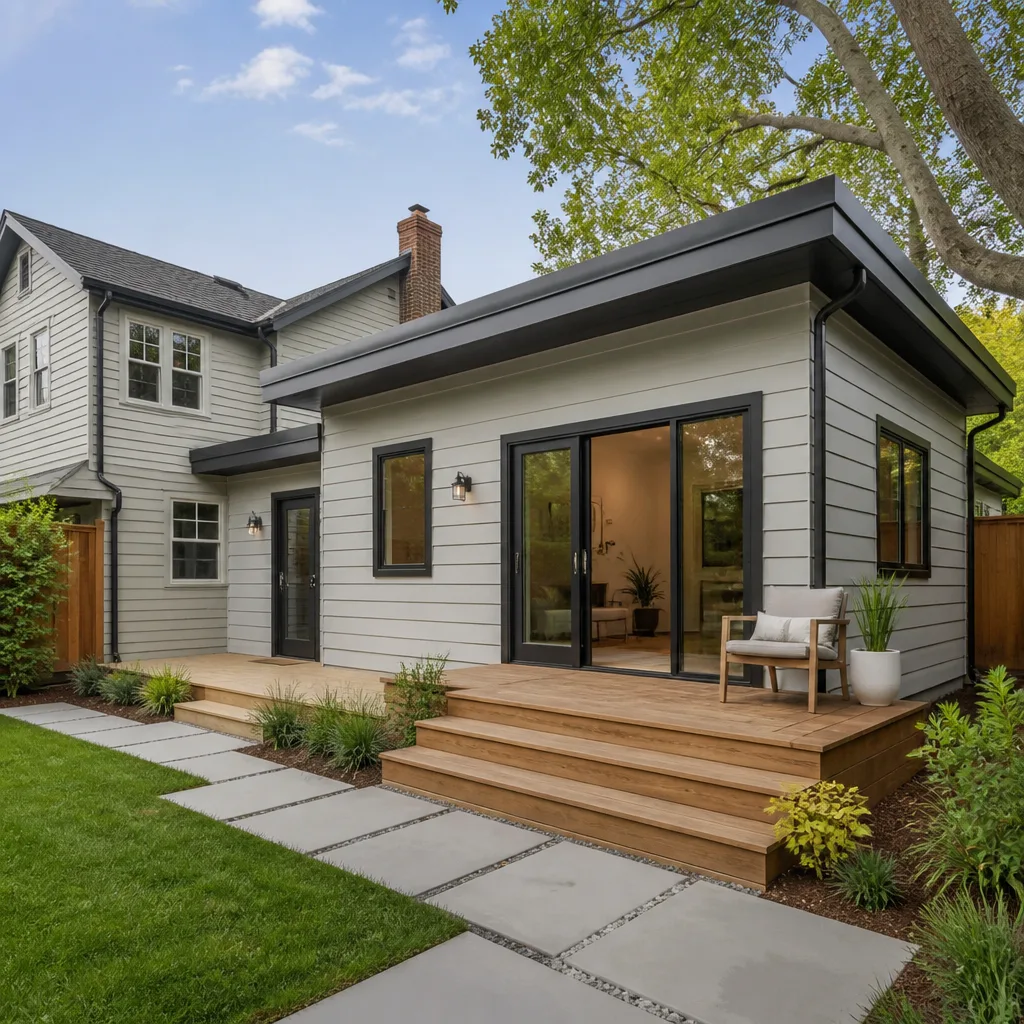
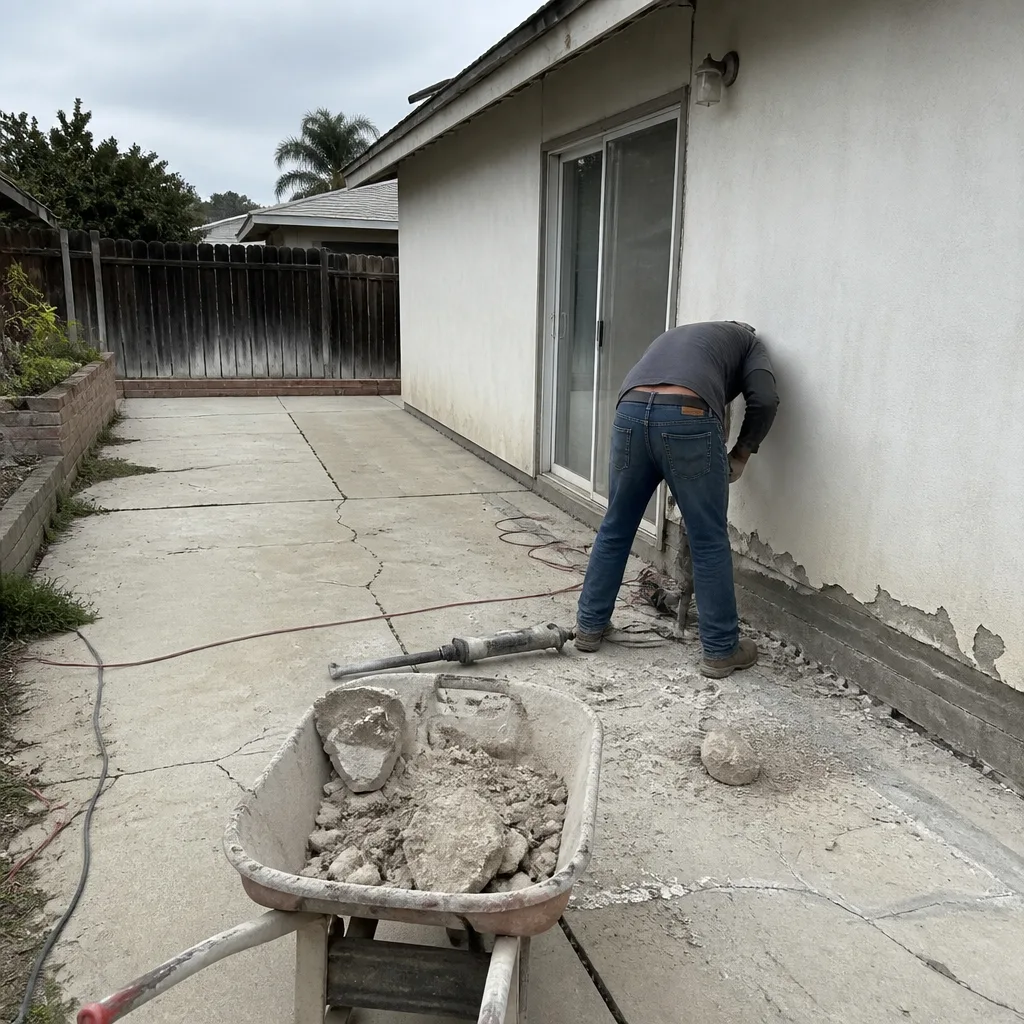
The failure pattern we encounter isn’t the paver itself, it’s the system around it: settling against a Hardie wall where the weep screed (the perforated drainage strip at the base of stucco or siding) gets buried, water backs up, and the homeowner notices efflorescence on the Hardie trim or pavers pulling away from the wall. In the Foothill Corridor near Haven Avenue, we’ve rebuilt several paver-to-wall transitions where the original installer didn’t account for the 4-inch minimum clearance James Hardie specifies above finished grade.
Which James Hardie Installations This Applies To
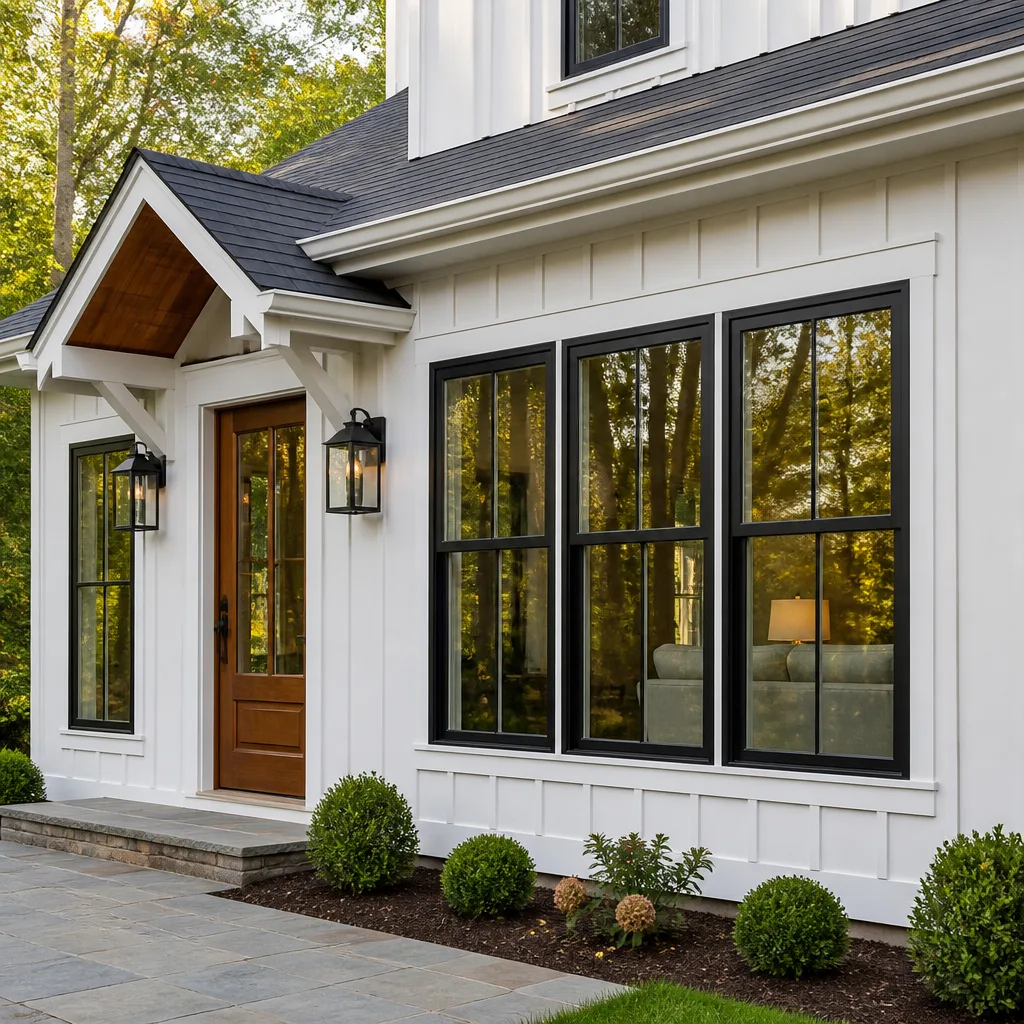
James Hardie fiber-cement siding, including HardiePlank lap siding, HardiePanel vertical siding, and HardieTrim boards, all share the same critical detail: finished grade must sit at least 4 inches below the bottom edge of the siding, and a weep screed or equivalent drainage plane must remain unobstructed. When pavers are installed too high against these walls, the result is wicking moisture, swelling trim, and eventually substrate damage that looks like siding failure but is actually a hardscape drainage problem.
To identify what you’re dealing with, check the gap between your paver edge and the wall. If it’s less than 4 inches, or if you see caulk packed into what should be an open drainage gap, the system is out of spec. We also see this where Hardie HZ5 product (the zone-specific formulation for wet climates, sometimes shipped to Southern California by mistake) has been installed, its higher paint film thickness trapping more moisture when paired with improper paver drainage. The fix isn’t replacing the siding, it’s regrading the paver edge and installing a proper permeable border, typically with a concrete mow strip or aluminum paver restraint that maintains the clearance.
For the paver itself, we source Belgard Catalina Slate and Techo-Bloc Blu 80mm units as our standard replacements in Rancho Cucamonga, both rated for vehicular loads and available in tones that complement Hardie’s Autumn Tan, Navajo Beige, and Iron Gray color families. OEM James Hardie paver product doesn’t exist, the match is aesthetic and drainage-functional, not branded.
Signs Your James Hardie-Adjacent Paver System Is Failing
- White powder on the lowest course of Hardie trim. This is efflorescence, mineral salts carried by water migrating through the paver base and wicking into the siding. In Rancho Cucamonga’s clay-heavy soils near the San Gabriel wash, we see this where the paver bedding layer wasn’t separated from the native soil with geotextile fabric.
- Pavers tilting toward the house instead of away. Proper pitch is 1/8 inch per foot minimum away from structure. When pavers settle toward the wall, water pools against the weep screed and the Hardie warranty is voided, James Hardie’s written installation requirements explicitly exclude damage from improper drainage.
- Gaps opening between paver border and wall, or border stones sinking. The edge restraint has failed, usually because plastic or aluminum edging was spiked into uncompacted soil rather than a concrete haunch. We replace these with a poured concrete mow strip that locks the border and maintains the 4-inch Hardie clearance in one element.
- Spalling or surface delamination on pavers within 3 feet of the wall. Concentrated moisture from the roof drip line, combined with wicking from the wall base, saturates the paver freeze-thaw cycle isn’t the issue in Rancho Cucamonga, but the mineral content of our groundwater accelerates surface degradation on lower-density concrete pavers.
- Hardie trim boards swelling or softening at the bottom. Fiber-cement is moisture-resistant, not waterproof. Prolonged contact with saturated paver bedding will degrade even properly installed HardieTrim. This is the point where repair costs jump from paver re-edge ($2,000-$4,500) to partial siding replacement plus paver work ($6,000-$12,000).
 Before
 After
AfterReplacement Cost & What’s Included
Our paver driveway and re-edge pricing for Rancho Cucamonga follows the ranges below. Every figure is a flat written price delivered before work starts, with line-item breakdown, not an estimate that shifts.
| Service | Price Range | What’s Included |
|---|---|---|
| Paver driveway installation (new) | $7,000-$18,000 | Excavation to 8-10 inches, class II base, bedding sand, pavers, edge restraint, compaction, site cleanup, photo documentation |
| Driveway replacement (remove and reinstall) | $5,000-$14,000 | Removal of existing surface, substrate evaluation, new base as needed, paver installation, written warranty |
| Paver-to-wall regrade and drainage correction | $2,000-$4,500 | Removal of border course, regrade with proper pitch, concrete mow strip or aluminum edge restraint, weep screed clearance verification, photo record |
| Driveway sealing (maintenance) | $250-$700 | Pressure wash, joint sand refresh, solvent-based acrylic sealer application |
What drives the range: access (can we get a mini-excavator to the site or is it hand-dig), existing substrate condition (clay expansion in Alta Loma vs. decomposed granite in Etiwanda), and pattern complexity, herringbone patterns with soldier courses take roughly 30% more labor than running bond. Under Clause 1 of The Haven Standard, the price we write is the price you pay; no change order gets signed unless you request additional scope. Our 365-Day Done Right Promise covers workmanship and materials defects, we return and make it right at no charge.
DIY or Call Us?
What you can safely check yourself: verify the gap between paver and wall with a tape measure, look for the weep screed slots (they’re visible as horizontal lines in stucco, or the bottom edge of building paper in siding), and confirm water runs away from the house during a hose test. If any of these three checks fail, the fix involves excavation, which in Rancho Cucamonga means calling before you dig to 811, plus the risk of cutting unseen irrigation or low-voltage lighting lines that previous owners buried shallow.
Where DIY goes wrong: regrading without compacting the base in lifts leads to resettling within one season, we’ve been called to redo homeowner paver edges where the border sank 2 inches in six months because the soil wasn’t compacted to 95% standard Proctor density. The concrete mow strip we pour requires a 2,500 PSI minimum mix with control joints at 4-foot centers, bagged concrete from the hardware store won’t survive our thermal swings. For the drainage geometry that protects your James Hardie warranty, call (909) 373-9612 and we’ll assess it, document what we find, and give you a written price before any excavation starts.
FAQs
Quality concrete pavers rated for vehicular traffic last 25-30 years in our dry climate, the freeze-thaw failure mode common in the Midwest essentially doesn’t apply here. What limits lifespan is base failure from poor drainage or tree root intrusion, particularly with the mature eucalyptus and pepper trees in older Rancho Cucamonga neighborhoods. Annual sealing extends surface color retention by roughly 40% based on our project records. Call (909) 373-9612 for an assessment of your specific site conditions, estimates are free.
Sometimes. If the border course has settled but the bedding layer and base are intact, we can lift, regrade, and relay existing pavers with new edge restraint, typically $800-$1,800 versus $2,000-$4,500 for full re-edge with base correction. The determining factor is whether the base has washed out or the soil has expanded, we check this by probing the excavated edge and photographing the substrate condition for your record. Call (909) 373-9612 to schedule the evaluation, there’s no charge.
Most residential driveways in Rancho Cucamonga run 3-5 days from excavation to final compaction: one day for removal and base prep, one day for base compaction and bedding, one to two days for laying and cutting pavers, one day for edge restraint and joint sand with plate compaction. Weather delays are rare here, though we avoid sealing within 48 hours of rain. We provide a written schedule with the price, and our crew documents each stage with dated photos you receive at closeout. Measure twice, document once, no surprises at closeout.
We maintain inventory of Belgard Catalina Slate and Techo-Bloc Blu in the most common Rancho Cucamonga color matches, Gray-Nickel and Beige-Cream tones typically ship from our supplier in Fontana within 48 hours if not on hand. Custom colors or large-format porcelain pavers (Techo-Bloc’s Industria line, for instance) run 2-3 weeks. We don’t start demolition until materials are confirmed on-site, another Clause 1 discipline, so you’re never living with an excavated driveway waiting on backordered product. Call (909) 373-9612 to check current stock against your Hardie color.
Ready to get a written price? Call Rowan Construction Group at (909) 373-9612 to schedule your free estimate. We’ll assess the paver-to-wall detail, verify your Hardie clearance, and deliver a flat written price with line-item scope before any work begins. Bring a competitor’s written estimate and we’ll review it line by line at no charge, our Free Second Opinion is standing policy.
Written by Grant Rowan, Owner, Rowan Construction Group - Rancho Cucamonga, CA at Rowan Construction Group Rancho Cucamonga, serving Rancho Cucamonga and nearby areas.