
Last updated September 24, 2026
Free written scope consultation - allowances, timeline, and change-order rules on paper before a single trade is scheduled

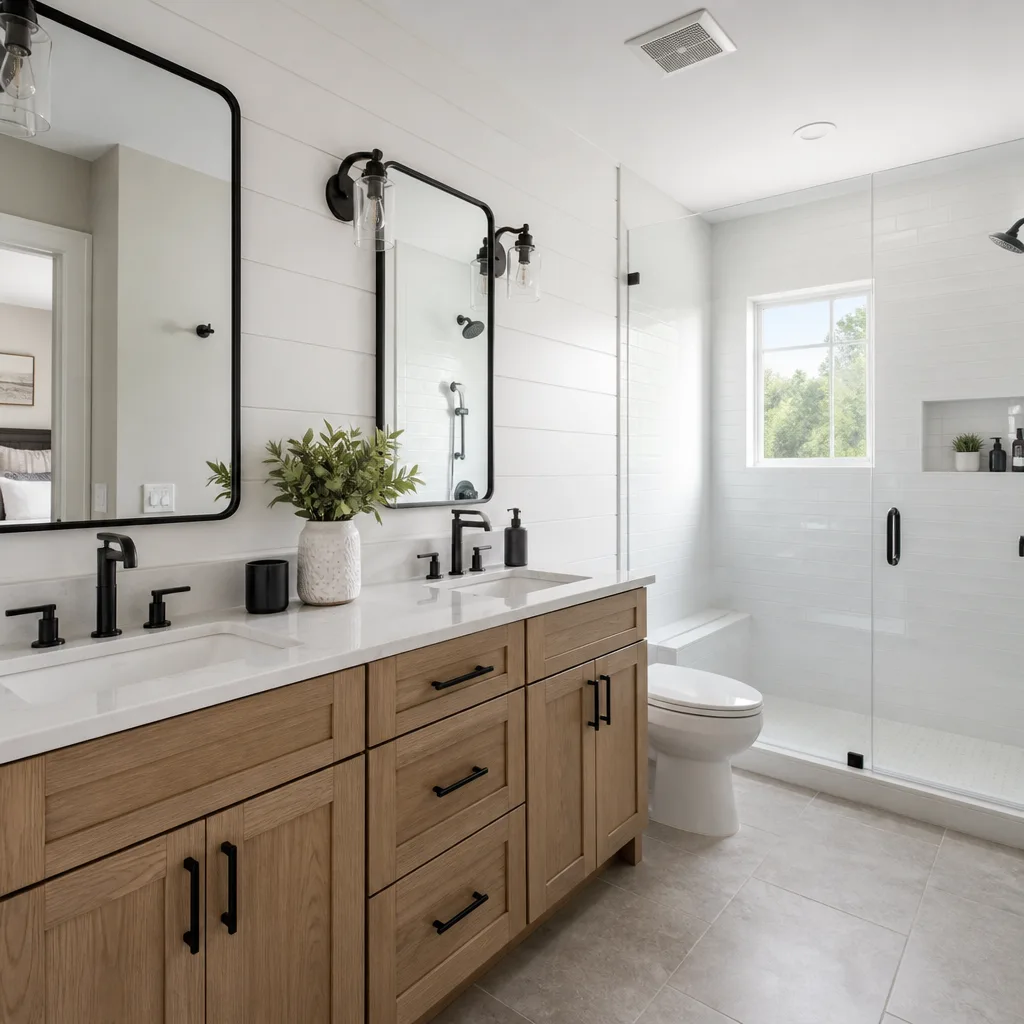


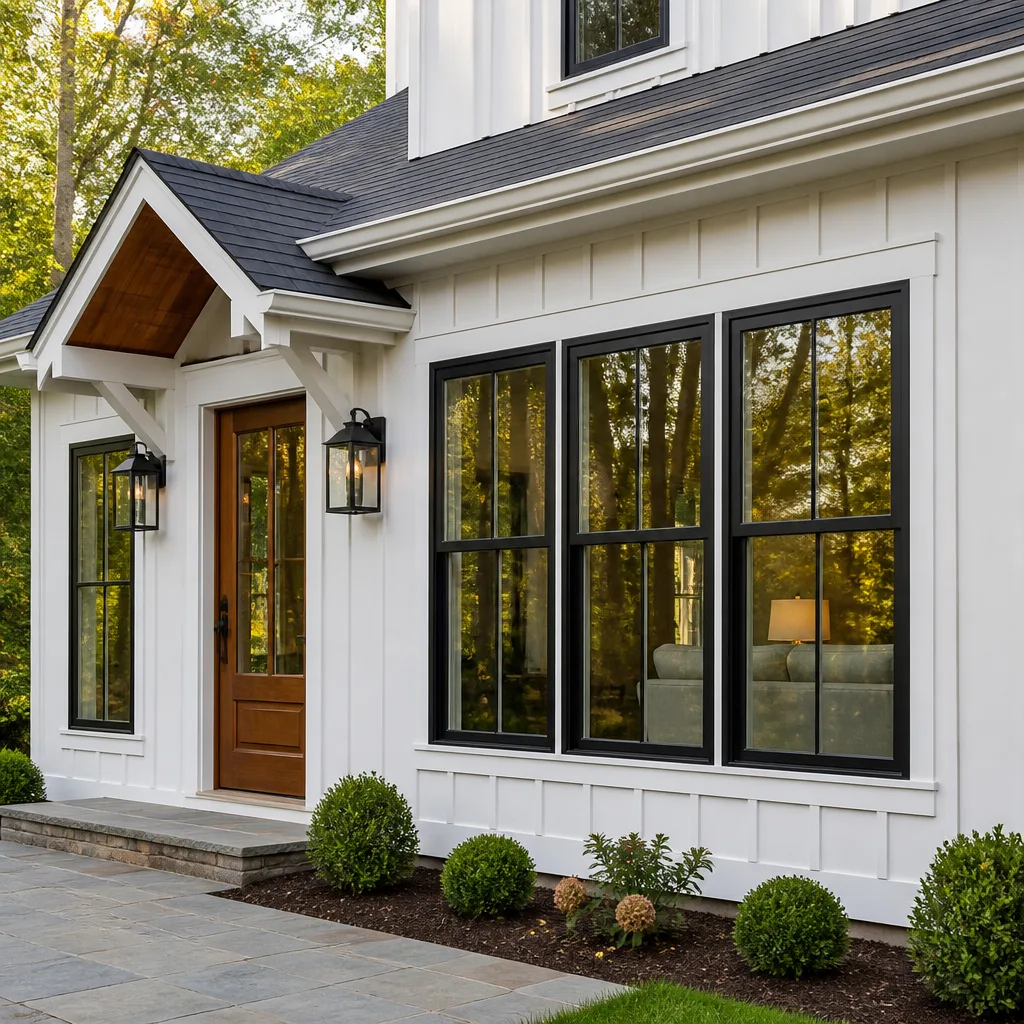


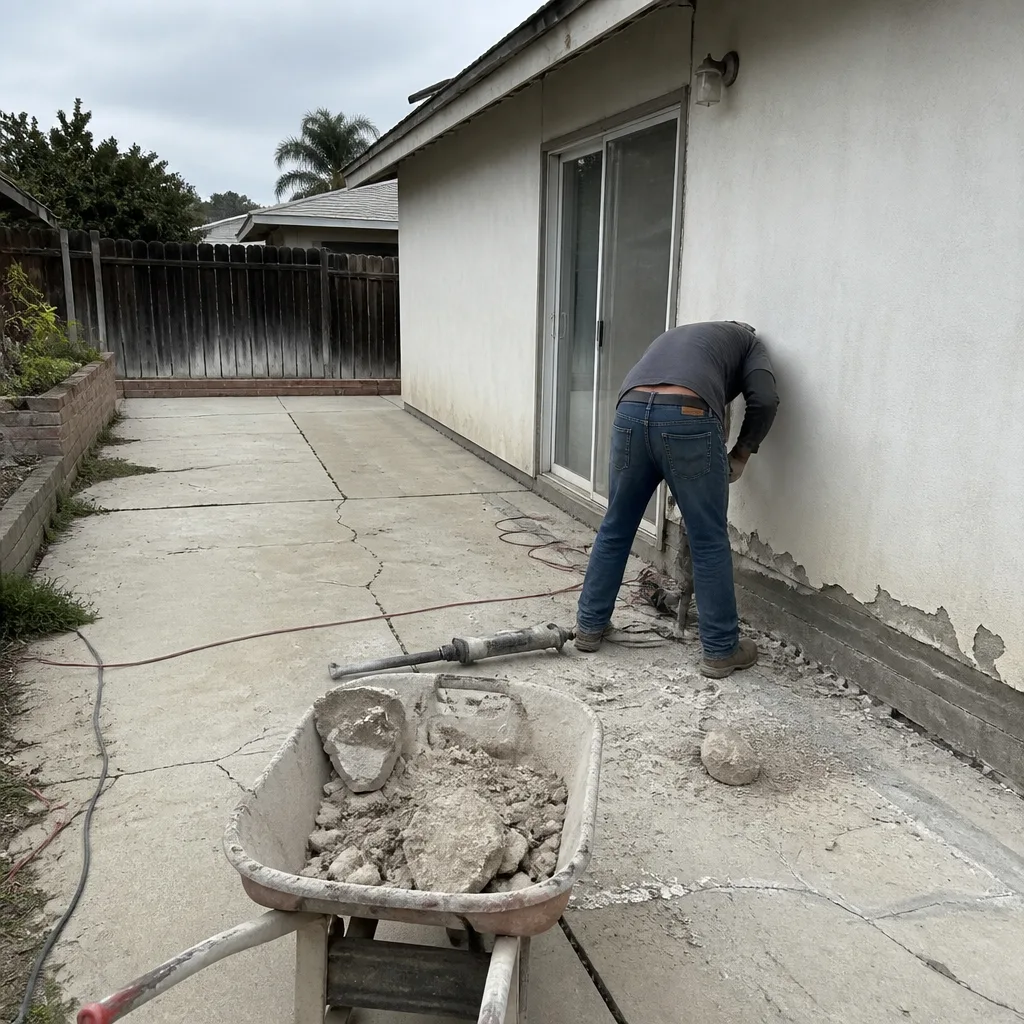 Before
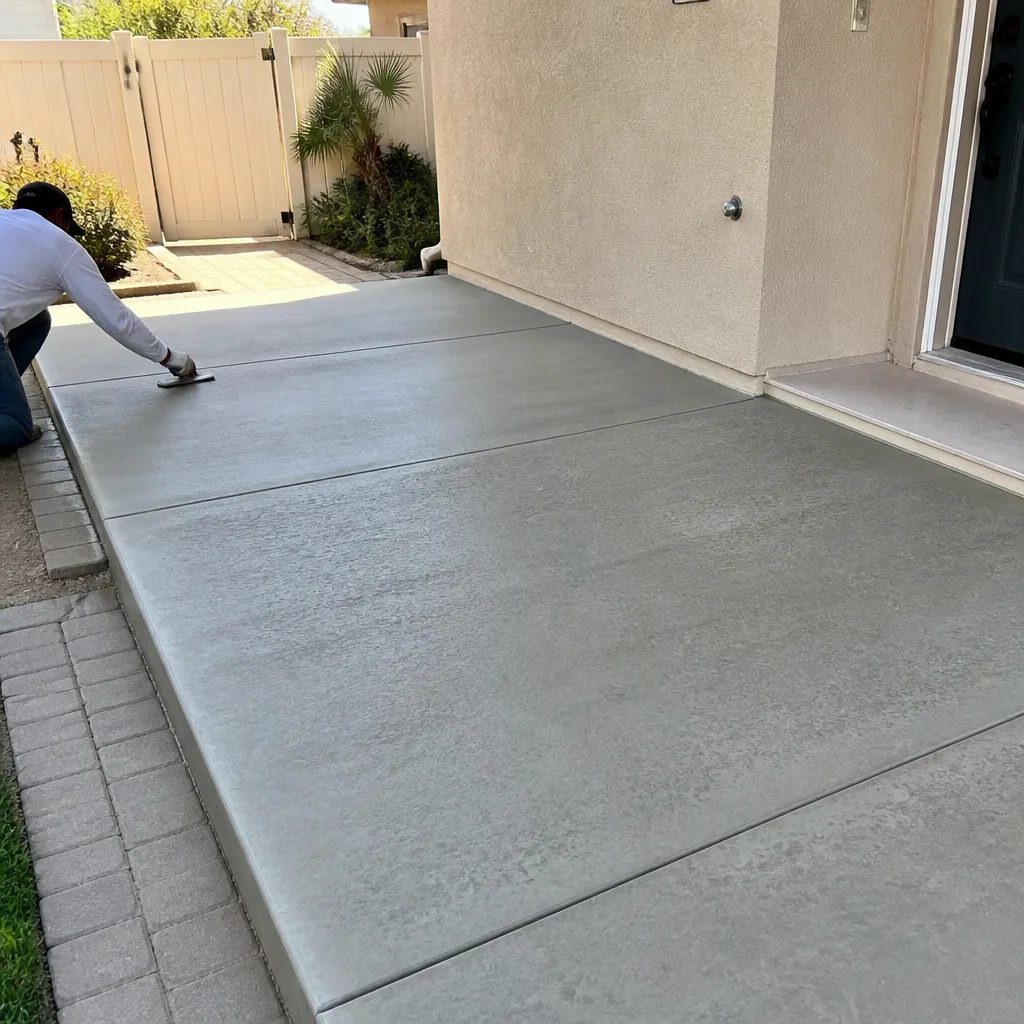 After
After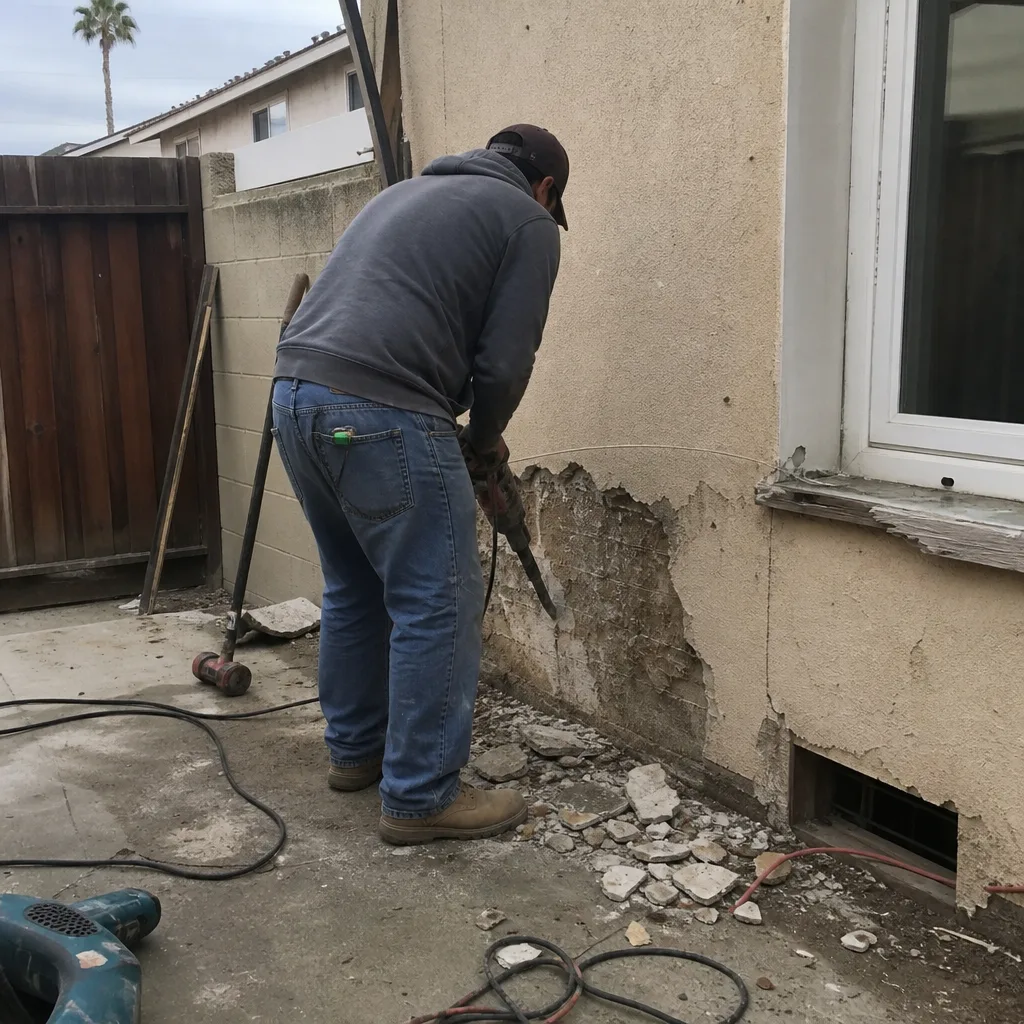 Before
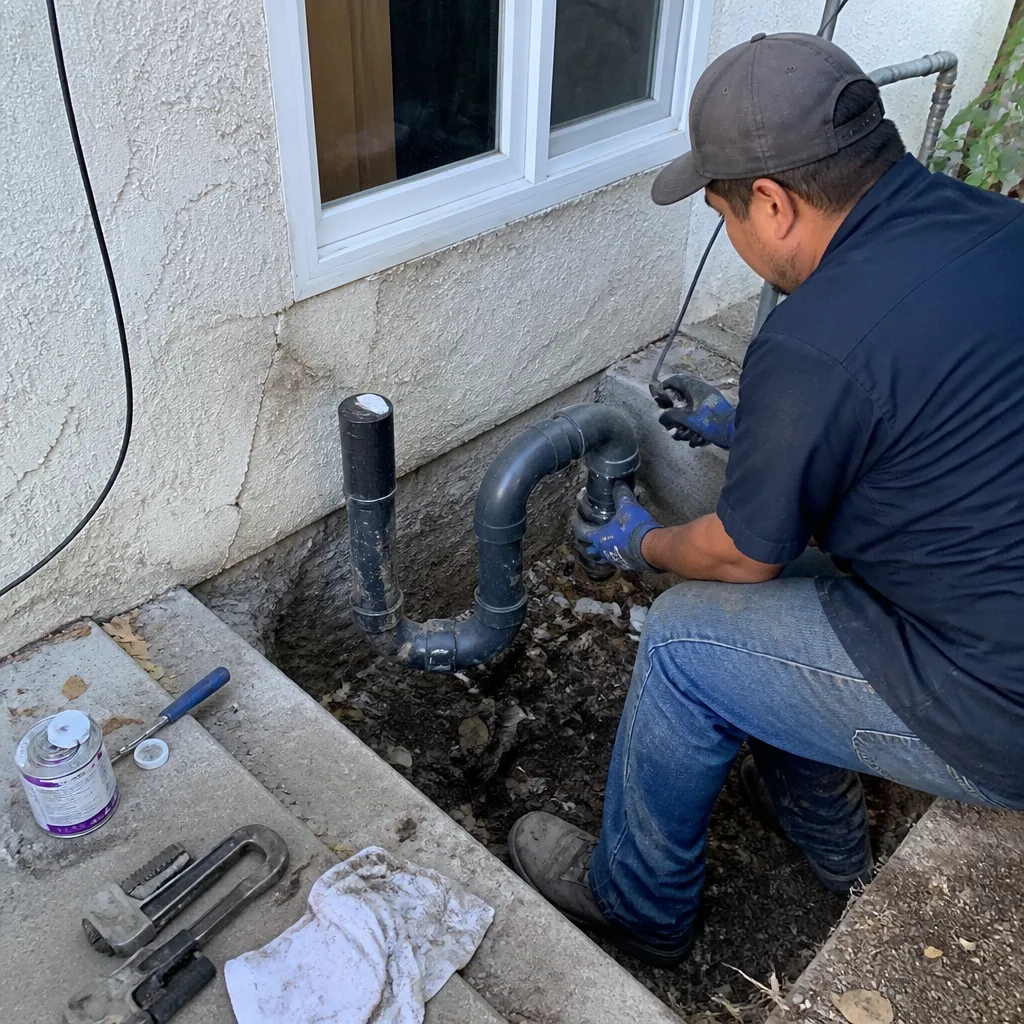 After
After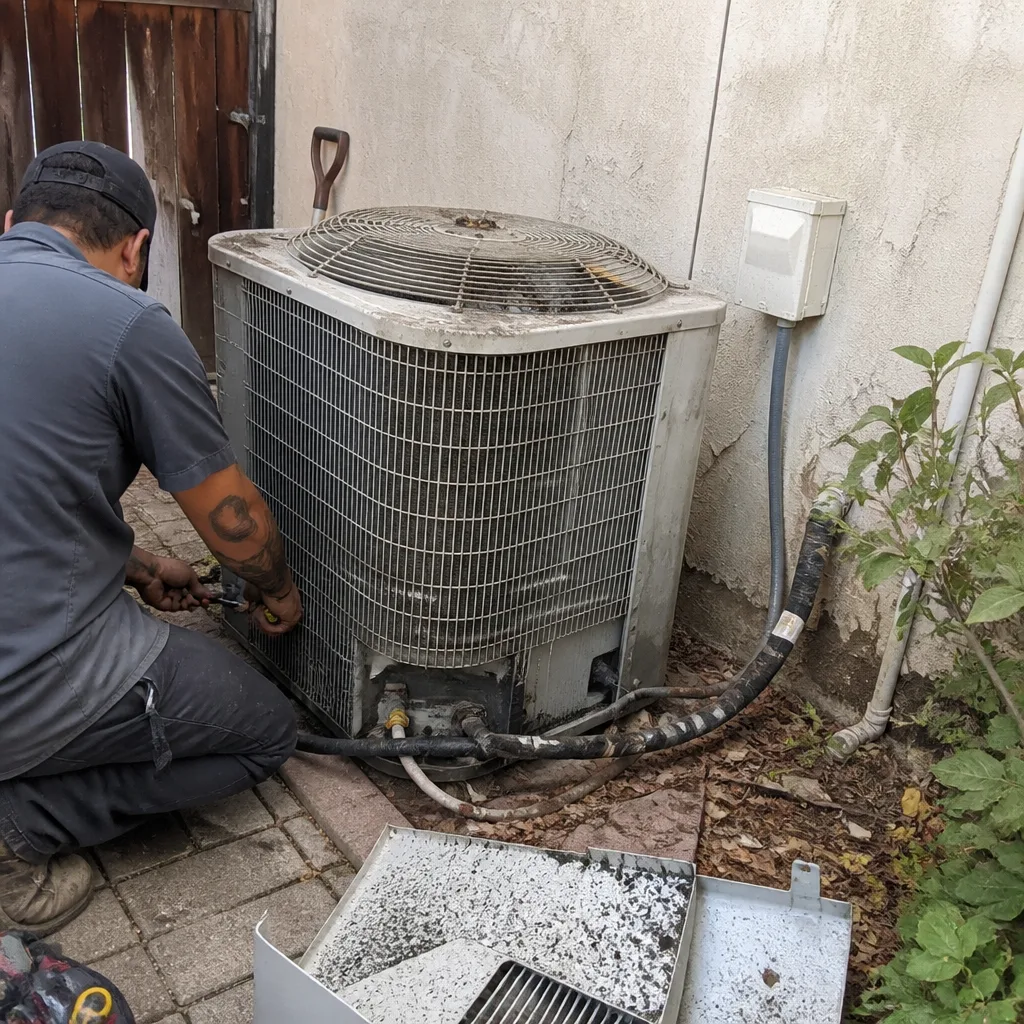 Before
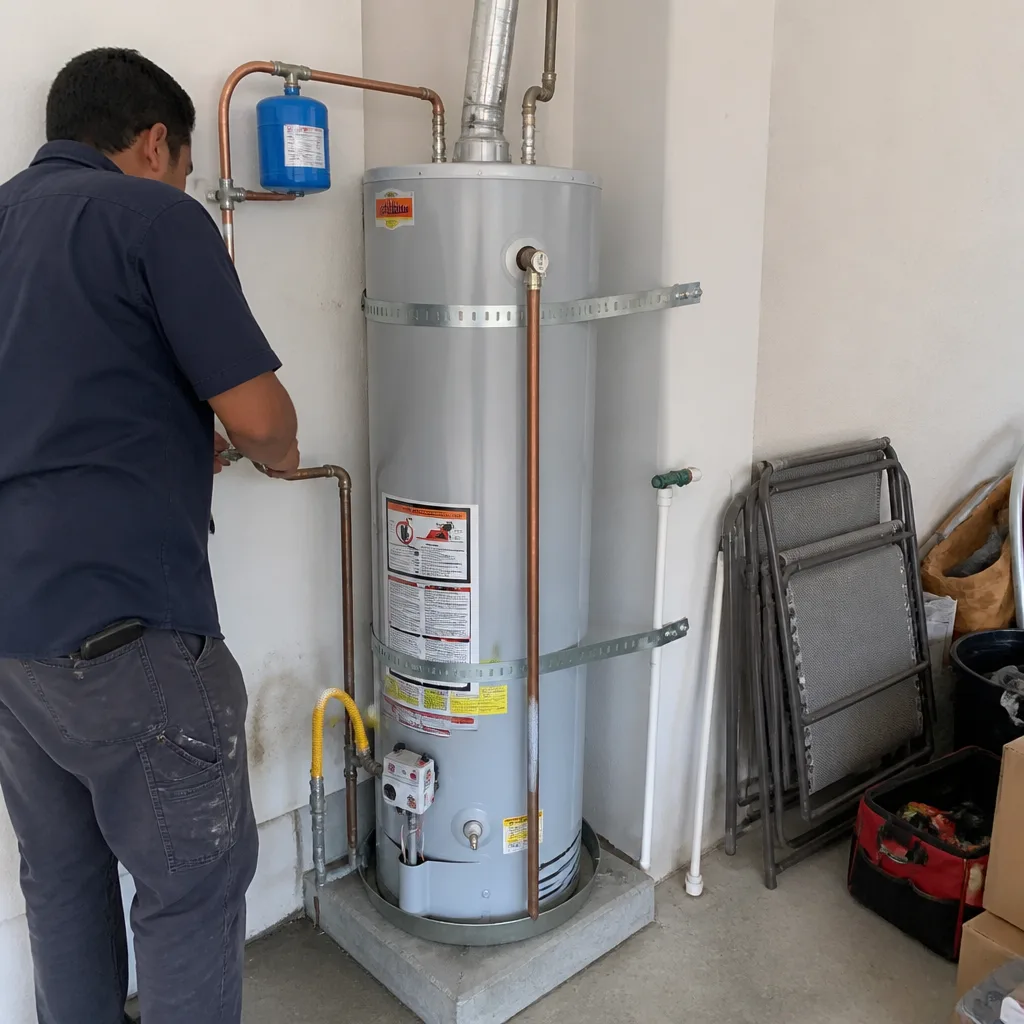 After
AfterDIY vs Professional Construction: The Rancho Cucamonga Homeowner’s Decision Guide
A homeowner in Rancho Cucamonga who installs their own water heater without a permit saves roughly $300 in contractor labor - and voids the manufacturer’s warranty on a $900-$1,400 appliance, while creating an unpermitted installation that must be disclosed and likely corrected at sale. That single example illustrates why the DIY-versus-hire decision is not primarily about skill level or tool ownership. It is about which tasks carry permit requirements, warranty implications, or insurance consequences that convert apparent savings into net losses. In this guide, we’ll map each common project type to its actual legal and financial risk profile under California law and manufacturer terms, with specific numbers for the Rancho Cucamonga market.
Quick Answer
Most Rancho Cucamonga homeowners should hire a licensed contractor for any project involving electrical panels, structural modifications, water heaters, HVAC equipment, or roofing, because California law requires permits for these tasks and manufacturer warranties are voided by unlicensed installation. DIY is legally straightforward and financially sensible for interior painting, cabinet hardware replacement, non-wet-area tile backsplashes, and landscape grading under 50 cubic yards - provided you carry standard homeowner’s insurance and understand your policy’s workmanship exclusion.
Table of Contents
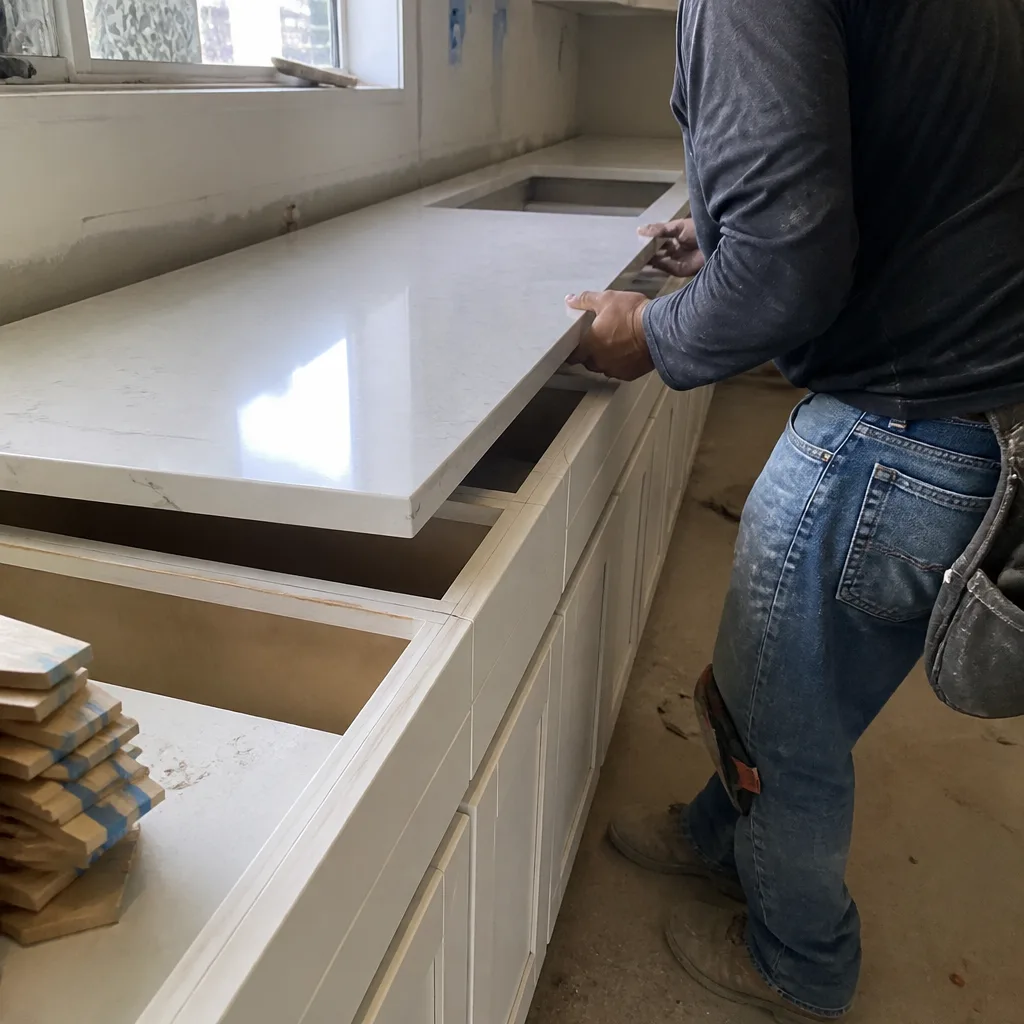
- California Permit Traps: Where DIY Creates an Unpermitted Condition
- How Manufacturer Warranties Void on DIY Installation
- The True Cost of DIY: A Rancho Cucamonga Accounting Template
- Safe DIY Projects in Rancho Cucamonga: What’s Actually Low-Risk
- Insurance Exposure: How Your Policy Treats Unpermitted Work
- Kitchen and Bathroom Remodeling: Where the Line Falls
- Roofing and Windows: Why DIY Rarely Pays
- Common Mistakes to Avoid
- When to Call a Professional
- Frequently Asked Questions
 Before
 After
AfterCalifornia Permit Traps: Where DIY Creates an Unpermitted Condition
California building code does not recognize quality of execution as a substitute for proper permitting. A water heater installed with perfect plumbing technique is still unpermitted if no permit was pulled, and that distinction carries consequences at sale, during insurance claims, and in warranty disputes.
The California Building Standards Code (Title 24) and the California Plumbing Code establish specific permit requirements that apply uniformly across Rancho Cucamonga and all jurisdictions under San Bernardino County’s enforcement umbrella. Here are the tasks where DIY work, regardless of quality, creates a code violation:
- Electrical panel work. Any modification to a service panel, subpanel, or breaker configuration requires an electrical permit under CEC Article 110.3(B). This includes adding circuits, upgrading amperage, or relocating a panel. DIY panel work is a common source of home sale complications in Rancho Cucamonga’s 91701 and 91737 zip codes, where older Eichler-influenced homes and 1980s tract builds often have undersized panels.
- Structural modifications. Removing or altering load-bearing walls, modifying roof trusses, or changing foundation elements requires a structural permit. The 2019 California Residential Code Section R105.1 requires engineered plans for any alteration affecting gravity or lateral load paths. In Rancho Cucamonga’s hillside areas near the San Gabriel Mountains foothills, this intersects with grading and geological review requirements that extend permit timelines significantly.
- Water heater replacement. California Plumbing Code Section 507.2 requires permits for all water heater installations, including like-for-like replacements. The 2017 update added specific seismic bracing and pan requirements that many DIY installers miss. An unpermitted water heater must be disclosed on the Transfer Disclosure Statement (TDS) in any California home sale, and buyers commonly negotiate $1,500-$3,000 credits for permit remediation.
- HVAC installation or replacement. CMC Section 303.1 requires permits for all HVAC work, including duct modifications. Title 24’s energy compliance documentation (CF-1R forms) must be completed by a certified HERS rater for most system changes - a requirement no homeowner can self-certify.
- Window and door replacement in conditioned space. While single-window replacement in existing openings sometimes falls under minor repair exemptions, any change to opening dimensions or installation of new windows where none existed triggers permit requirements under CEC Section 150.0. The NFRC label compliance documentation must be submitted with the permit application.
Rancho Cucamonga’s Building and Safety Division, located at 10500 Civic Center Drive, enforces these requirements with specific local amendments. The city participates in the San Bernardino County shared services model, which means permit applications are processed through the county’s online portal but inspected by city-employed or contracted inspectors familiar with local conditions, including the high-wind exposure zones in the northern foothills and the expansive soil conditions that affect foundation work throughout the valley floor.
The financial exposure is concrete. In our experience across 4,000-plus projects, unpermitted work discovered at sale typically costs 2.5-4 times the original contractor bid to remediate, because remediation requires opening finished surfaces, engineering review, and sequential inspections that a clean initial permit would have avoided.
How Manufacturer Warranties Void on DIY Installation
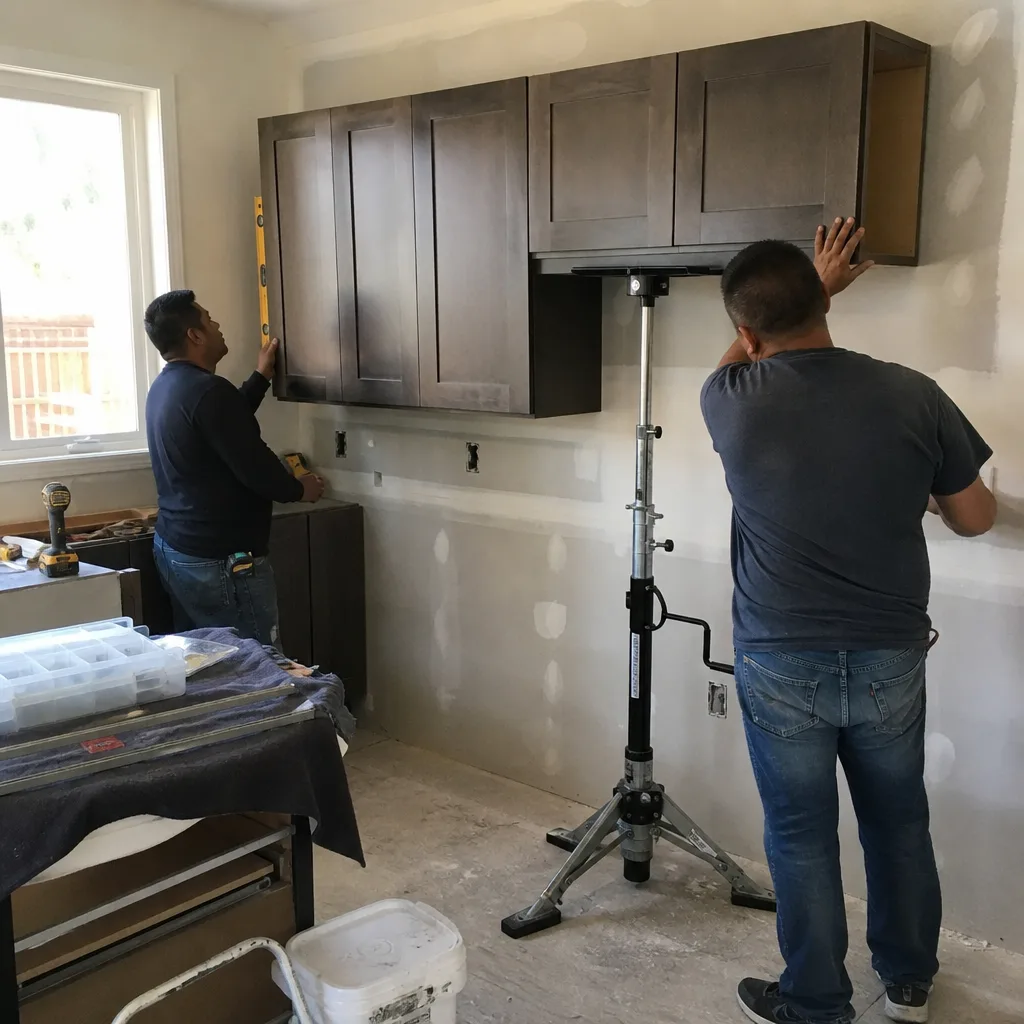
Manufacturer warranties contain installation clauses that operate independently of building code. A roof shingle can be installed to code by a skilled homeowner and still carry no warranty protection because the warranty terms require licensed contractor installation. We have reviewed warranty documents from the fifty-plus brands we specify, and three clauses appear consistently across roofing, windows, and major appliances.
The “Licensed Contractor” Clause. GAF’s Golden Pledge Limited Warranty, for example, requires installation by a GAF Master Elite contractor - a credential that requires state licensing, insurance verification, and ongoing training. Owens Corning’s Platinum Protection similarly restricts full warranty coverage to Preferred Contractor installations. DIY installation of either brand leaves the homeowner with only the basic material warranty, which covers manufacturing defects but not installation errors, and which typically runs 5-10 years rather than the 25-50 years of the full system warranty. For a roofing project in Rancho Cucamonga, where summer attic temperatures regularly exceed 150°F and accelerate thermal cycling damage, the installation warranty is the economically significant coverage.
The “Permit Documentation” Clause. PGT and CGI window warranties (both common in Rancho Cucamonga’s inland market for their impact resistance and thermal performance) require permit documentation as a condition of warranty transfer and, in some product lines, as a condition of initial validity. The warranty language typically states that “installation must comply with all applicable building codes,” which California courts have interpreted to mean permitted installation with final inspection approval. A homeowner who self-installs without a permit cannot produce the required documentation.
The “Original Purchaser” Restriction. Many appliance warranties, including those from Rheem, Bradford White, and AO Smith water heaters, define “original purchaser” as the party who purchased both the unit and the installation from an authorized dealer or licensed contractor. A homeowner who purchases a water heater at a supply house and installs it themselves may be denied warranty coverage on this basis alone, even if the installation is technically competent.
The financial impact is specific. A kitchen remodeling project in Rancho Cucamonga with Cambria countertops and KraftMaid cabinets represents a material investment of $15,000-$35,000 in product alone. Cabinet warranties typically cover finish defects and hardware failure for 5-10 years; countertop warranties cover structural integrity for 10 years or lifetime, depending on product tier. Neither warranty requires licensed installation, but both require installation “in accordance with manufacturer instructions” - and the instructions for both specify level, plumb, and secured installation that most DIYers underestimate in complexity. A cabinet that goes out of level because the floor was not properly prepared, or a countertop that cracks because the substrate was insufficient, is not a warranty claim. It is a replacement cost borne entirely by the homeowner.
Under Clause 1 of The Haven Standard, Rowan Construction Group delivers a written price before any work starts, and that written scope includes the specific warranty documentation the customer will receive. We do not proceed without this documentation in hand, because a project without transferable warranties is a project with hidden future cost.
The True Cost of DIY: A Rancho Cucamonga Accounting Template
The standard DIY cost comparison - materials versus contractor bid - omits four categories of cost that frequently determine true net outcome. Here is the accounting framework we use when homeowners in Rancho Cucamonga’s Terra Vista, Victoria Arbors, or Etiwanda Preserve neighborhoods ask us to evaluate a DIY approach.
| Cost Category | Typical Rancho Cucamonga Range | Notes |
|---|---|---|
| Materials (retail) | 100% of contractor material cost | Contractors pay wholesale; retail markup is 15-40% depending on product category |
| Tools (acquisition or rental) | $200-$2,500 per project | Wet tile saw, pneumatic nailer, compressor, laser level - or daily rental at $45-$85/day |
| Error budget (materials + labor to redo) | 15-30% of initial material cost | Based on our 4,000-project record: DIY errors requiring partial redo occur in roughly 35% of projects where homeowners attempted their own structural, plumbing, or electrical work |
| Time at opportunity cost | $25-$75/hour (local professional rate range) | A kitchen backsplash takes 8-12 hours for a first-timer; a bathroom remodel takes 80-200 hours |
| Permit and inspection fees (if pursued) | $150-$800 | Rancho Cucamonga uses San Bernardino County fee schedules; plan check fees add $200-$400 for projects requiring engineered drawings |
| Remediation reserve (if unpermitted work discovered) | 250-400% of original contractor bid | Covers opening finished surfaces, engineering review, sequential inspections, and re-finish |
Apply this to a concrete example: a 5-square roof repair on a single-story home in Rancho Cucamonga’s central valley, using Tamko Heritage shingles (a brand we specify for its local availability and wind warranty in inland climates). Contractor bid: $3,200-$4,100 including tear-off, underlayment, drip edge, disposal, and permit. DIY materials at retail: $1,400-$1,800. Tool rental (nail gun, compressor, safety harness for 6:12 pitch): $340 for a three-day rental. Error budget (15%): $210-$270. Time: 16-24 hours at $35/hour opportunity cost = $560-$840. Total DIY cost: $2,510-$3,250 - without warranty, without workmanship guarantee, and with personal injury exposure on a sloped roof in 90°F-plus Rancho Cucamonga summer conditions.
The net savings, if nothing goes wrong, is $690-$1,590. The cost if the error budget is triggered: DIY exceeds contractor bid by $200-$600, with no warranty and no recourse. This is why we deliver a written price before any work starts - the number is knowable, and the comparison should be made against the full cost, not the partial one.
Safe DIY Projects in Rancho Cucamonga: What’s Actually Low-Risk
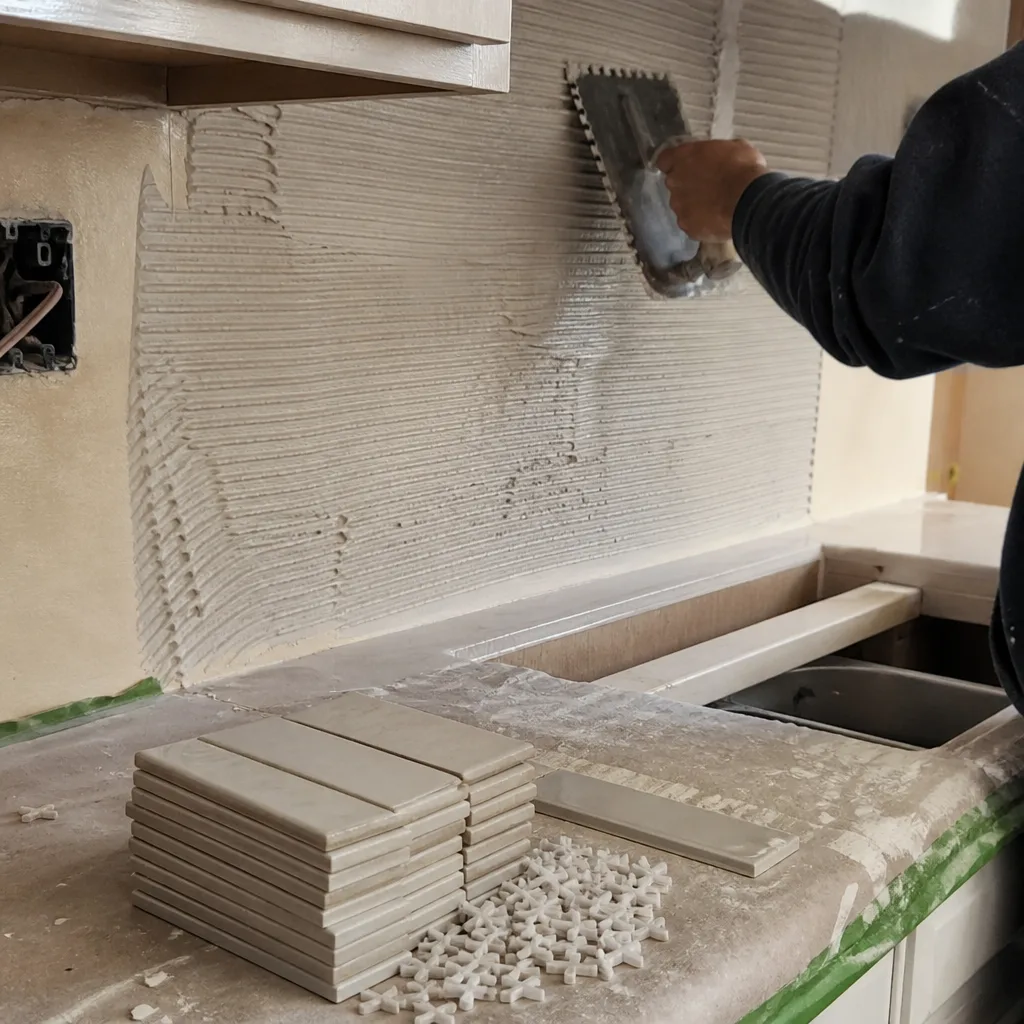
Certain projects carry no permit requirement, no warranty implication, and limited insurance exposure. These are the tasks where DIY is legally straightforward and often financially sensible for Rancho Cucamonga homeowners.
Interior painting. No permit required. No manufacturer warranty on paint application (warranty covers product defects only). Insurance exposure is limited to spill damage, which standard homeowner’s policies cover. The critical variable is surface preparation - Rancho Cucamonga’s dry climate and temperature swings between summer (often 100°F+) and winter (occasional frost) create expansion and contraction stress on drywall joints. Proper patching with setting-type compound (not premixed) and adequate cure time before painting prevents the callback pattern we see in professionally painted homes where prep was rushed.
Cabinet hardware replacement. No permit. No warranty implication for hardware (warranty covers manufacturing defects, not installation). The only risk is over-torquing screws in particleboard or MDF cabinet doors, which strips the substrate. Use a manual screwdriver for final tightening, or set a clutch driver to its lowest setting. For kitchen remodeling in Rancho Cucamonga, hardware refresh is a common intermediate step homeowners take before committing to full cabinet replacement.
Tile backsplash in non-wet areas. Behind a cooktop or on a dry bar wall, ceramic or porcelain tile backsplash installation requires no permit. The substrate must be clean, flat, and properly primed; mastic is acceptable for dry areas (thinset is required for wet areas, which triggers permit considerations if near plumbing). Rancho Cucamonga’s low humidity is advantageous - cure times are predictable, and mold risk behind the tile is minimal. The error cost is contained: failed tile in a backsplash is unsightly but not structurally consequential, and removal and replacement is a weekend project, not a $5,000 remediation.
Landscape grading under 50 cubic yards. California grading ordinances and Rancho Cucamonga’s local implementation (based on San Bernardino County standards) exempt grading under 50 cubic yards from permit requirements, provided the work does not alter drainage onto adjacent properties, does not occur within a hillside area (specifically defined in the city’s General Plan), and does not involve cut or fill slopes exceeding 3 feet in height. This covers most residential planter beds, minor lawn regrading, and patio subgrade preparation. The exemption is specific: exceed any threshold, and a grading permit with geotechnical review may be required. In the foothill areas north of Base Line Road, the hillside exemption is particularly important - what appears to be a minor grade change may trigger geological review due to slope stability concerns.
Interior door replacement in existing openings. No permit required for like-for-like replacement in existing, unmodified openings. Warranty applies to the door unit, not the installation. The skill requirement is precise shimming and proper hinge mortising - errors produce binding doors, not code violations.
Insurance Exposure: How Your Policy Treats Unpermitted Work
Standard homeowner’s insurance policies in California contain exclusions that create asymmetric risk between licensed contractor work and DIY work. The relevant language appears in the “Neglect” or “Ordinance or Law” exclusions of the ISO HO-3 standard policy form, which most California insurers use as a base.
The Neglect Exclusion. Standard policy language excludes coverage for damage caused by “neglect,” defined as failure to use all reasonable means to save and preserve property at and after the time of loss. Insurance adjusters have interpreted unpermitted electrical work as neglect when it causes fire damage, on the theory that a reasonable homeowner would have engaged a licensed electrician for panel work. This interpretation is not uniform - some courts have rejected it - but the claims litigation cost falls on the homeowner during the dispute period.
The Ordinance or Law Exclusion. Most policies limit coverage for loss caused by enforcement of building codes to 10% of the dwelling coverage, or exclude it entirely unless specific ordinance coverage is purchased. Unpermitted work that is discovered after a loss - a water heater that leaks and causes floor damage, for example - may trigger both the water damage claim and a code enforcement response that requires removal of the unpermitted installation. The cost of bringing the installation to code is not covered under standard ordinance coverage if the work was unpermitted at the time of loss.
The Workmanship Exclusion. All standard policies exclude coverage for damage caused by “faulty, inadequate, or defective” workmanship. This exclusion applies regardless of who performed the work - licensed contractor or homeowner. The critical difference is recourse: a licensed contractor carries general liability insurance and a contractor’s bond (California requires $25,000 for active licenses) that provides a recovery path for workmanship defects. A homeowner has no such backstop for their own work. When a bathroom remodeling project in Rancho Cucamonga involves waterproofing a shower pan, the workmanship exclusion means that any failure of that waterproofing - whether by contractor or homeowner - is not an insurance event. The difference is that the contractor’s insurance and bond provide alternative recovery; the homeowner’s DIY work does not.
Before starting any DIY project with potential permit or code implications, locate these three provisions in your policy declarations and exclusions. The specific policy form number (HO-3, HO-5, or California-specific equivalent) and any endorsements determine your actual coverage. If you cannot locate the language, request a coverage opinion from your agent in writing - not a verbal assurance.
Kitchen and Bathroom Remodeling: Where the Line Falls
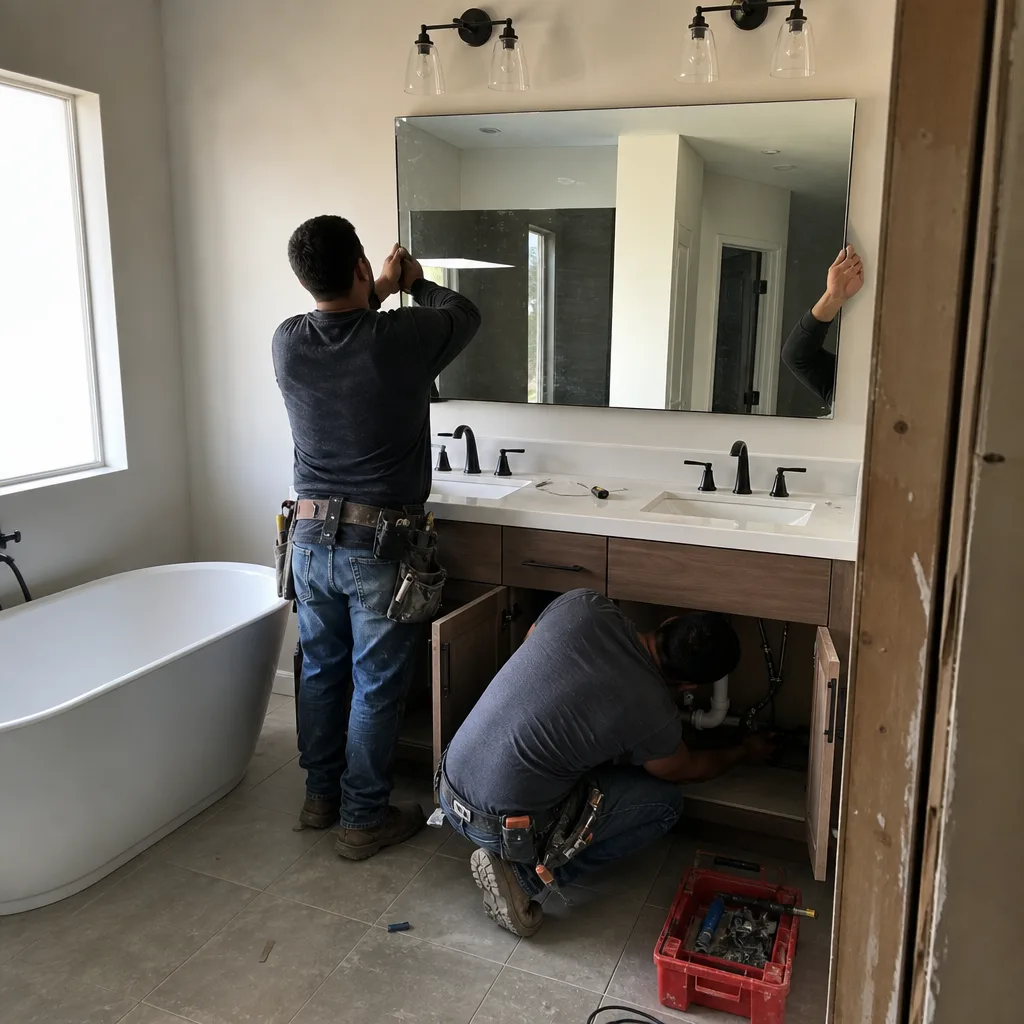
Kitchen and bathroom projects span the full spectrum from straightforward DIY to permit-required professional work, often within the same room. Understanding where the line falls prevents the common pattern of starting DIY and discovering mid-project that a permit-triggering element has been encountered.
In a kitchen, these elements are DIY-appropriate: cabinet hardware replacement, interior painting, backsplash tile in dry areas (as described above), and appliance replacement in existing, properly configured openings (electric range for electric range, gas range for gas range, with no modifications to fuel type or venting). These elements require licensed contractor work: any electrical circuit modification, gas line work, structural wall modification, window replacement in altered openings, and plumbing relocation.
The trap in Rancho Cucamonga’s housing stock - particularly the 1980s-2000s tract homes in neighborhoods like Victoria Groves and Rancho Etiwanda - is the “simple” kitchen island addition that requires a new electrical circuit for outlets or a vented downdraft cooktop. The new circuit triggers electrical permit requirements. The island’s attachment to the slab may require epoxy anchors into post-tensioned concrete, which carries structural implications. What presents as a weekend project becomes a permitted, multi-trade job.
In bathrooms, the line is clearer because wet-area waterproofing is unforgiving. California Plumbing Code Section 408.5 requires shower pan liners and waterproofing to be inspected before tile installation - a “rough plumbing” inspection that cannot be self-certified. The International Plumbing Code provisions adopted by California also require specific flood-level rim heights and venting configurations that DIYers frequently misunderstand. A bathroom remodeling project in Rancho Cucamonga that includes shower or tub replacement should be treated as contractor-required work, not because the tile setting is beyond a skilled homeowner, but because the waterproofing inspection and permit sequence is not optional.
We have documented this pattern in our photo records: homeowners who completed beautiful tile work, only to discover at the city’s rough inspection that the pan liner was improperly lapped or the curb height was non-compliant. The remediation requires removing finished tile, correcting the substrate, and re-inspecting - a cost that typically exceeds the original contractor bid for the full project.
Roofing and Windows: Why DIY Rarely Pays
Roofing and window replacement share three characteristics that make DIY particularly risky: high material cost with warranty contingent on installation quality, significant injury exposure, and permit requirements that are easy to overlook but costly to remediate.
Roofing. A Rancho Cucamonga roof operates in one of California’s more demanding thermal environments. Summer attic temperatures reach 150-170°F, creating extreme thermal cycling. Winter brings occasional Santa Ana wind events with gusts exceeding 60 mph in the foothill areas. These conditions make installation quality - proper nail placement, adequate ventilation, correct underlayment - the dominant factor in roof longevity, not shingle brand.
The permit requirement is straightforward: any roof covering replacement exceeding 100 square feet requires a permit under the California Building Code. The inspection sequence includes a tear-off inspection (to verify deck condition), a dry-in inspection (underlayment and flashing), and a final inspection. A homeowner who self-installs without permits cannot obtain the manufacturer’s system warranty (as described above) and cannot demonstrate code compliance at sale.
Injury exposure is specific and severe. Falls from residential roofs account for a disproportionate share of construction fatalities in California. Rancho Cucamonga’s single-story homes with 4:12 to 6:12 pitches appear manageable but become hazardous in summer heat, with asphalt shingle surfaces reaching 140°F and causing grip fatigue. We do not recommend DIY roofing for any homeowner, regardless of perceived skill level, because the injury consequence is permanent and the savings are marginal after full cost accounting.
Windows. Replacement windows in existing openings sometimes fall under minor repair exemptions, but the exemption is narrow: the opening dimensions cannot change, the structural header cannot be modified, and the installation cannot require new flashing integration with the weather-resistive barrier. Most “replacement” window projects in Rancho Cucamonga’s aging housing stock - particularly the aluminum-frame homes of the 1970s and 1980s - encounter at least one of these triggers when the original window was improperly flashed or the frame has suffered dry rot.
PGT and CGI windows, which we specify for their impact ratings and thermal performance in inland climates, require specific installation methods to maintain warranty coverage. The installation must include proper sill pan flashing, head flashing with end dams, and integration with the wall’s water management system. These are not intuitive techniques; they are learned skills that require specific training and repeated practice. A window installed without proper flashing may appear correct for years, until wind-driven rain finds the gap and causes concealed damage to the wall cavity. By the time the damage is visible, the warranty claim is denied for improper installation, and the repair requires siding removal, structural drying, and potentially framing replacement.
Common Mistakes to Avoid
- Assuming that “like-for-like” replacement never needs a permit. In Rancho Cucamonga, water heater replacement, HVAC equipment changeouts, and electrical panel upgrades all require permits even when the new unit matches the old unit’s specifications. The permit is for the installation, not the product change.
- Using online permit calculators without verifying local amendments. San Bernardino County’s shared services model means Rancho Cucamonga enforces specific local amendments to state code, particularly for hillside construction, fire-resistant construction in wildland-urban interface zones, and solar readiness requirements. A general California permit guide may not capture these.
- Buying materials before confirming warranty installation requirements. We have reviewed too many projects where homeowners purchased premium roofing shingles or windows at retail, only to discover that the full warranty requires installation by a certified contractor. The material is non-returnable, and the warranty value is lost.
- Ignoring the “workmanship” exclusion in homeowner’s insurance. Many Rancho Cucamonga homeowners assume their policy covers water damage from a leaking shower pan or roof leak, regardless of cause. The workmanship exclusion means it does not, and the distinction between sudden accidental discharge (covered) and gradual leakage from installation defect (excluded) is often resolved against the homeowner.
- Starting demolition before identifying all permit-triggering elements. The most expensive pattern we see: a homeowner begins a bathroom renovation, discovers asbestos-containing mastic or non-compliant electrical, and now faces abatement contractors and permit delays that a pre-project assessment would have revealed. Our documented photo record process, included standard on every visit, is designed to prevent exactly this scenario.
- Valuing time at zero. The opportunity cost of DIY is real, and in Rancho Cucamonga’s professional employment market - with median household incomes exceeding $90,000 - a homeowner’s time is worth $35-$75 per hour at minimum. A 40-hour DIY project that “saves” $1,200 in labor costs $1,400-$3,000 in foregone income or leisure value.
- Failing to budget for the “oops” factor. Our 4,000-project record shows that DIY structural, plumbing, or electrical work requires partial or full redo in approximately 35% of cases. Homeowners who budget only for materials and ideal-case execution consistently underestimate true cost.
When to Call a Professional
Call a licensed contractor when your project involves electrical panels, structural modifications, water heaters, HVAC equipment, roofing, wet-area waterproofing, or any work in Rancho Cucamonga’s hillside or wildland-urban interface zones where local amendments complicate permit requirements. Call when the manufacturer’s warranty matters to your long-term cost calculation. Call when your homeowner’s insurance policy contains workmanship or ordinance exclusions that would leave you exposed.
Rowan Construction Group Rancho Cucamonga offers free estimates in Rancho Cucamonga - call (909) 373-9612. We will review your project scope, identify permit requirements, and deliver a written price before any work starts, with a documented photo record on every visit and a 365-Day Done Right Promise backed by The Haven Standard. Bring a competitor’s written estimate and we will review it line by line at no charge.
Frequently Asked Questions
A kitchen remodel permit in Rancho Cucamonga typically costs $400-$1,200 in base fees, plus $200-$400 for plan check if engineered drawings are required for structural or electrical changes. The total depends on project valuation, which the city calculates based on estimated construction cost. Call (909) 373-9612 for an exact quote on your specific scope - estimates are free.
Standard policies exclude damage caused by faulty workmanship, which includes improper waterproofing or plumbing installation, regardless of who performed the work. The critical difference is that a licensed contractor’s general liability insurance and bond provide alternative recovery; your DIY work does not. Review your policy’s workmanship exclusion before starting any wet-area renovation.
No. GAF, Owens Corning, and most major manufacturers require installation by certified contractors to activate system warranties. DIY installation leaves you with only the basic material defect warranty, typically 5-10 years versus 25-50 years for full system coverage. For roofing in Rancho Cucamonga’s high-thermal-cycling climate, the installation warranty is the economically significant protection.
Interior painting, cabinet hardware replacement, tile backsplash in dry areas, interior door replacement in existing openings, and landscape grading under 50 cubic yards (outside hillside zones) do not require permits in Rancho Cucamonga. Always verify current requirements with the Building and Safety Division at 10500 Civic Center Drive before starting, as amendments occur.
California Business and Professions Code Section 7048 requires a contractor’s license for any project with a total contract price of $500 or more for labor and materials combined, if the work involves any trade regulated by the Contractors State License Board. This threshold is cumulative - a $300 electrical job plus $300 plumbing job equals $600 and requires licensing. The $500 threshold applies to the total project value, not per-trade value.
You should receive: a signed contract with written scope and fixed price; permit applications with final inspection approvals; manufacturer warranty registrations with your name as owner; and a documented photo record of work in progress and completion. Under The Haven Standard, Rowan Construction Group delivers all of these as standard, not as upgrades. Unpermitted DIY work cannot produce this documentation, which creates disclosure obligations and buyer negotiation leverage at sale.
The Bottom Line
The DIY-versus-hire decision in Rancho Cucamonga is not a test of skill or enthusiasm. It is a legal and financial calculation determined by California permit law, manufacturer warranty terms, and insurance policy exclusions that operate regardless of installation quality. The projects where DIY is genuinely low-risk - interior painting, hardware replacement, dry-area tile, minor grading - are defined by the absence of these constraints. The projects where professional work is economically superior - electrical, structural, plumbing, roofing, windows - carry permit requirements and warranty conditions that convert apparent savings into net losses when attempted without licensing. Before starting any project, verify your permit status, locate your insurance exclusions, and confirm your warranty requirements in writing. The number you need is knowable; the documentation you need is deliverable.
Written by Grant Rowan, Owner at Rowan Construction Group Rancho Cucamonga, serving Rancho Cucamonga since 2007.