
Free written scope consultation - allowances, timeline, and change-order rules on paper before a single trade is scheduled
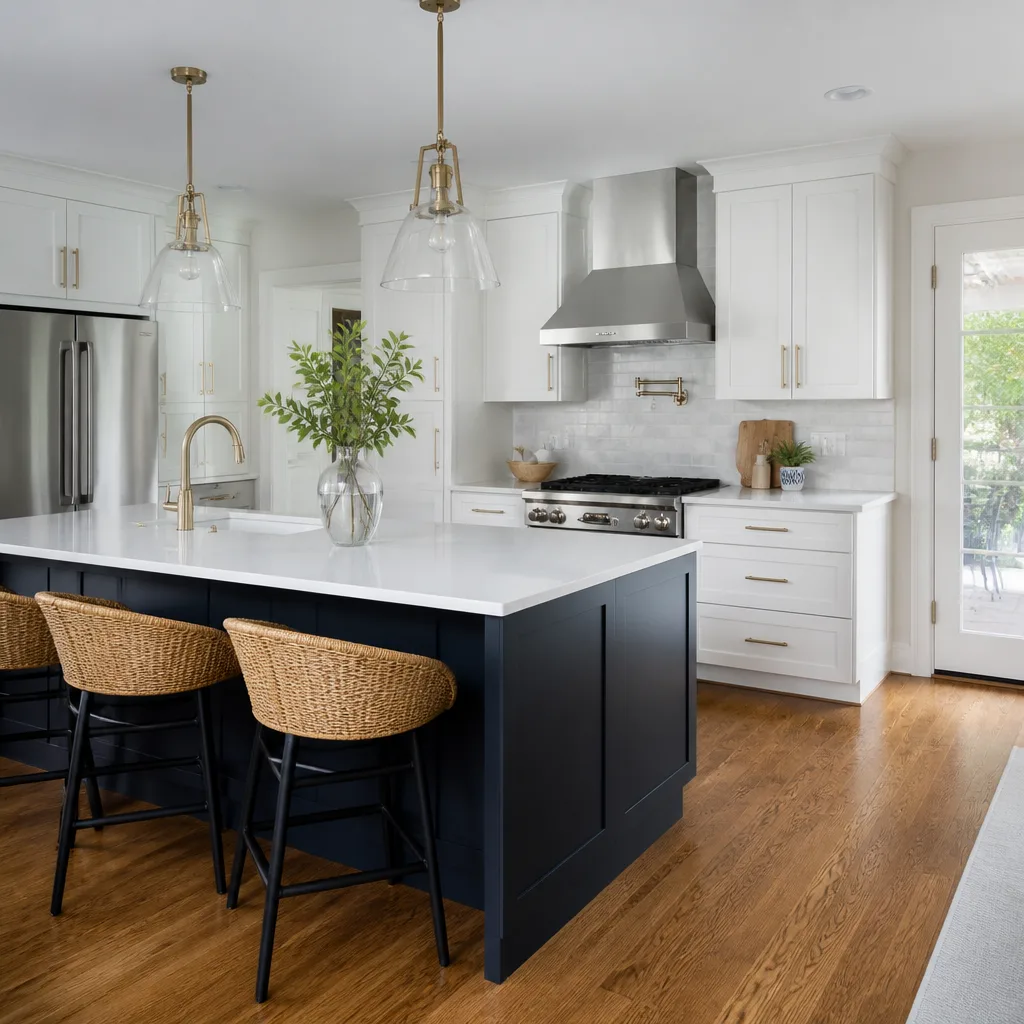
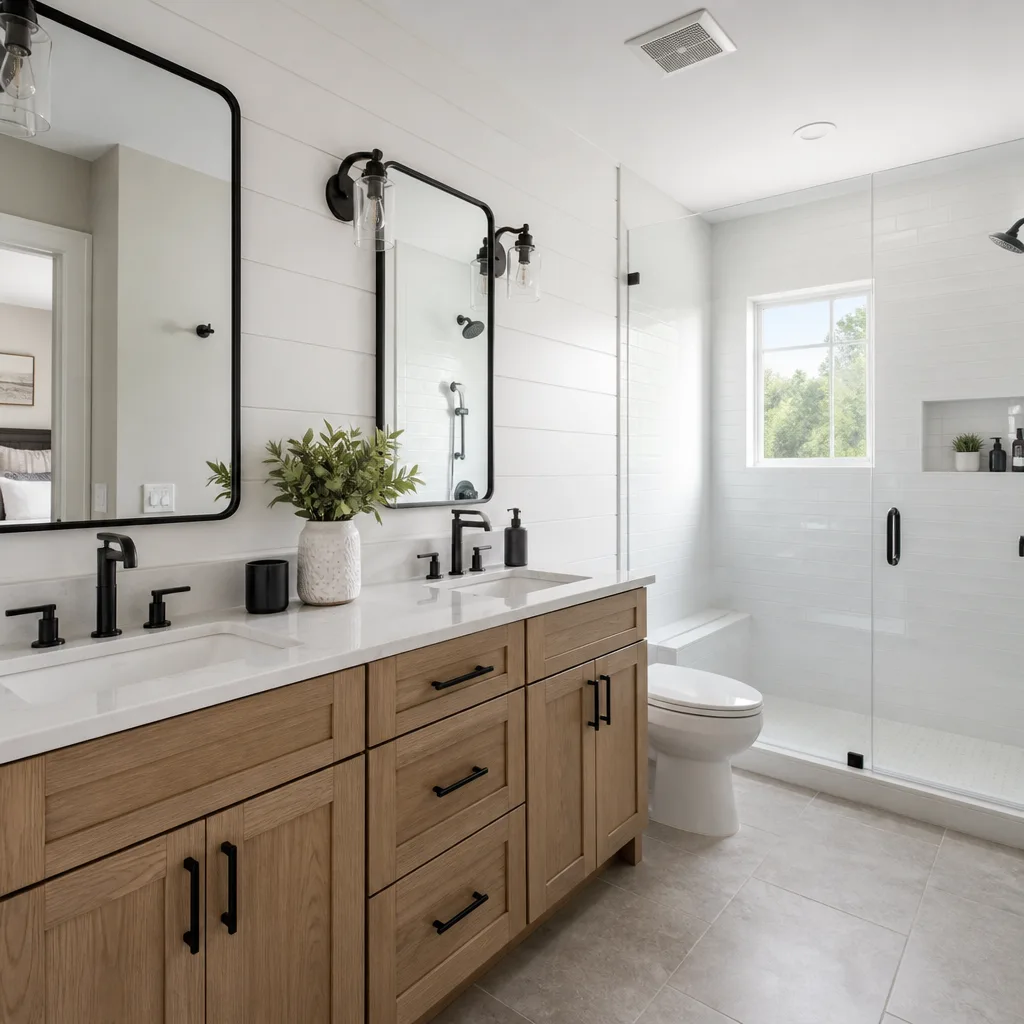
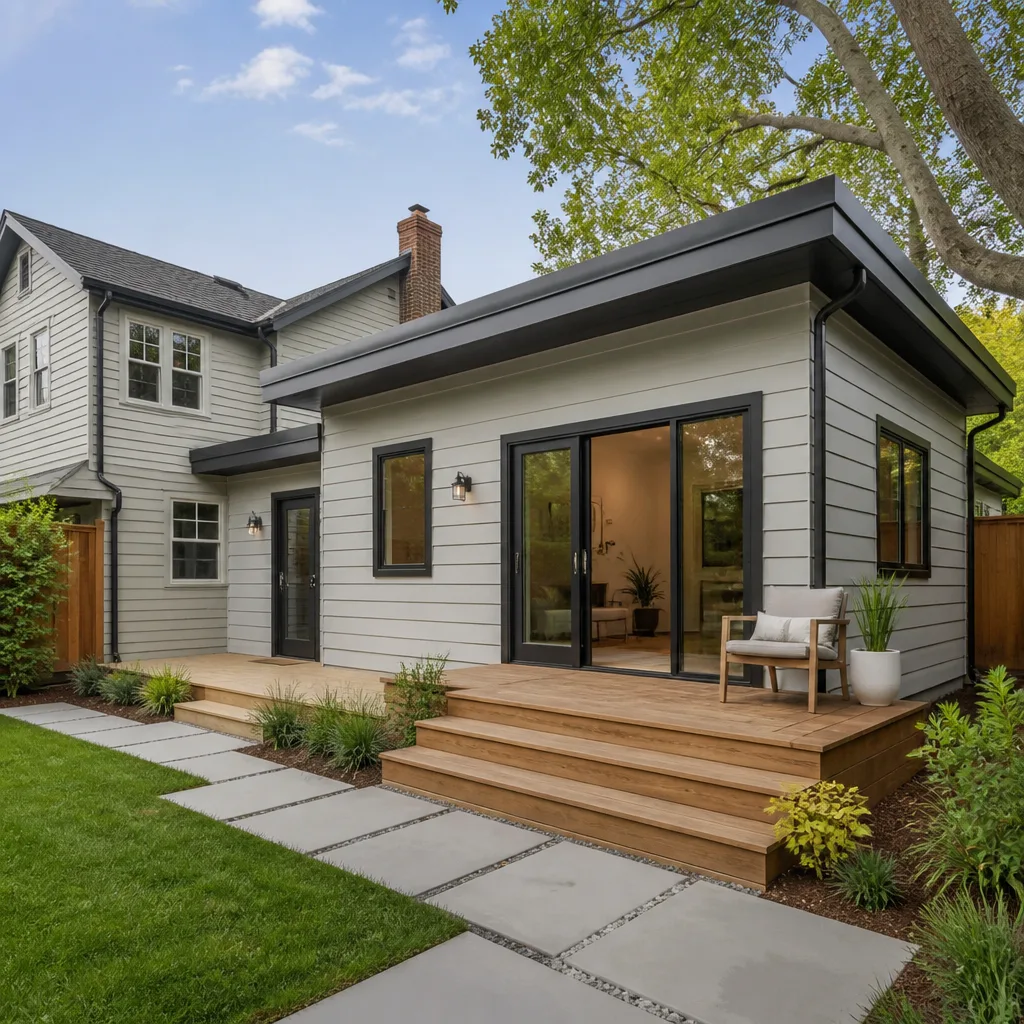
 Before
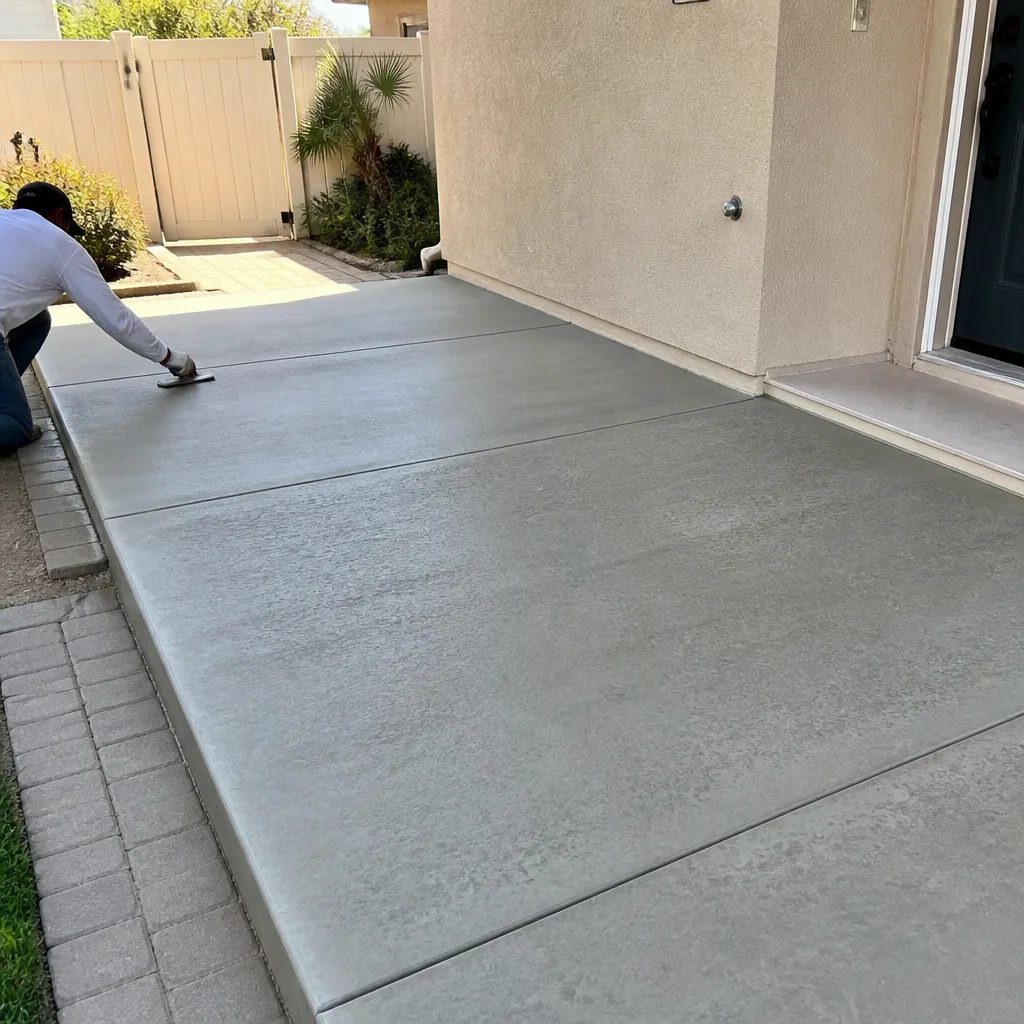 After
After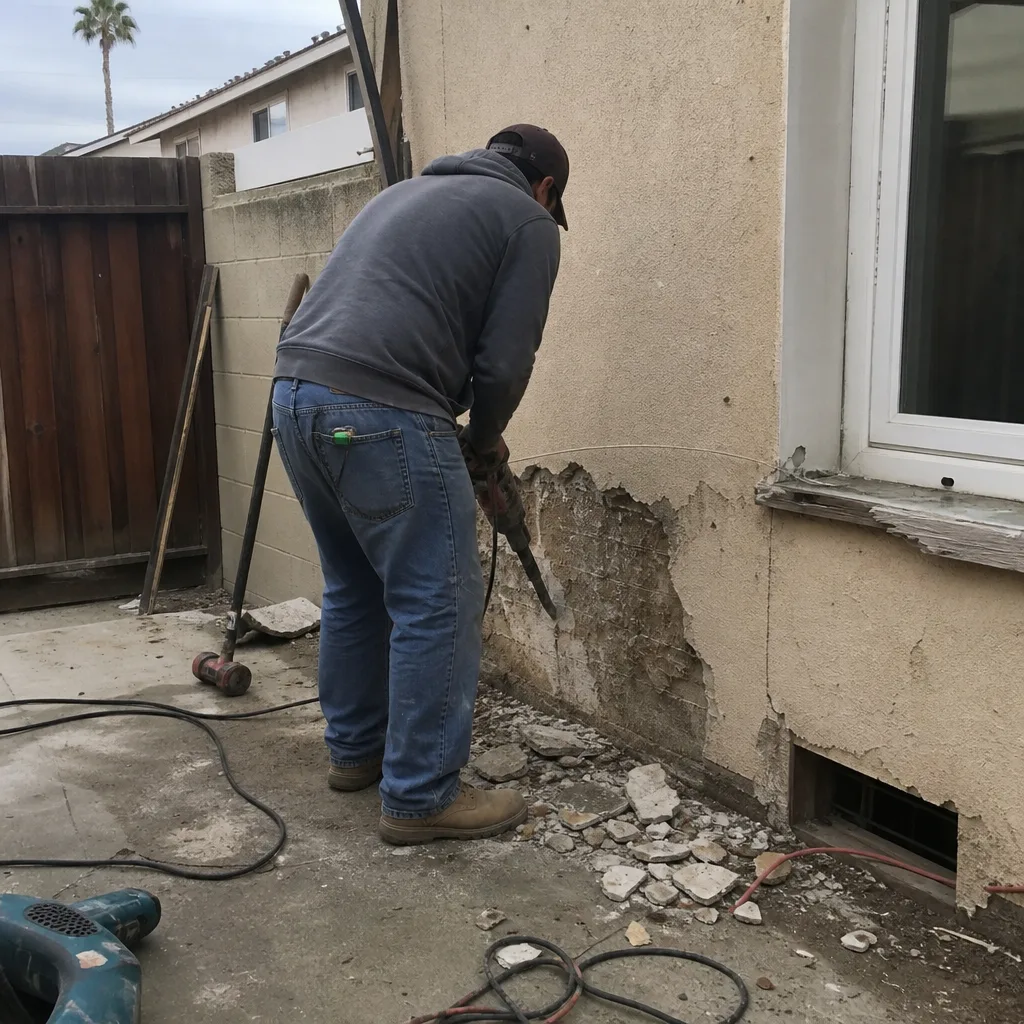 Before
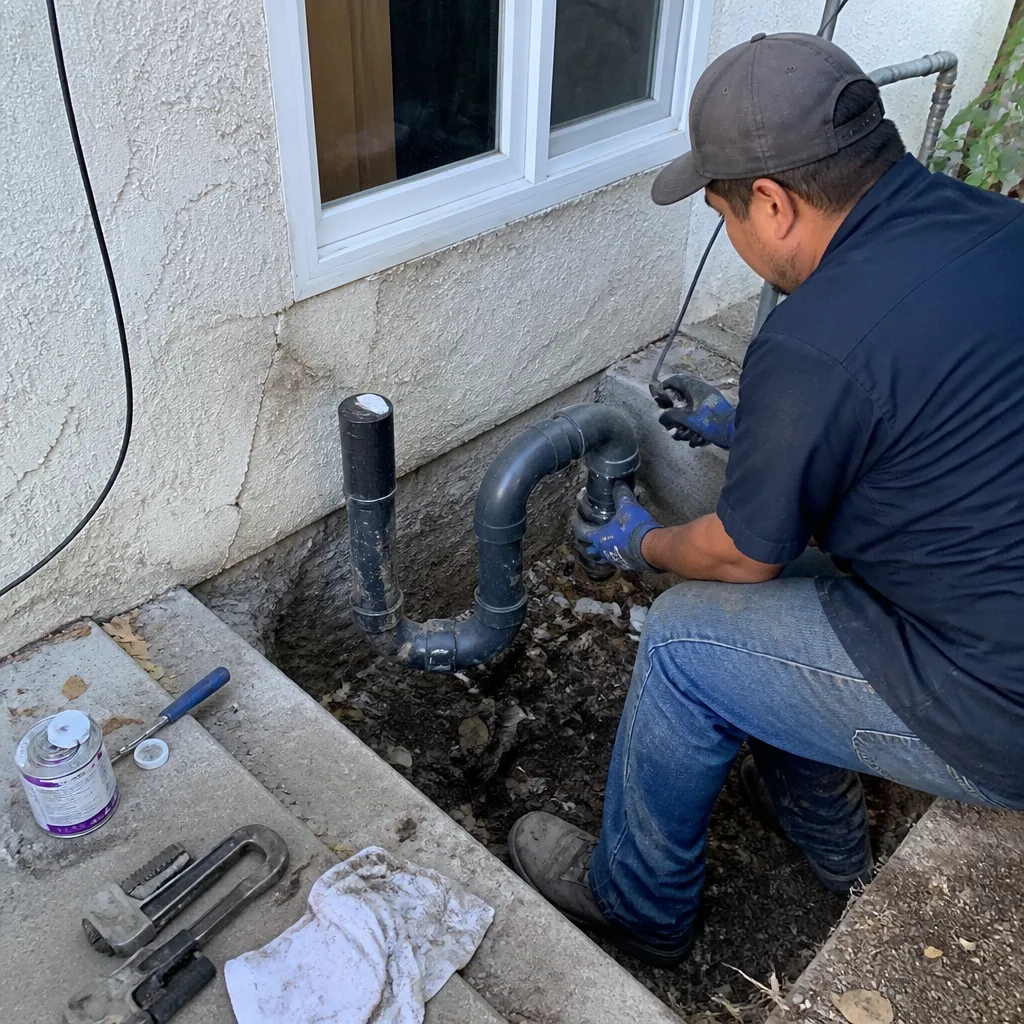 After
After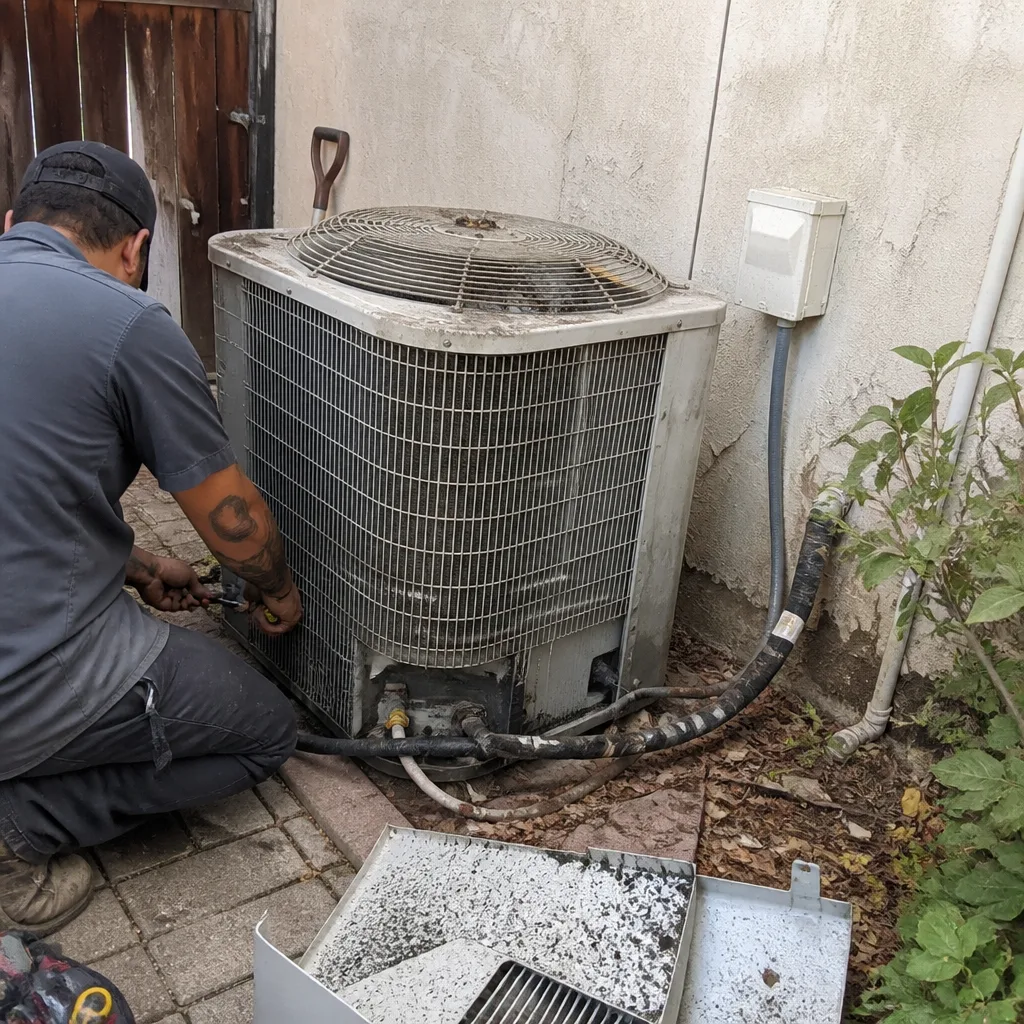 Before
 After
AfterQuikrete Roofing: The Rancho Cucamonga Owner’s Guide
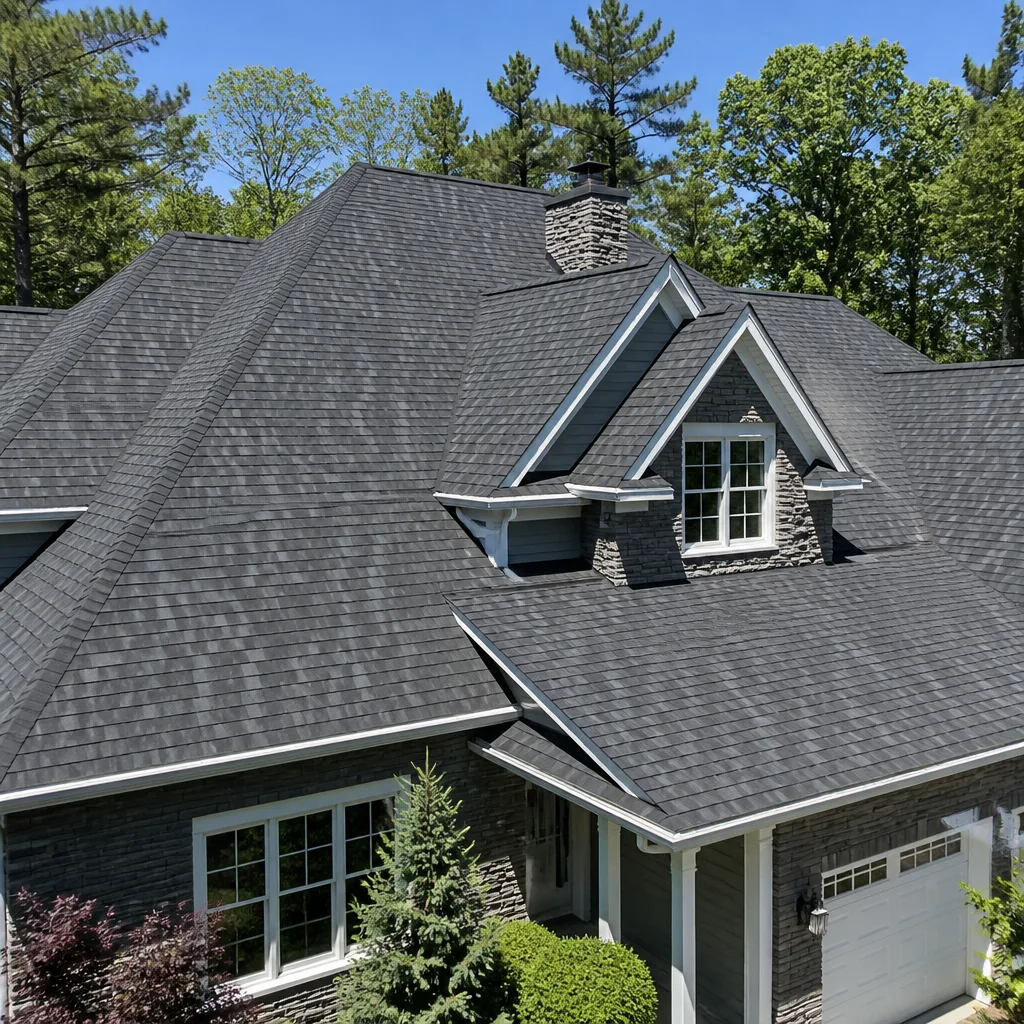
Quikrete roofing systems in Rancho Cucamonga typically run $400-$1,800 to repair and $8,000-$20,000 for full replacement, with most Quikrete-compatible membrane and coating jobs scheduled within 48 hours. We stock Quikrete waterproofing membranes, acrylic elastomeric coatings, and trowel-grade patching compounds on our Rancho Cucamonga trucks, so we’re not waiting on a supplier when your roof is showing daylight. Most owners discover a Quikrete roofing failure after the first hard Santa Ana wind season, when hairline cracks in the elastomeric coat open up and the plywood beneath starts telegraphing through - or when a ceiling stain appears directly below a parapet wall that was sealed with Quikrete’s trowel-grade material five summers back.
Which Quikrete Models This Applies To
Quikrete does not manufacture complete roofing systems in the way GAF or Owens Corning does. What we encounter in Rancho Cucamonga are roofs where Quikrete products were used as the waterproofing layer - typically the Quikrete Acrylic Elastomeric Roof Coating (series 5010, 5011, and the heavier 5012 build-grade), the Quikrete Trowel Grade Patching Compound, or the Quikrete Waterproofing Membrane used under tile or as a direct-buried barrier on flat sections. The product code is printed on the bucket lid or the rolled membrane edge; if you’re reading a faded label, the 5010 series is standard white at 2-mils dry, the 5011 is gray tintable at 3-mils, and the 5012 is the walkable build coat at 5-mils plus. Matching matters because these products are formulated to bond to themselves; slapping a generic elastomeric over a Quikrete base layer is a common Rancho Cucamonga callback we see after the first summer, when thermal expansion separates incompatible films.
OEM Quikrete is the conservative choice for warranty continuity, though we’ve had clean results with SPECIFIED aftermarket equivalents that match the solids content and elongation spec - we document the substitution in writing, per Clause 1 of the Haven Standard, before the crew opens the first bucket.
Signs Your Quikrete Roofing Is Failing
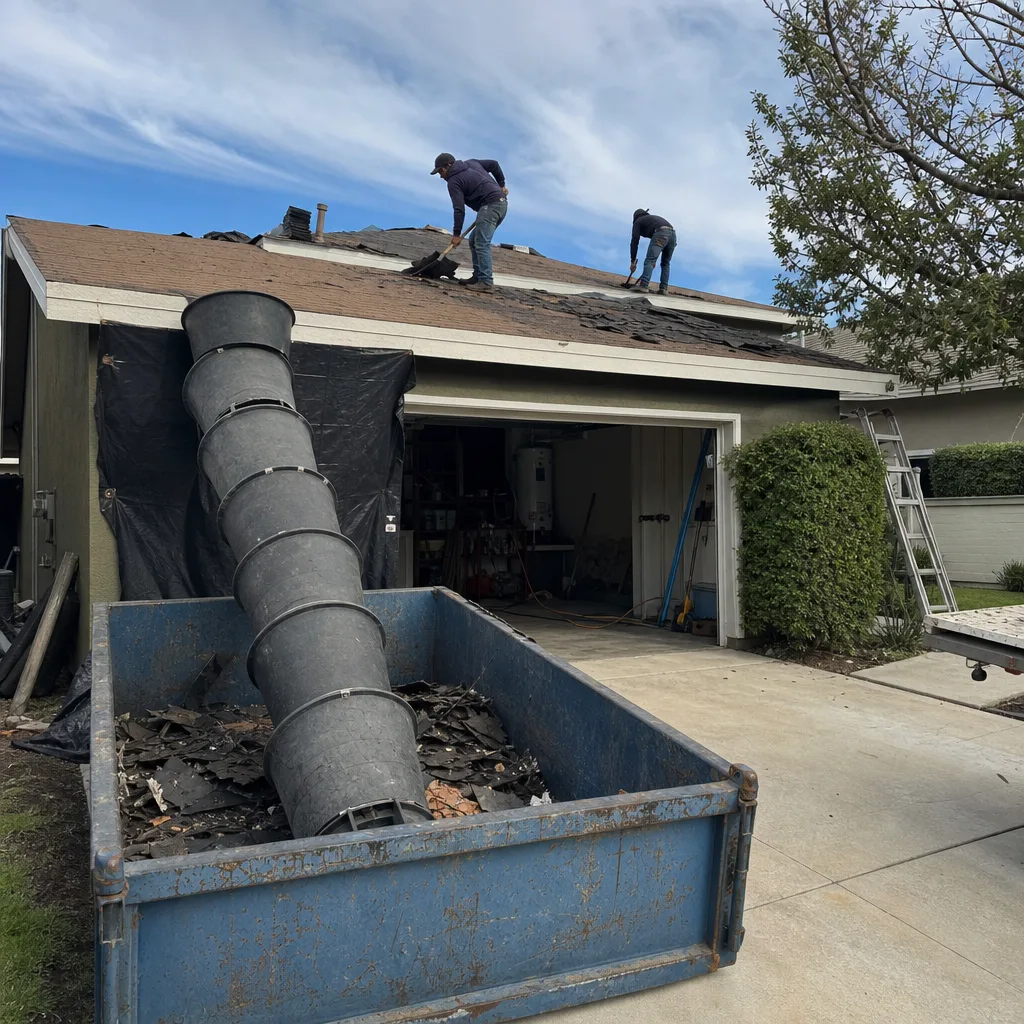
- Alligatoring or checkerboard cracking in the coating surface. This is thermal fatigue - the elastomeric has exceeded its elongation cycle count after years of 110°F Rancho Cucamonga attic temperatures. The film is now brittle and water is migrating through at stress points.
- Bubbling or blistering between coats, especially on south-facing slopes. Trapped moisture vaporized by afternoon sun lifts the membrane off the substrate. In our experience near the Foothill corridor, this shows up first where roof ventilation is marginal and Quikrete’s recommended recoat interval was stretched.
- Staining or soft spots on interior ceilings after light rain. The waterproofing layer has pinholed. Quikrete’s acrylic line is self-healing to a degree, but once the film thickness drops below 10 mils total, that property is spent.
- Granule loss or powdering when you brush the surface. UV degradation has broken down the acrylic resin. This is common in Rancho Cucamonga where reflective white coats were not maintained and the titanium dioxide load has washed out.
- Separated seams at parapet walls or pipe penetrations. The trowel-grade detail work has dried and pulled back from vertical surfaces. Quikrete’s detail compound needs a fabric embed; when that step was skipped, separation is inevitable.
 Before
 After
AfterReplacement Cost & What’s Included
Quikrete roof repair in Rancho Cucamonga runs $400-$1,800 depending on square footage, substrate condition, and whether we’re patching or recoating. A full Quikrete-compatible roof replacement - stripping to plywood, replacing compromised sheathing, and reapplying a complete Quikrete membrane or coating system - falls in our standard roof replacement range of $8,000-$20,000 for typical residential footprints.
What drives the spread: accessibility (single-story vs. multi-level), how much rotten decking we find after peel-back, and whether the original Quikrete application was done over tar-and-gravel that now has to come off too. Our written quote itemizes each layer - tear-off per square, plywood replacement per sheet, membrane or coating per gallon, labor per hour - so you see where the number comes from before anyone sets a ladder. Under the 365-Day Done Right Promise, if the coating doesn’t hold, we come back and make it right. Every job gets a documented photo record, included standard, showing before condition, substrate exposure, and finished mil thickness.
DIY or Call Us?
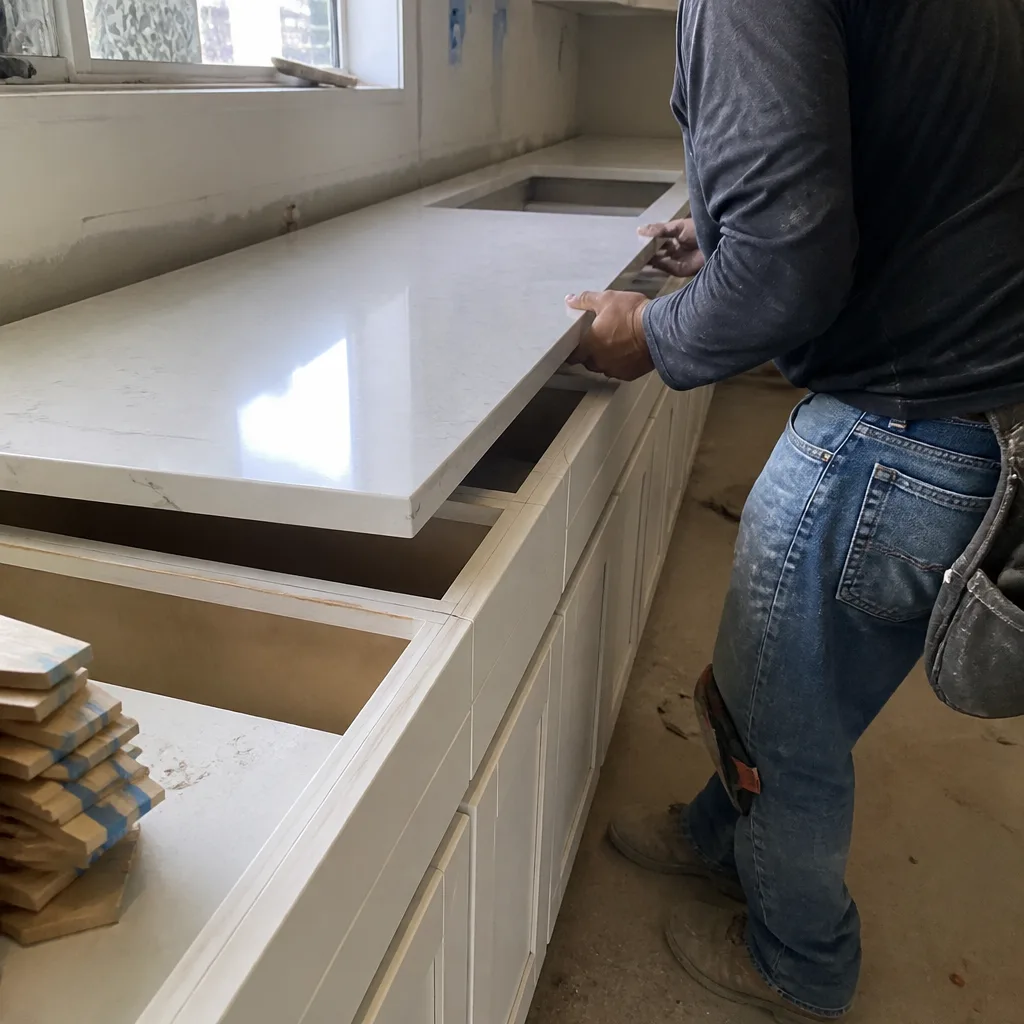
There’s a safe middle ground here. A homeowner can walk the roof - carefully, with proper fall protection - and confirm the symptoms above: photograph the cracking pattern, note the product code from any remaining bucket, check the ceiling stains for active dripping versus old marks. What you cannot safely do is apply Quikrete elastomeric or membrane products yourself on anything steeper than a low-slope walkable surface. These are wet-film applications requiring consistent mil thickness, fabric embed at transitions, and proper cure conditions that Rancho Cucamonga’s afternoon winds and dust can ruin in an hour. We’ve stripped off more failed DIY recoats than I care to count. The material isn’t forgiving; measure twice, document once, no surprises at closeout - that’s how we approach it, and it’s not a weekend project.
If you’re seeing active leaks, call (909) 373-9612. We’ll schedule a free estimate, bring the Quikrete spec sheets, and give you a written price before any work starts.
FAQs
Applied correctly with proper mil thickness, Quikrete’s acrylic elastomeric line typically holds 7-10 years in Rancho Cucamonga’s inland climate before requiring recoat. The Santa Ana wind cycles and 115°F summer roof surface temperatures accelerate UV breakdown compared to coastal zones, so we inspect Quikrete-coated roofs every three years as a preventive measure. Call (909) 373-9612 to schedule an inspection - estimates are free.
Localized failure - isolated alligatoring, separated parapet details, or pinhole clusters under 25 square feet - can be patched with matching Quikrete products and fabric reinforcement. Once the failure pattern covers more than 30% of the field or the substrate beneath is compromised, recoat or full replacement is the honest recommendation. We don’t sell patches that buy six months. Call (909) 373-9612 and we’ll show you the photos and give you both options in writing.
Most Quikrete repairs we handle in Rancho Cucamonga are completed in one to two working days, weather permitting - elastomeric coatings need 50°F and falling humidity to cure properly, so we watch the forecast. Full replacements run three to five days depending on tear-off depth and decking replacement. We don’t start until the written scope is signed, and we don’t leave until the photo record is uploaded. Call (909) 373-9612 for scheduling.
We carry Quikrete 5010, 5011, and 5012 series coatings, trowel-grade patching compound, and reinforcement fabric on our Rancho Cucamonga trucks. For larger recoat jobs, we pull directly from Quikrete’s Inland Empire distribution and can match batch dates to avoid tint variation. If your original application used a discontinued Quikrete formula, we’ll document the compatible substitution in writing before application. Call (909) 373-9612 to confirm current stock for your specific repair.
Written by Grant Rowan, Owner, Rowan Construction Group - Rancho Cucamonga, CA at Rowan Construction Group Rancho Cucamonga, serving Rancho Cucamonga and nearby areas.