
Free written scope consultation - allowances, timeline, and change-order rules on paper before a single trade is scheduled
 Before
 After
After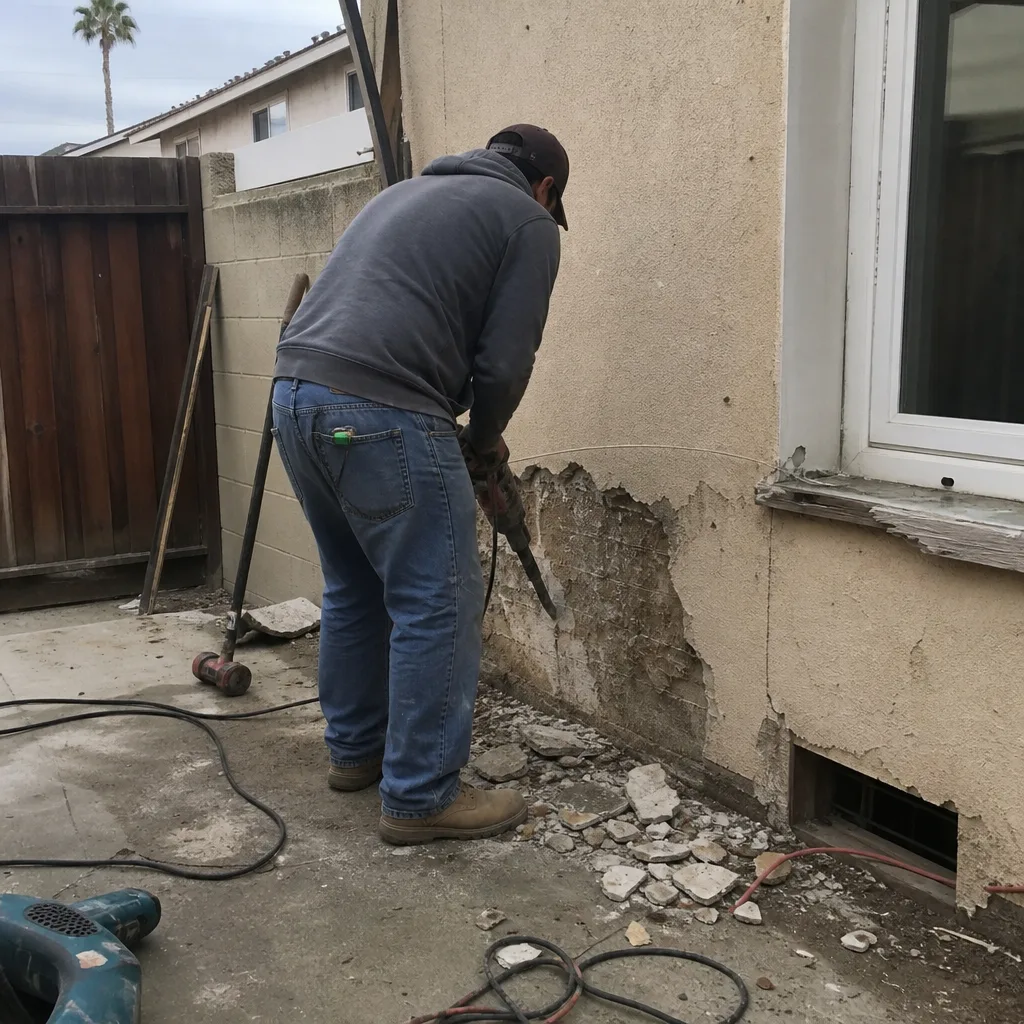 Before
 After
After Before
 After
AfterSakrete Home Additions & ADU: The Rancho Cucamonga Owner’s Guide
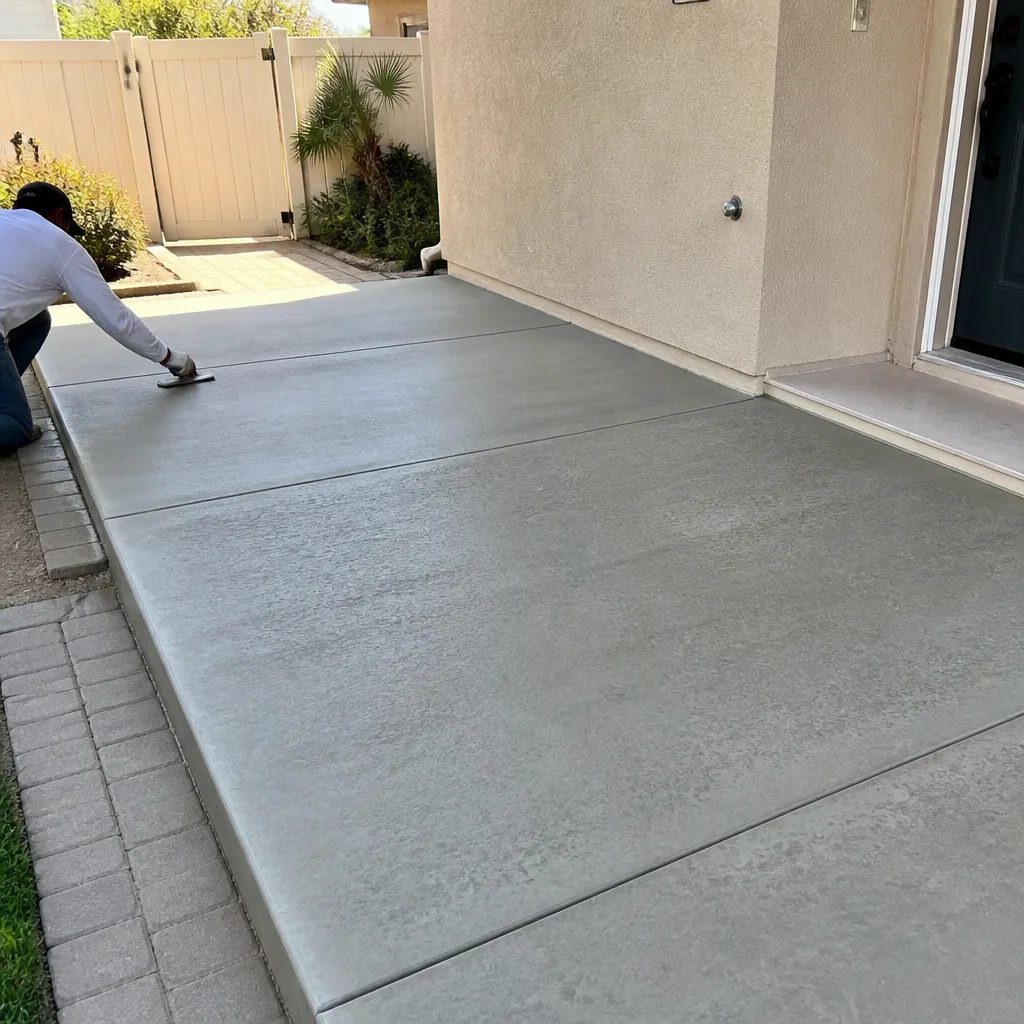
We stock and install Sakrete-compatible concrete and masonry materials for home additions and ADU foundations in Rancho Cucamonga, with typical installed pricing from $45,000 to $130,000 for full additions and $90,000 to $220,000 for detached ADUs. Most Sakrete product failures we see aren’t the mix itself but the application: improper slab thickness for Rancho Cucamonga’s expansive clay soils, missing control joints, or cold joints where the original foundation meets the new pour. Homeowners usually discover the problem when hairline cracks widen after the first rainy season, doors start sticking in the addition, or a finished floor develops a hollow sound where the slab has separated from the substrate below.
Which Sakrete Models This Applies To
Sakrete’s product line for residential construction falls into three categories we work with regularly: High-Strength Concrete Mix (the gray 60 or 80 lb. bags, compressive strength 4,000 psi at 28 days), Crack Resistant Concrete Mix (polymer-modified for thinner slabs), and Fast Setting Concrete Mix (sets in 30 minutes, often used for post footings and small pad repairs). For home additions and ADUs in Rancho Cucamonga, the critical spec is the slab thickness and rebar schedule, not the bag color. We verify compatibility by checking the original permit drawings for the specified compressive strength, typically 2,500 psi minimum for residential footings and 3,000 psi for slabs-on-grade in San Bernardino County.
The OEM-versus-aftermarket question here is slightly different than with appliances. Sakrete is the material supplier; the “part” is the engineered slab or footing system. We match the specified mix design from the structural drawings, whether that’s Sakrete, Quikrete, or a local ready-mix supplier. Where we deviate is in the reinforcement: we often upgrade from wire mesh to #4 rebar on 18-inch centers for Rancho Cucamonga’s expansive soils, a lesson learned from repair work near the Cucamonga Winery Historical Landmark corridor where older additions had settled unevenly. The rebar is the part that fails first when underspecified, not the concrete itself.
Signs Your Sakrete Home Additions & ADU Is Failing
- Diagonal cracks running from corner of door or window frames. These indicate differential settlement between the original foundation and the new Sakrete pour, usually because the addition footings weren’t tied into the existing stem wall or were poured at a different depth. In Rancho Cucamonga’s clay-heavy soils, this separation can worsen seasonally as moisture content swings.
- Floor tiles popping loose or grout crumbling in a straight line. This follows a cold joint, where the original slab and new slab were poured at different times without proper bonding preparation. The two sections move independently, and the rigid tile system can’t absorb the shear.
- Baseboard pulling away from the wall or visible gap between wall and floor. The slab has dropped or tilted, often from insufficient compaction before the Sakrete pour or from organic material in the fill that decomposed. We see this most in garage conversions where the original slab was designed for vehicle load, not living space.
- Efflorescence, a white powdery residue, blooming on interior concrete floors. Moisture is migrating through the slab, either because the vapor barrier beneath the Sakrete was punctured or omitted, or because the slab thickness is inadequate for the hydrostatic pressure in that specific Rancho Cucamonga lot.
- Exterior stucco cracking in a stair-step pattern at the addition junction. The structural connection between old and new is failing. This can be cosmetic at first but progresses to weep screed separation and water intrusion if the movement continues unchecked.
 Before
 After
AfterReplacement Cost & What’s Included
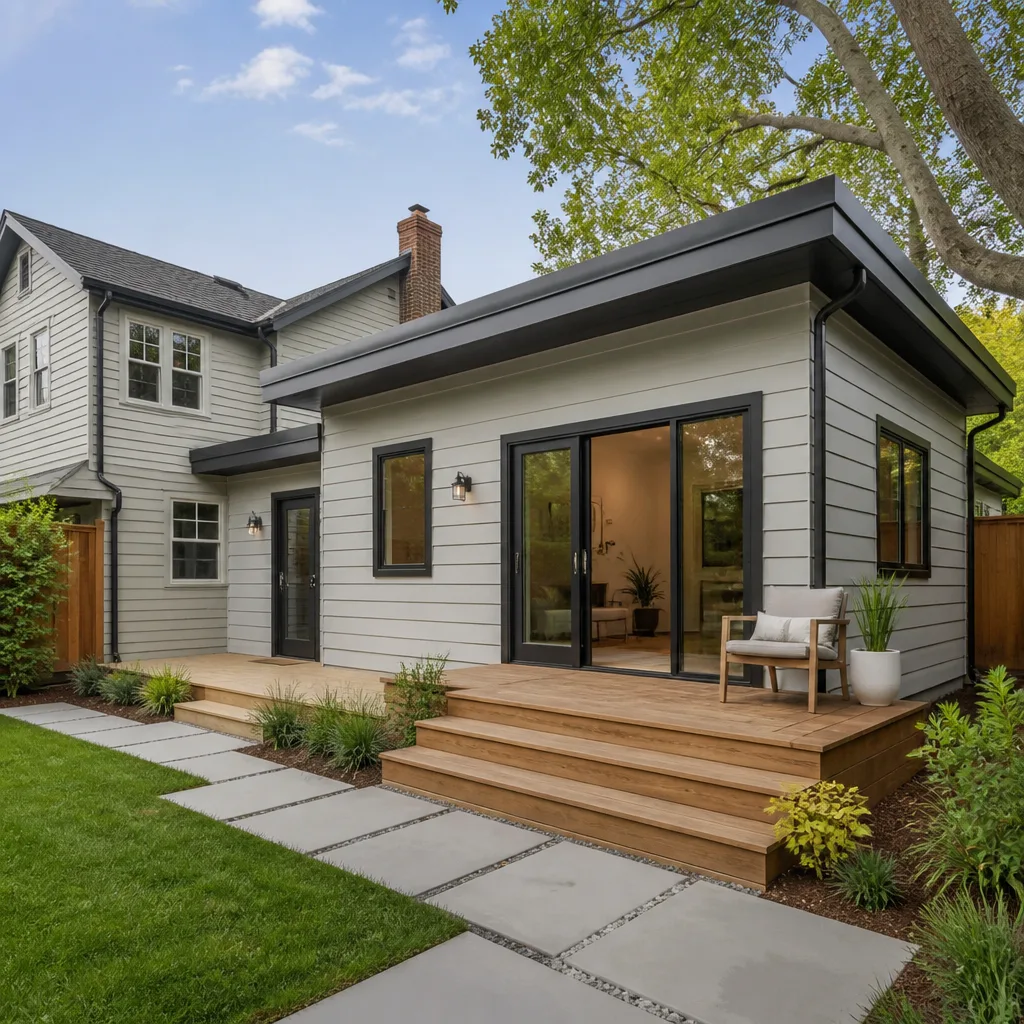
For a full home addition in Rancho Cucamonga, our installed range runs $45,000 to $130,000 depending on square footage, foundation type (slab-on-grade versus raised floor), and whether we’re tying into an existing slab or building a standalone stem wall system. Detached ADUs start at $90,000 and run to $220,000 for completed structures with utility connections. What drives the spread: soil conditions requiring engineered fill or helical piers, the need for a retaining wall on sloped lots common north of Base Line Road, and whether the original foundation must be underpinned to accept the structural load.
Every quote is flat-priced with a written scope before work begins. Under Clause 1 of the Haven Standard, that number includes permits pulled and inspections passed, the documented photo record at every stage, and our 365-Day Done Right Promise. No change proceeds without a signed change order, which is the discipline that has kept our projects within a few percent of the agreed cost across 4,000-plus jobs since 2007.
DIY or Call Us?
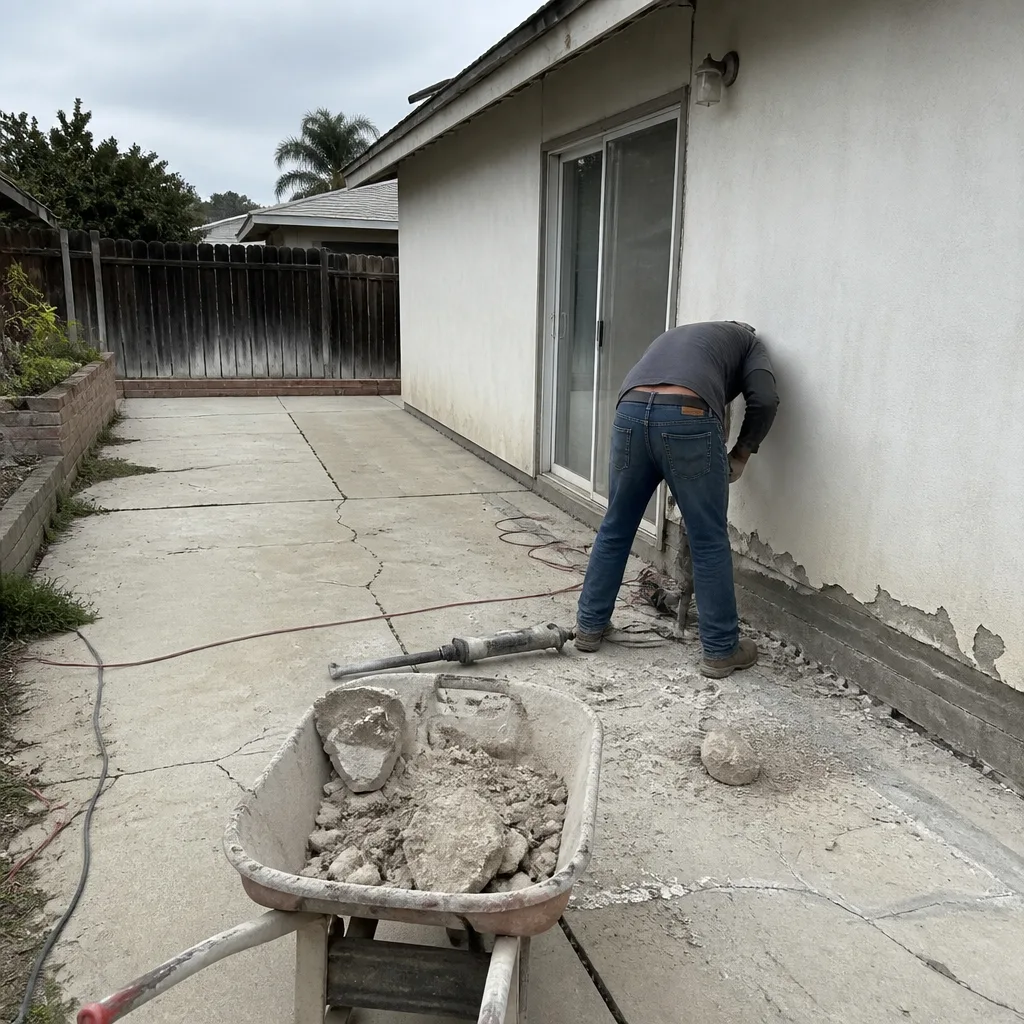
There’s a short list of checks an owner can make safely: measure crack width with a ruler (hairline under 1/16 inch often monitors stable), photograph the pattern for comparison in six months, and verify whether the original permit included a soils report. What goes wrong with DIY repair is the structural assumption. Epoxy injection a crack without knowing if the footing has dropped, and you’ve sealed a symptom while the cause progresses. Grind down a heaved slab without checking for rebar corrosion, and you’ve compromised the reinforcement. The tools that look simple, a concrete saw or a rotary hammer, will find rebar, post-tension cables, or radiant tubing that changes the repair entirely.
We carry the diagnostic equipment to locate embedded steel and map slab thickness without exploratory demolition. Call (909) 373-9612 to schedule your free estimate. We’ll review any competitor’s written quote line by line at no charge.
FAQs
Properly specified and placed, a residential concrete foundation should perform for 50-plus years. We see premature failure, usually between years 5 and 15, when the mix design was correct but the subgrade preparation or drainage was not adequate for local expansive soils. Call (909) 373-9612 for an exact quote on assessment or repair, estimates are free.
Sometimes. Epoxy injection works for stable, non-structural cracks; mudjacking or polyurethane foam lifting can correct minor settlement if the underlying soil is now stable. We don’t recommend either until we’ve verified the footing depth and rebar condition with a structural review. Call (909) 373-9612 for an exact quote, estimates are free.
For a typical 400-square-foot addition, demolition through final inspection runs 3 to 5 weeks, with concrete cure time accounting for nearly half that. Weather, permit turnaround from San Bernardino County, and any required soils engineering can extend the schedule. Call (909) 373-9612 for an exact quote on your specific project, estimates are free.
We don’t carry bagged mix for same-day patch jobs, we order to the structural specification for each project. For emergency stabilization, we keep rapid-setting repair mortars compatible with Sakrete substrates. Same-day assessment is available, and we source specified materials within 24 to 48 hours for scheduled work. Call (909) 373-9612 to schedule your free estimate.
Rowan Construction Group Rancho Cucamonga is an independent contractor and is not affiliated with Sakrete. We also stock and install materials from KraftMaid, Cambria, and Silestone across our seven trades.
Measure twice, document once, no surprises at closeout. That’s how Grant Rowan built this company, and it’s how we still run every addition and ADU in Rancho Cucamonga.
Ready to price your project? Call (909) 373-9612 to schedule your free estimate. We’ll put the number in writing before anyone picks up a tool, and you’ll have a documented photo record when the crew leaves.
Written by Grant Rowan, Owner, Rowan Construction Group - Rancho Cucamonga, CA at Rowan Construction Group Rancho Cucamonga, serving Rancho Cucamonga and nearby areas.