
Last updated September 24, 2026
Free written scope consultation - allowances, timeline, and change-order rules on paper before a single trade is scheduled
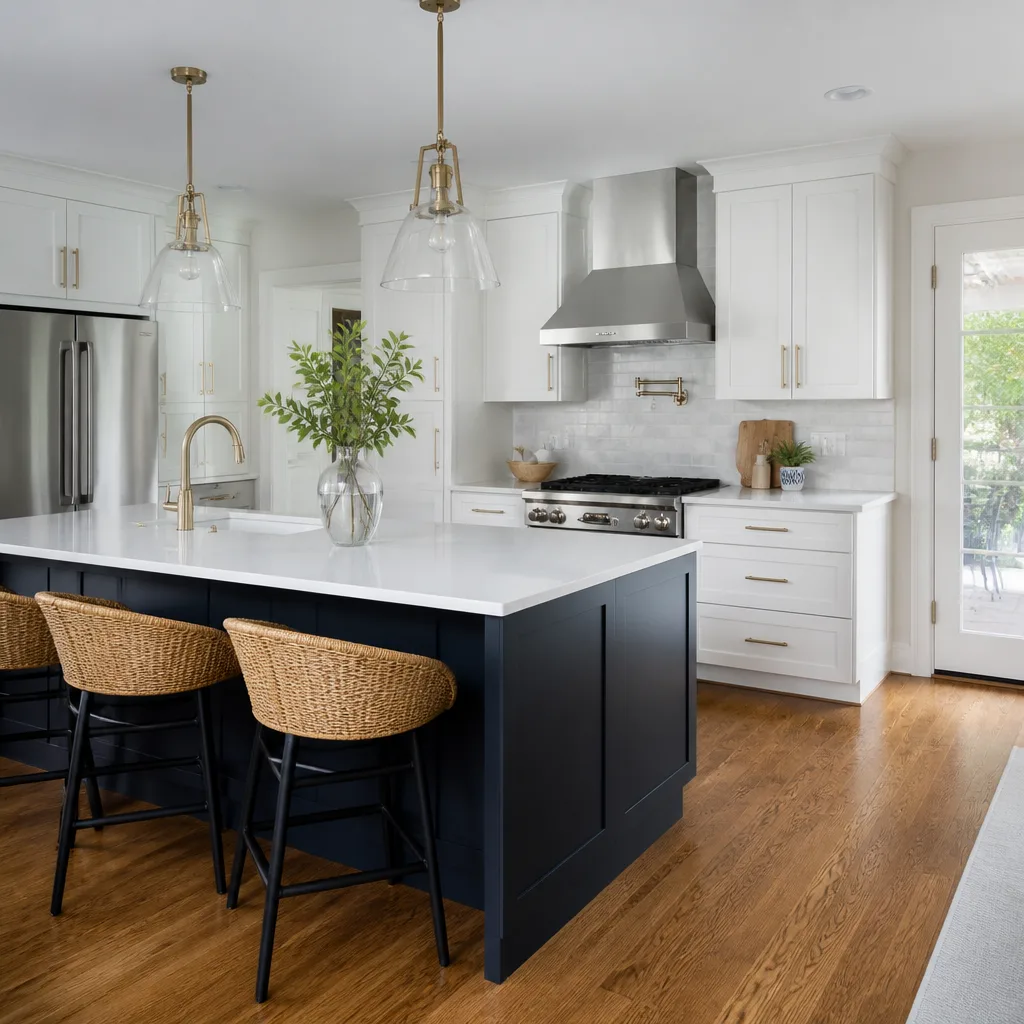
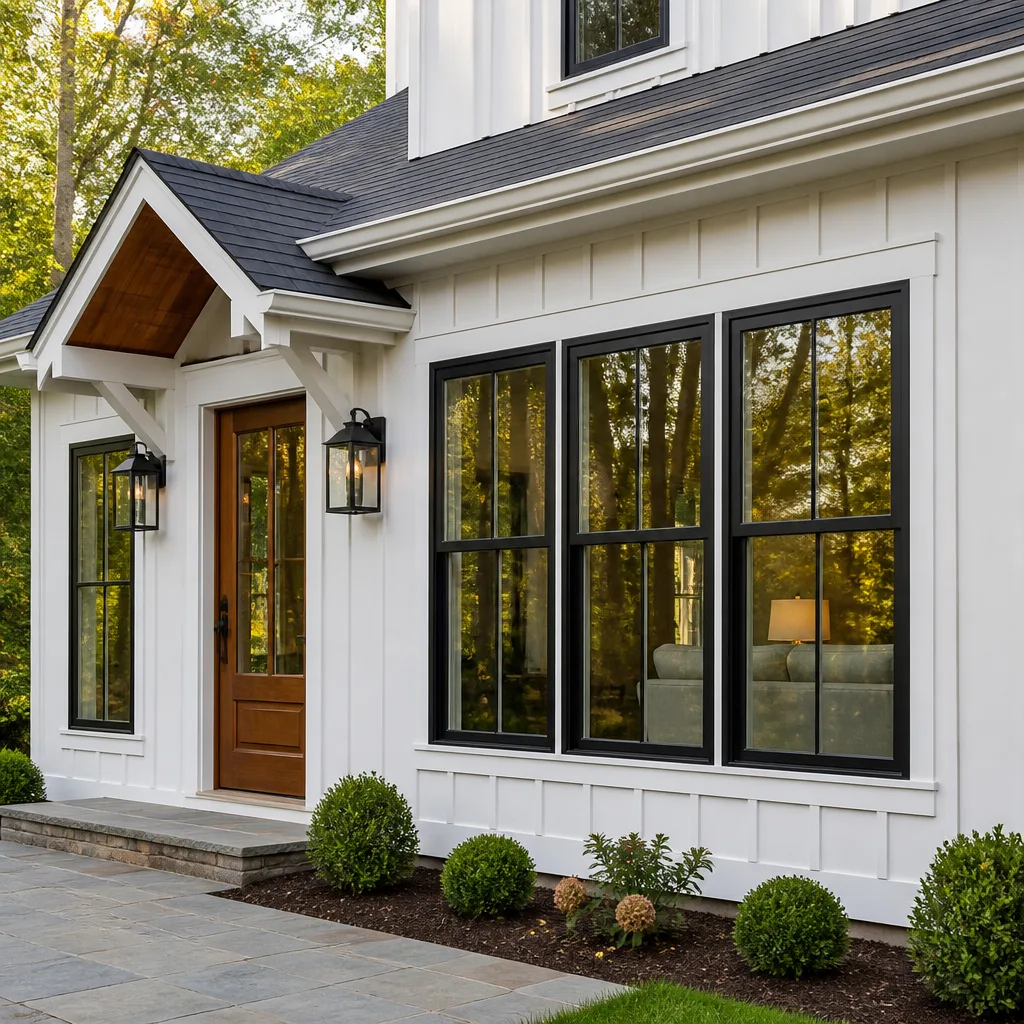
 Before
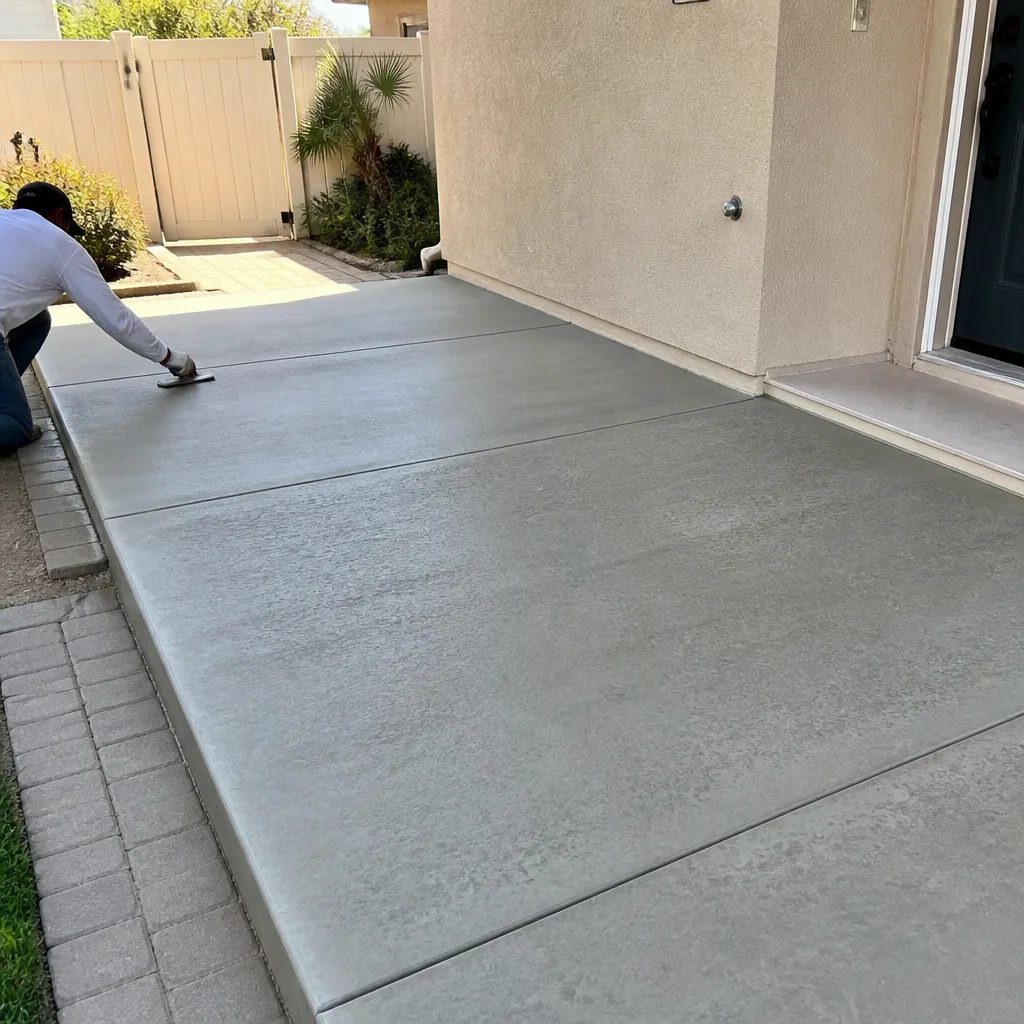 After
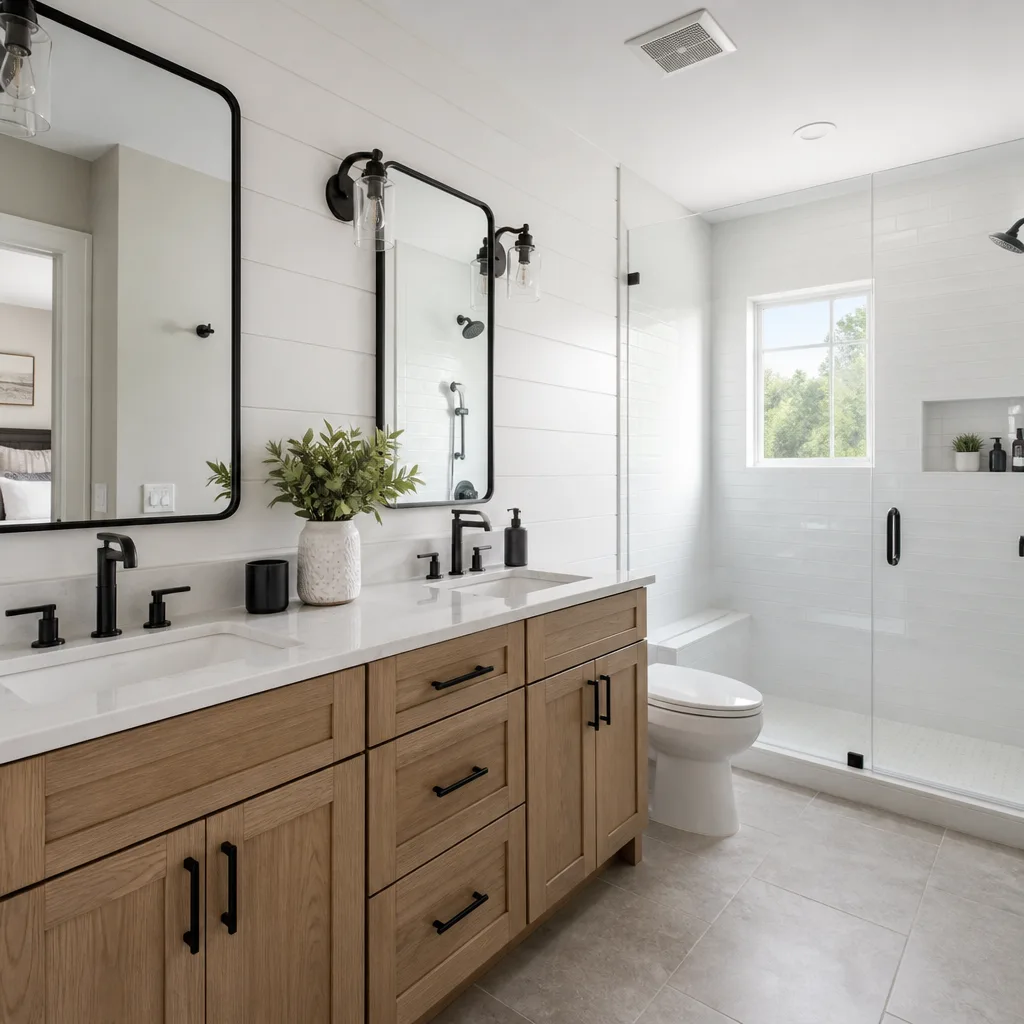
After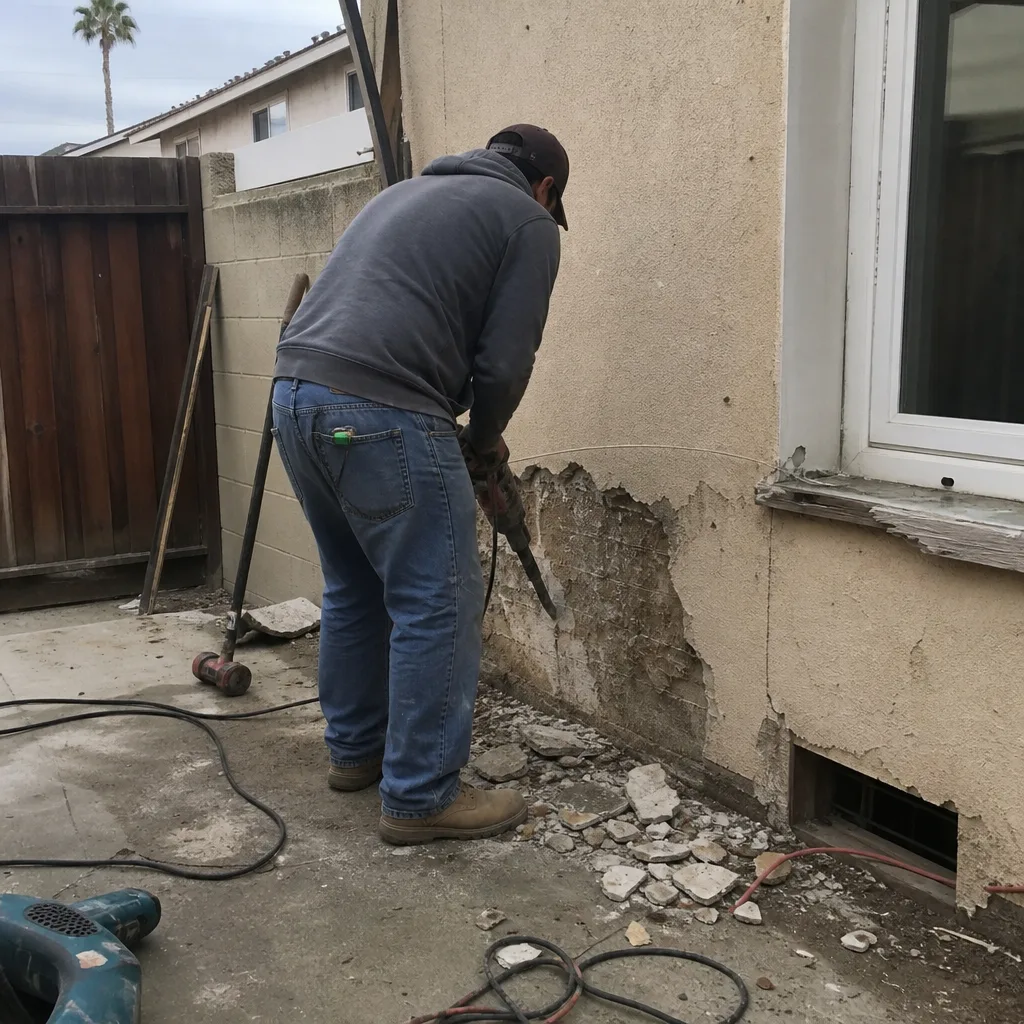 Before
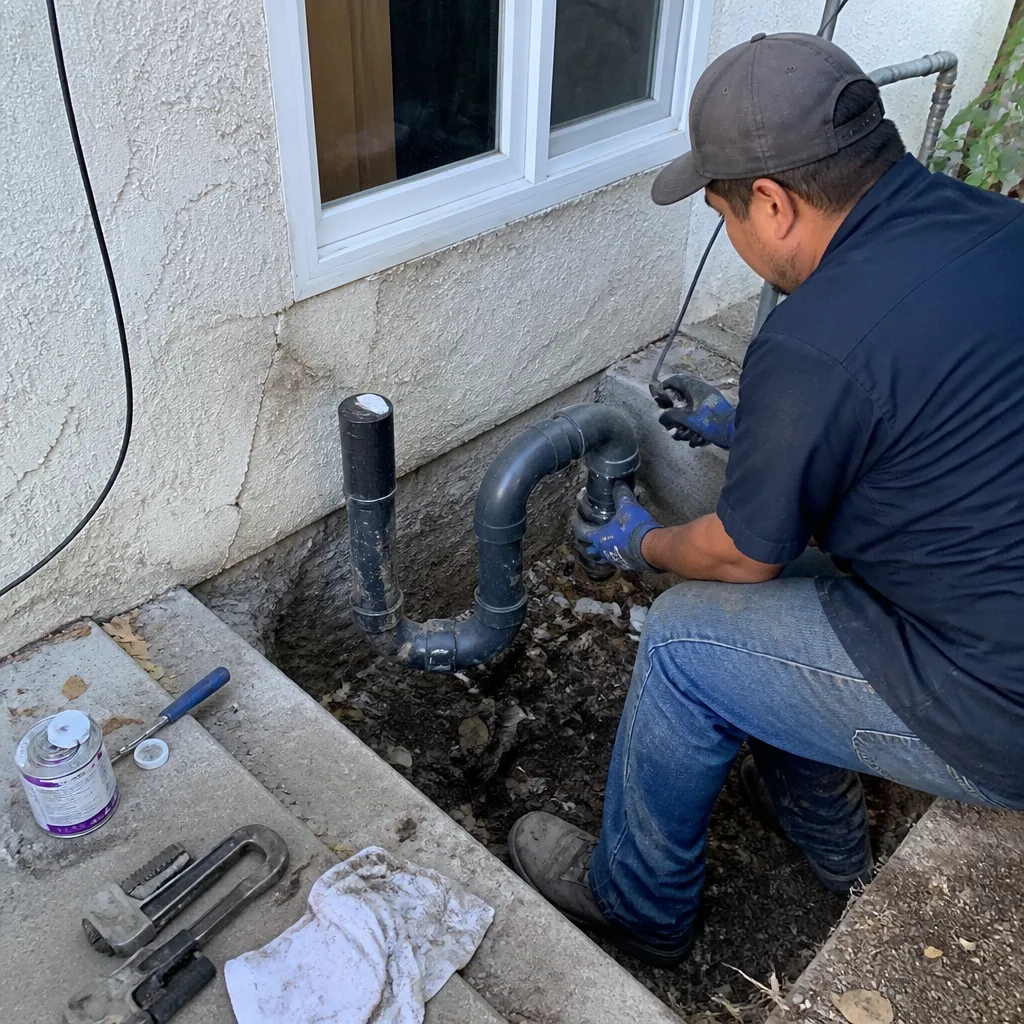 After
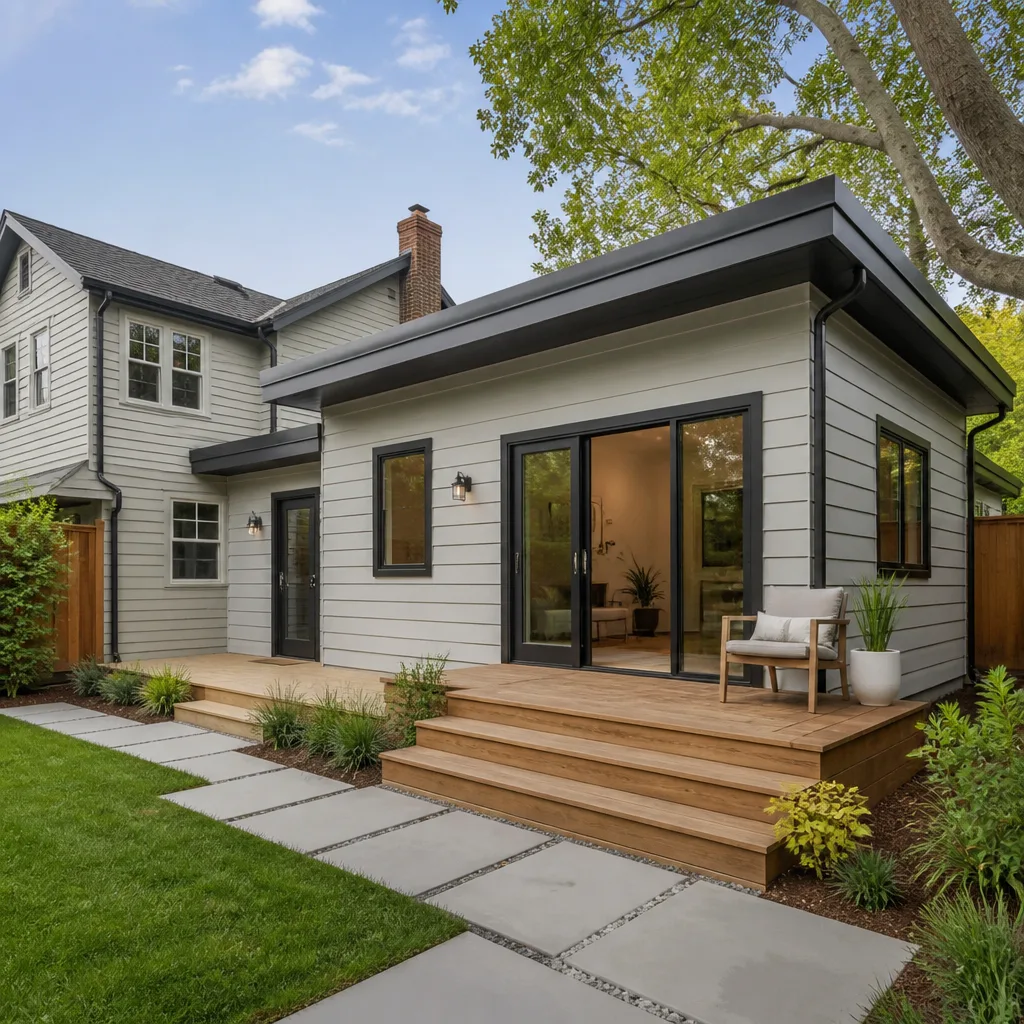
After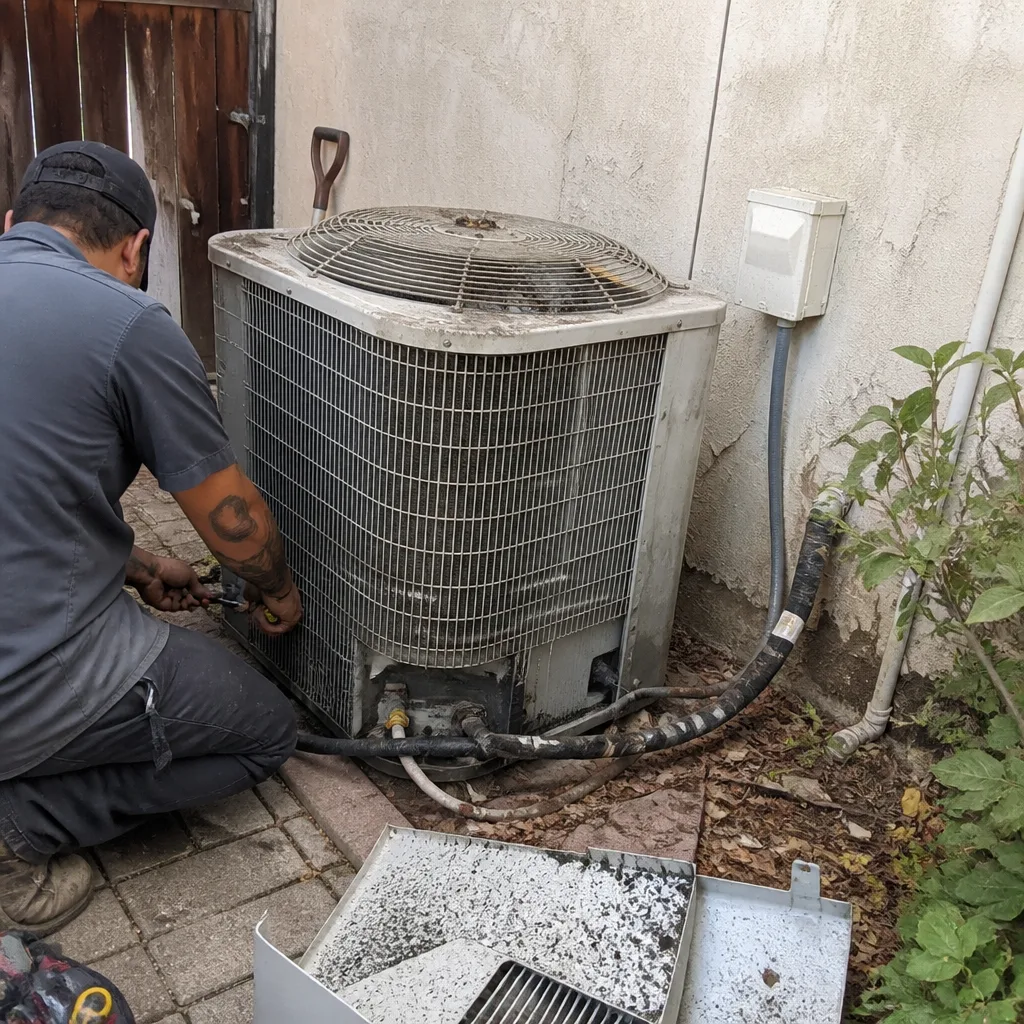 Before
 After
AfterThe Complete Guide to Construction in Rancho Cucamonga
A kitchen remodel quoted at $45,000 in Pasadena frequently runs $38,000-$41,000 in Rancho Cucamonga using identical KraftMaid cabinets and Cambria countertops. The freight differential from Inland Empire distribution centers and the dual union-open-shop labor pool create a pricing island that generic construction guides never capture. This guide maps the specific variables that shape every project in the 91730-91739 zip codes: San Bernardino County permit timelines, seismic Design Category D requirements, Santa Ana wind season scheduling constraints, and the material suppliers who actually serve this market. For a deeper look at what drives pricing locally, see our Construction Cost Breakdown: The Rancho Cucamonga Homeowner’s Reference for 2026. Whether you’re budgeting a bathroom remodel in Terra Vista or an ADU in North Etiwanda, the numbers here are calibrated to Rancho Cucamonga’s market, not borrowed from Los Angeles or Phoenix.
Quick Answer
Construction in Rancho Cucamonga typically costs 10-15% less than comparable Los Angeles County projects due to lower freight costs from Inland Empire distribution hubs and a competitive dual labor market. Most residential projects require San Bernardino County permits with fees ranging from $180 for roofing permits to $2,800+ for home additions, plus mandatory seismic engineering review for any structural modification. Successful projects sequence around Santa Ana wind season (October-March) and summer heat windows that restrict concrete pours and roofing adhesive application.
Table of Contents
- San Bernardino County Permit Fees and Timelines
- How the Inland Empire Dual Labor Pool Affects Your Bid
- Seismic Design Category D: What Triggers Engineering Review
- Material Sourcing Geography for the 91730-91739 Zip Codes
- Project Sequencing Around Rancho Cucamonga Weather Patterns
- Real Cost Ranges by Trade in Rancho Cucamonga
- Common Mistakes to Avoid
- When to Call a Professional
- Frequently Asked Questions
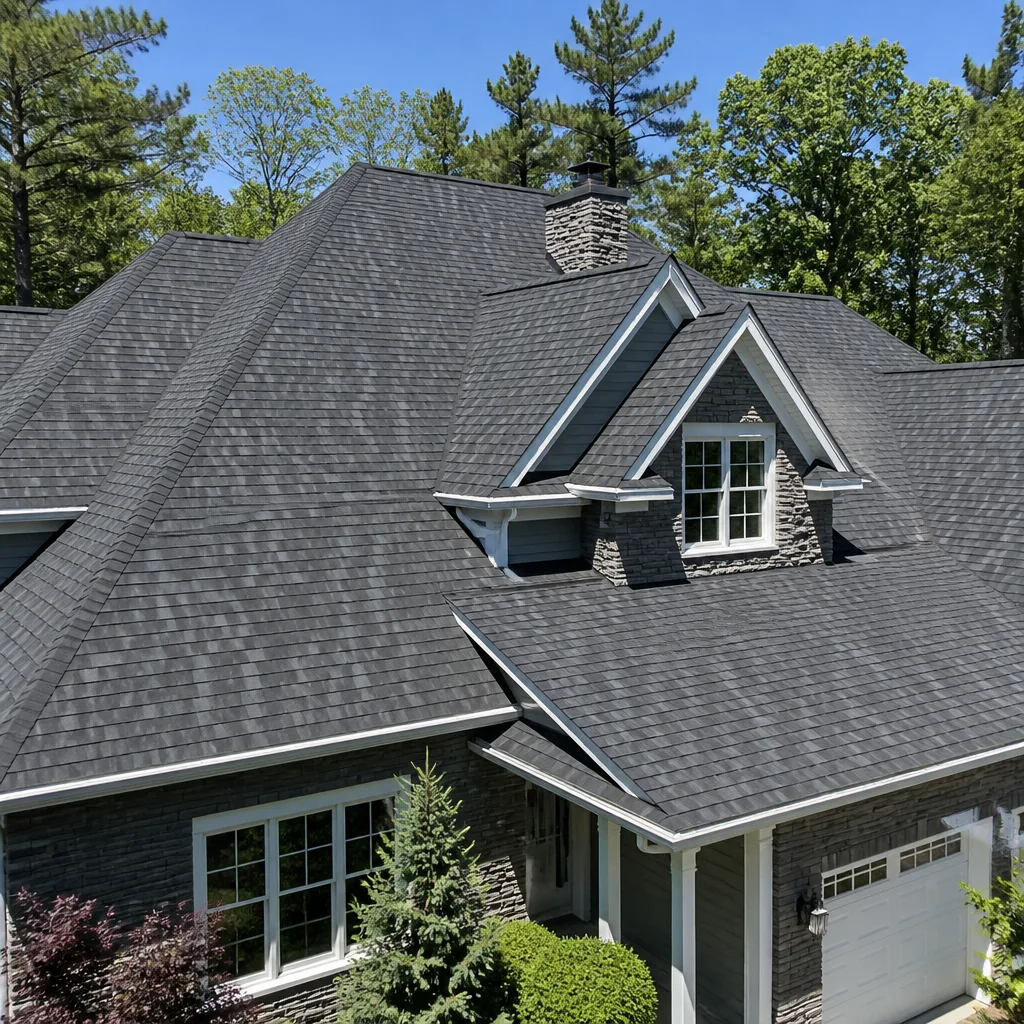
 Before
 After
AfterSan Bernardino County Permit Fees and Timelines
San Bernardino County’s Building and Safety Division operates on a fee structure that diverges significantly from neighboring LA County, and most Rancho Cucamonga homeowners discover this only after they’ve received their first contractor quote. Understanding the permit landscape upfront-detailed in our Construction Permits, Codes & Inspections in CA: What You Need to Know-prevents the budget shock that derails projects in week two.
As of 2025, San Bernardino County charges base permit fees calculated on project valuation, with specific minimums by trade:
| Roofing permit (complete replacement) | $180-$340 |
| Window/door replacement (permit + inspection) | $220-$380 |
| Bathroom remodel (no structural change) | $450-$720 |
| Kitchen remodel (no structural change) | $580-$940 |
| Home addition (under 500 sq ft) | $1,800-$2,400 |
| Home addition (500-1,200 sq ft) | $2,400-$3,800 |
| ADU (detached, new construction) | $2,800-$4,200 |
These figures exclude plan check fees, which add $280-$650 depending on complexity, and the separate fire district review required for any project in the Rancho Cucamonga Fire Protection District boundary. The fire review typically adds 5-8 business days to timeline.
Timeline reality: plan check for a kitchen remodel runs 10-14 business days in San Bernardino County versus 18-25 days in LA County. For home additions and ADUs, expect 15-22 business days for initial plan check, with one revision cycle common. The County’s online permit portal allows scheduling inspections 48 hours in advance, which contractors who know the system can leverage to maintain momentum.
Critical detail for Rancho Cucamonga parcels: any project touching the foundation or roof structure triggers a seismic review under the County’s implementation of the 2022 California Building Code. This is not optional, and “over-the-counter” permits are limited to like-for-like replacements (roofing shingles, windows of identical size). Your contractor should flag this in the first conversation, not after demolition starts.
Under Clause 1 of the Haven Standard, Rowan Construction Group delivers the permit cost as a line item in every written quote, with the permit type and estimated fee range specified before any work starts. The administrative discipline of documenting these costs upfront is how projects finish within a few percent of the agreed number.
How the Inland Empire Dual Labor Pool Affects Your Bid
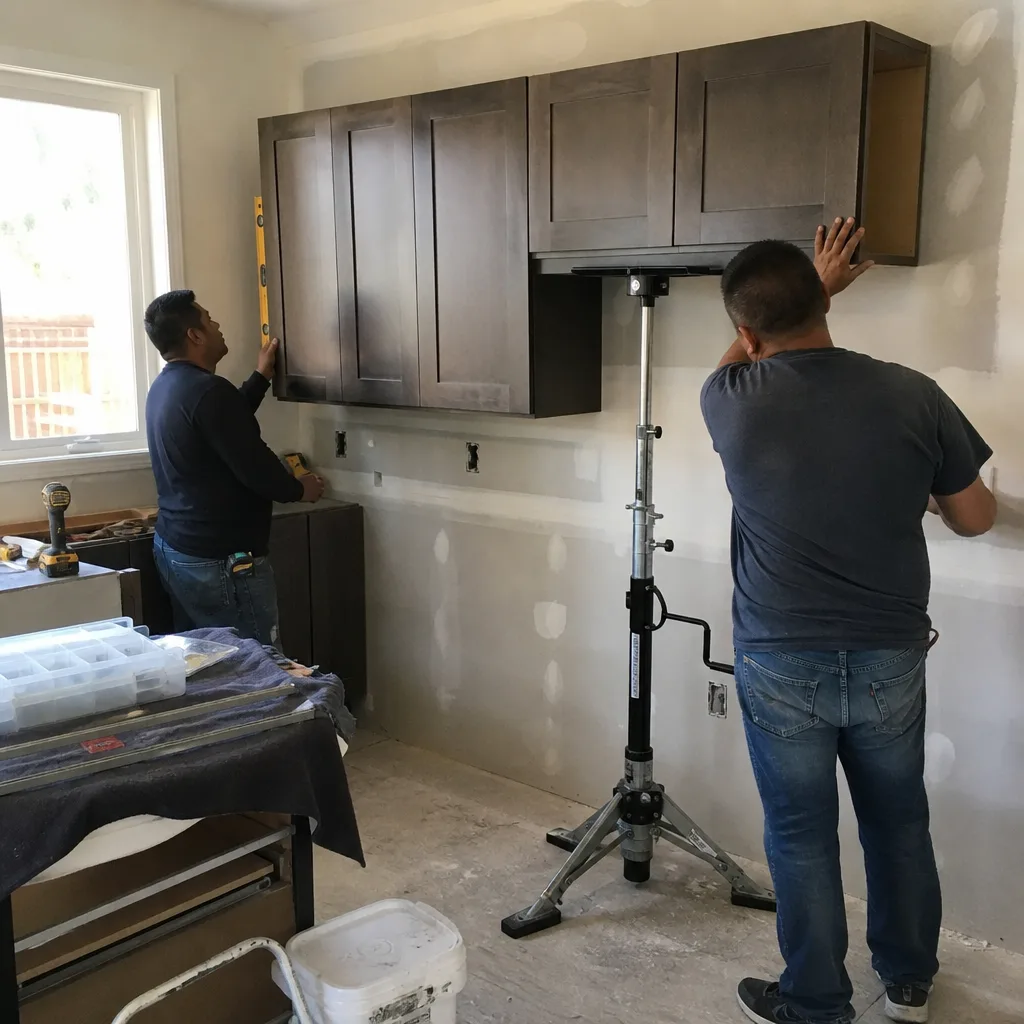
Rancho Cucamonga sits at the intersection of two distinct labor markets: the union-strong Los Angeles basin to the west and the open-shop dominant Inland Empire to the east. This duality creates bidding behavior that confuses homeowners who expect a single prevailing wage.
Union-affiliated crews, common in roofing and concrete trades, carry wage-and-benefit packages roughly 35-45% above open-shop rates. For a 2,000-square-foot roof replacement, this translates to a $3,200-$4,800 labor differential. Open-shop crews dominate framing, finish carpentry, and painting, where the gap narrows to 15-20%.
What this means for your project:
- Kitchen and bathroom remodels: Bids often blend both pools, tile setters and electricians frequently union, demo and finish carpentry open-shop. A $42,000 kitchen remodel might reflect $11,000 in union labor and $19,000 in open-shop labor, with the remainder materials and markup.
- Roofing: Union crews are prevalent on GAF and Owens Corning certified installations. The manufacturer’s warranty requirements sometimes mandate certified installers, who skew union. Expect $8,500-$14,000 for complete asphalt shingle replacement on a typical Rancho Cucamonga tract home, with the union premium at the upper end.
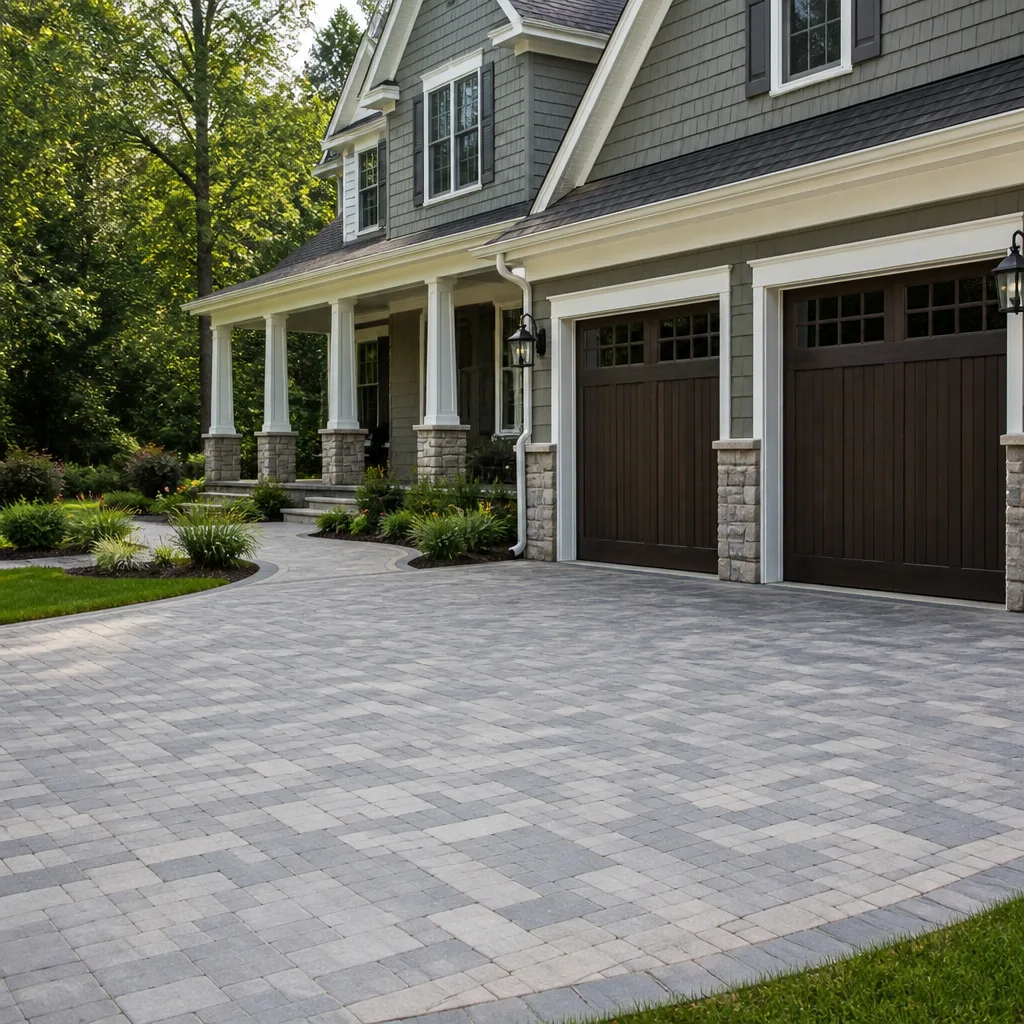
- Concrete and pavers: Union labor for Belgard and Techo-Bloc paver installations runs higher, but the skill differential is measurable in edge restraint quality and drainage slope precision. A 400-square-foot paver driveway runs $6,800-$9,400 union, $5,200-$7,400 open-shop.
- ADUs and home additions: Framing crews are predominantly open-shop in the Inland Empire, but electrical and plumbing sub-trades often carry union affiliation. The blended result is a 12-18% labor savings versus Westside Los Angeles for equivalent scope.
The practical implication: a bid substantially below market range may indicate an all-open-shop crew without trade-specific certifications, a warning sign we cover in our Construction Warning Signs: A Rancho Cucamonga Homeowner’s Reference Guide. A bid substantially above may reflect union rates applied to work that doesn’t require them. The written quote should specify labor categories, or at minimum distinguish between company employees and subcontracted trades.
In our experience across 4,000-plus projects, the dual labor pool rewards homeowners who ask direct questions about crew composition. “Is this your W-2 employee or a subcontractor?” and “What certification does this installer carry for this specific material?” yield more useful information than “How long have you been in business?”
Seismic Design Category D: What Triggers Engineering Review
Every parcel in Rancho Cucamonga falls within Seismic Design Category D, the second-highest classification in the International Building Code. This is not a technicality. It governs foundation details, wall anchorage, and the threshold for mandatory engineering review in ways that directly affect project cost and timeline.
Category D requires continuous load path design, meaning every structural element from roof to foundation must demonstrate a complete transfer of lateral forces. For remodeling work, this triggers engineering review in specific scenarios:
- Any modification to bearing walls: Removing or opening a wall that supports roof or floor loads requires a structural engineer’s stamped plan showing header sizing, post locations, and connection details to the foundation. Typical engineering fee: $1,200-$2,800 for a single opening.
- Room additions or ADUs: All new structural work requires engineered plans. The County will not accept prescriptive designs for additions over 120 square feet or any detached structure.
- Raised foundation repairs or modifications: Cripple wall bracing, anchor bolt installation, or foundation underpinning all require engineering. In the Alta Loma and North Etiwanda areas, where hillside construction is common, geotechnical engineering may also be required.
- Second-story additions: These trigger the most intensive review, with requirements for moment-resisting frames or shear walls that can add $8,000-$18,000 to structural costs versus a ground-level addition of equal size.
The 2022 California Building Code, adopted by San Bernardino County in January 2023, added specific requirements for existing wood-frame walls in Category D. Any wall with more than 50% of studs removed for insulation or plumbing access must be evaluated for shear capacity, and supplemental plywood sheathing may be required. We’ve encountered this repeatedly in Terra Vista and Victoria Arbors homes built 1985-1995, where original construction predates modern shear wall standards.
Engineering review adds 7-14 days to permit timeline and $1,500-$5,000 to project cost depending on complexity. Contractors who quote without engineering line items are either absorbing the cost (and cutting elsewhere) or planning to present it as a change order. Under the Haven Standard, Rowan Construction Group specifies engineering requirements and estimated fees in the initial written quote, with the understanding that the final engineer’s invoice becomes a pass-through at actual cost.
Material Sourcing Geography for the 91730-91739 Zip Codes
Freight distance from distribution center to job site is a material cost driver that Rancho Cucamonga’s location turns to advantage. The city sits within 25 miles of three major construction supply hubs: Ontario (Prologis Park and surrounding industrial), Fontana (Interstate 10 corridor warehouses), and the Pomona Valley distribution network. This proximity reduces freight surcharges and shortens lead times compared to projects in Orange County or the Westside.
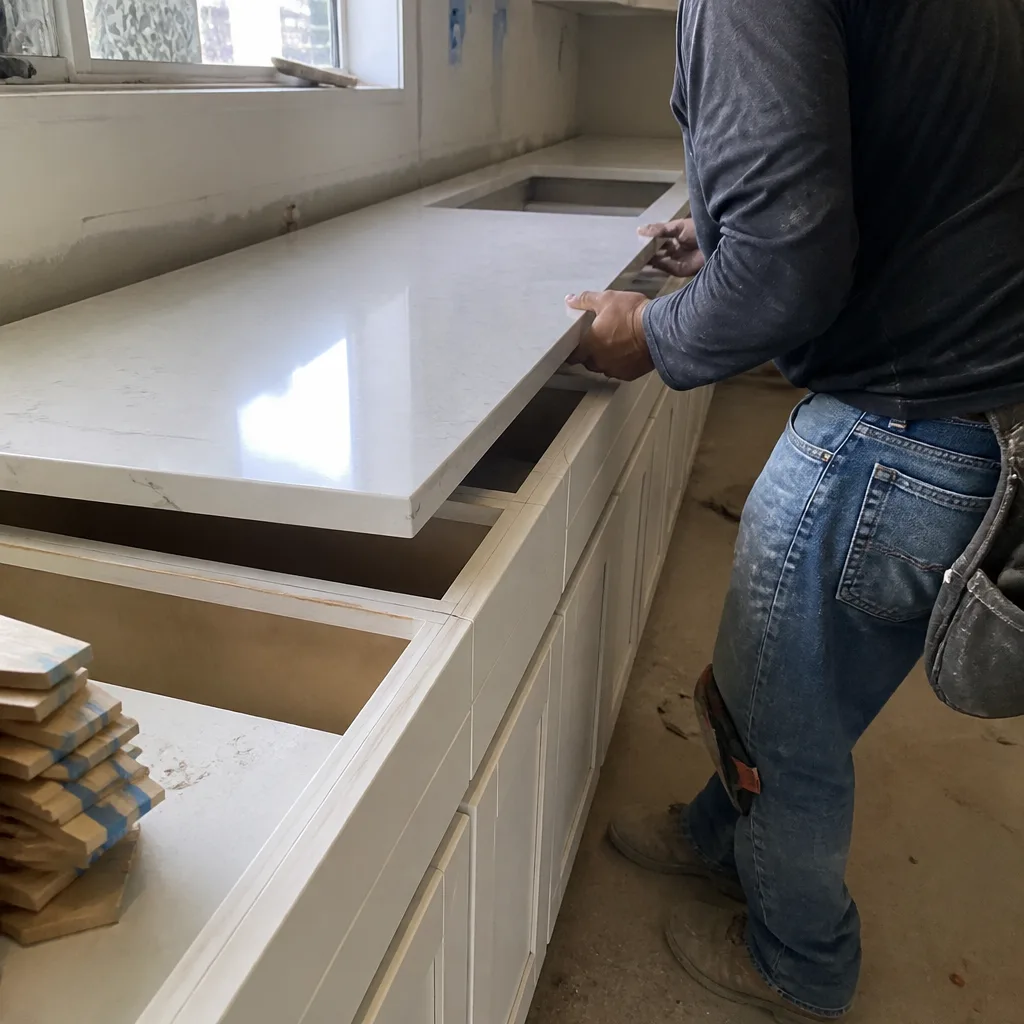
Cabinets and millwork: KraftMaid and Wellborn distribute through Ontario-based dealers serving the 91730-91739 zip codes with 5-7 day lead times for standard lines, 14-18 days for custom finishes. Pasadena projects typically see 10-12 day and 21-28 day timelines respectively, with freight premiums of 8-12%.
Countertops: Cambria operates a fabrication facility in Anaheim, but slab inventory for Rancho Cucamonga routes through the Ontario distribution point. Caesarstone maintains regional stock in Fontana. Template-to-install for quartz runs 8-12 business days locally versus 14-18 days for coastal projects competing for the same fabrication slots.
Roofing: GAF and Owens Corning both maintain dealer networks with Fontana and Ontario inventory. The critical variable is not availability but wind rating: Santa Ana wind zones in Rancho Cucamonga require 110 mph-rated shingles minimum, with 130 mph recommended for Alta Loma and hillside exposures. Standard 90 mph shingles, common in less windy inland markets, do not meet local code and represent a material specification error we’ve seen in competitor quotes.
Pavers and hardscape: Belgard and Techo-Bloc distribute through the Ontario hub with substantial local inventory. The 60-mile freight advantage versus San Diego-sourced projects translates to $0.40-$0.85 per square foot in delivered cost, meaningful on a 1,200-square-foot driveway project.
Windows and doors: This is where sourcing geography becomes complex. Premium lines (Marvin, Andersen A-Series) fabricate to order in Midwest or East Coast facilities, and freight is freight regardless of local distribution. The Rancho Cucamonga advantage appears in mid-grade vinyl and fiberglass lines (Milgard, Simonton) with Western regional manufacturing in Tacoma and Dixon, California, respectively.
Prefab and modular options: Boxabl and Plant Prefab both serve the Inland Empire market, with Plant Prefab’s Rialto-adjacent operations offering reduced freight for ADU projects. Tuff Shed maintains installation crews throughout San Bernardino County for accessory structures under 120 square feet that may not trigger full permit requirements. These options deserve consideration for specific use cases, though they carry design constraints that full stick-frame construction avoids.
The written quote should specify material brands and grades, not generic descriptions like “premium shingles” or “quartz countertop.” The photo record included as standard on every Rowan Construction Group visit documents delivered materials against the quoted specification, creating the verification chain that the Haven Standard requires.
Project Sequencing Around Rancho Cucamonga Weather Patterns
The Inland Empire’s climate is not merely hot in summer. It has specific windows that constrain or enable particular construction activities, and contractors who ignore these constraints schedule work that fails prematurely or requires costly remediation.
Santa Ana wind season (October-March): Sustained winds of 25-45 mph, with gusts exceeding 60 mph in canyon-adjacent areas like North Etiwanda and the foothill zones, make roofing installation hazardous and compromise adhesive bonding on modified bitumen and single-ply membranes. We schedule no roofing starts when Santa Ana conditions are forecast within 72 hours of shingle delivery. The thermal shock of hot-day, cold-night cycling during wind events also stresses fresh sealant. Roofing in Rancho Cucamonga is best sequenced April-June and September-early October.
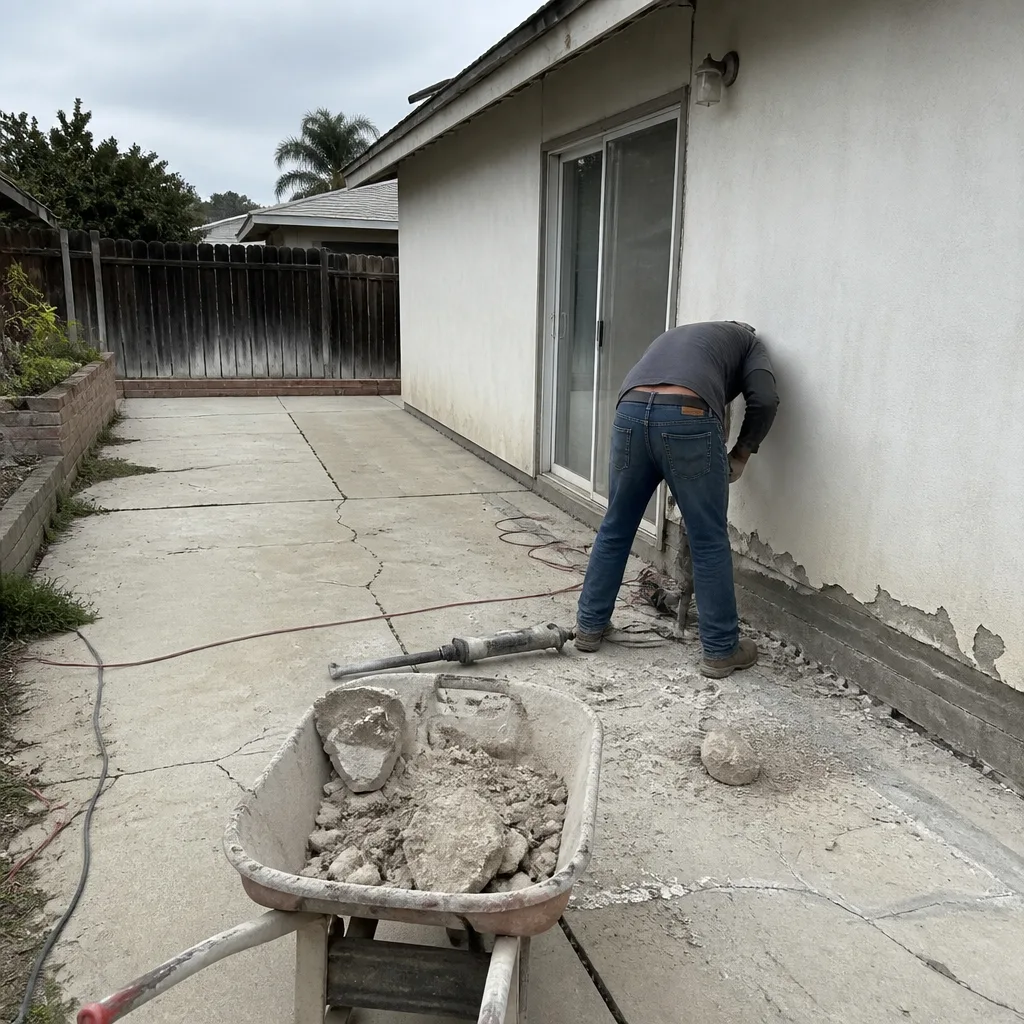
Summer heat windows (June-September): Concrete pours above 90°F ambient require evaporation control measures, retarder admixtures, and accelerated finishing to prevent plastic shrinkage cracking. In July and August, when Rancho Cucamonga routinely exceeds 95°F, we schedule concrete work for 5:00 AM starts with completion by 11:00 AM, or shift to evening pours with adequate lighting and safety protocols. Pavers installed on 100°F substrate can develop efflorescence patterns from rapid moisture migration. Belgard and Techo-Bloc both specify 85°F maximum substrate temperature for sand-set installation; mortar-set applications tolerate slightly higher temperatures with proper curing compounds.
Winter rain windows (December-February): San Bernardino County receives 12-16 inches annually, concentrated in brief, intense events. Exterior framing, stucco scratch coat application, and waterproofing membrane installation all require 48-72 hours of dry weather minimum. The County will not pass waterproofing inspections with visible moisture in substrate. Interior work, electrical, plumbing rough-in, and insulation proceed normally.
Optimal sequencing calendar for a typical whole-home project in Rancho Cucamonga:
- January-February: Permitting and engineering (interior work, no weather dependency). Order long-lead materials (cabinets, windows).
- March-April: Demolition, framing, structural work. Roofing begins if forecast is clear.
- May-June: Roofing completion, window installation, exterior waterproofing. Concrete and paver work.
- July-August: Interior trades, electrical, plumbing, HVAC. No exterior concrete or roofing.
- September-October: Exterior paint, final grading, landscape hardscape. Roofing catch-up if needed.
- November-December: Interior finishes, final inspections, closeout documentation.
This calendar assumes a project start in January. For mid-year starts, we compress the early phases and protect summer concrete work with the measures described. The documented photo record on every visit includes ambient conditions and substrate temperature readings, creating the verification trail that supports warranty claims if environmental factors affect material performance.
Real Cost Ranges by Trade in Rancho Cucamonga
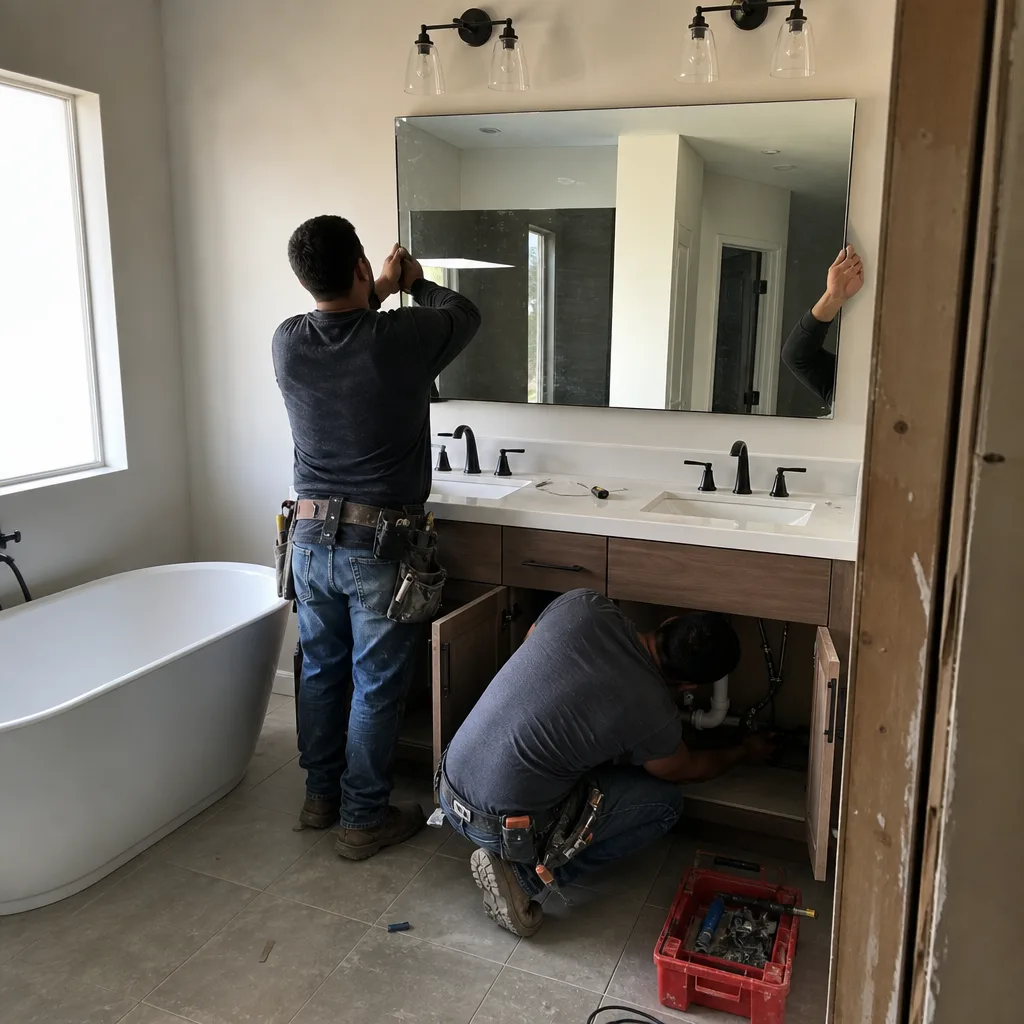
The following ranges reflect Rowan Construction Group’s 2024-2025 project data for Rancho Cucamonga specifically, with materials at mid-grade specification and labor at blended union-open-shop rates. These are flat prices with written scope, the format delivered before any work starts under Clause 1 of the Haven Standard.
| Trade | Typical Scope | Price Range |
| Kitchen remodel | 200 sq ft, semi-custom cabinets, quartz counters, standard appliances | $38,000-$58,000 |
| Bathroom remodel | 80 sq ft, full gut, porcelain tile, solid surface vanity | $18,000-$32,000 |
| Roofing (asphalt shingle) | 2,000 sq ft, complete tear-off, 110 mph rated | $8,500-$14,000 |
| Windows (replacement, whole house) | 12-15 units, vinyl or fiberglass, low-E | $11,000-$19,000 |
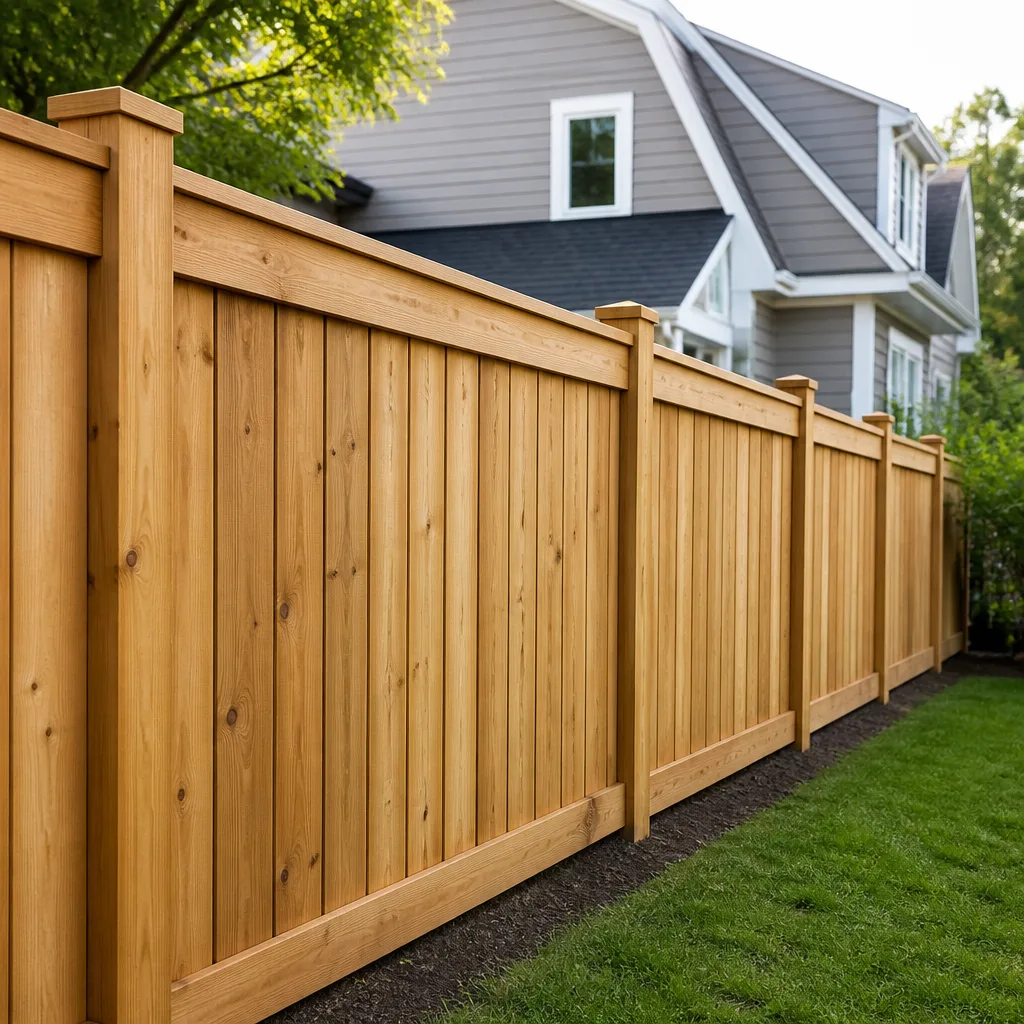
| Fence (wood, privacy) | 180 linear ft, pressure-treated, concrete footings | $4,200-$6,800 |
| Driveway pavers | 600 sq ft, Belgard or Techo-Bloc, sand-set | $7,800-$11,400 |
| Home addition | 400 sq ft, slab foundation, conditioned space | $92,000-$138,000 |
| ADU (detached, new) | 500 sq ft, 1 bed/1 bath, full kitchen | $145,000-$195,000 |
These ranges include permit fees, engineering where required, and standard finishes. Premium specifications (KraftMaid custom cabinetry, Cambria Brittanicca Gold, Marvin Ultimate windows) add 25-40%. Value engineering (stock cabinets, standard granite, vinyl windows) can reduce costs 15-20% with acceptable quality tradeoffs.
The Free Second Opinion on Any Written Estimate applies here: bring a competitor’s quote and Rowan Construction Group will review it line by line, identifying specification gaps, missing permit costs, or optimistic labor assumptions that affect final price.
Common Mistakes to Avoid
- Using LA County permit timelines for San Bernardino County planning. The 18-25 day LA plan check creates false expectations. Rancho Cucamonga projects move faster, but homeowners who schedule material deliveries based on LA timelines create job-site congestion and storage problems.
- Specifying 90 mph wind-rated roofing in a 110 mph zone. Code requires 110 mph minimum, and hillside exposures need 130 mph. The lower-rated material passes initial inspection but fails warranty coverage when Santa Ana winds damage it. Always verify the wind speed rating on the shingle wrapper against the project address.
- Pouring concrete in July afternoons without evaporation control. The surface crusts before proper finishing, trapping bleed water and creating weak, spalling surfaces that fail within two years. Early morning pours or proper admixtures prevent this entirely.
- Assuming an ADU avoids seismic engineering. Detached ADUs are new structural construction in Category D. They require full engineering, and the “backyard shed” mental model leads homeowners to underestimate permit complexity by months.
- Accepting “allowance” pricing for finish materials. An $8,000 “tile allowance” in a bathroom quote sounds generous until you select $14/sq ft porcelain and discover the allowance assumed $4/sq ft ceramic. Written quotes should specify material brands and grades, or use firm allowances with explicit overage/underage terms.
- Scheduling exterior painting during Santa Ana wind events. Overspray travels hundreds of feet, and dust adhesion ruins finish quality. Check wind forecasts, not just temperature, for exterior coating work.
- Neglecting the photo record at final walkthrough. The documented photo record is your warranty evidence baseline. Verify it captures completed conditions, not just progress shots, before final payment.
When to Call a Professional
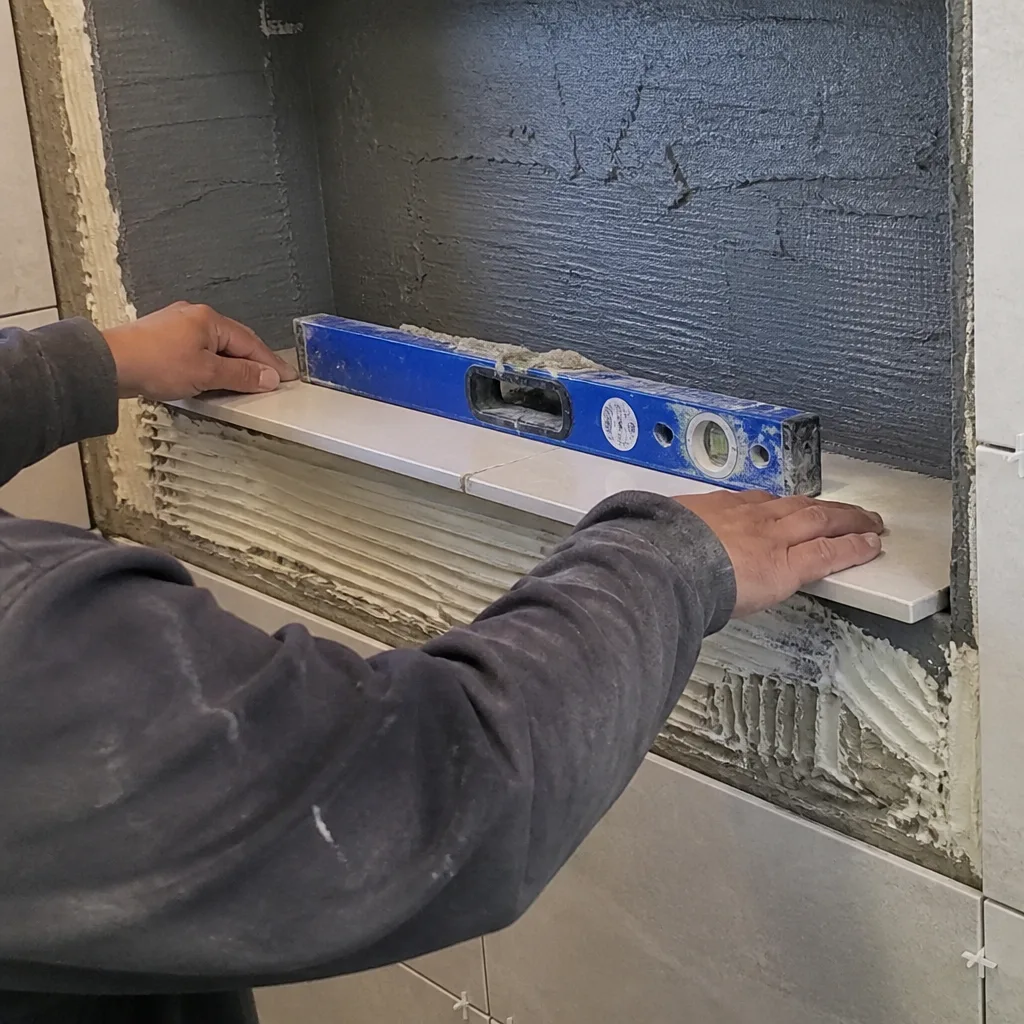
Structural modifications, permit-required work, and any project involving roofing, electrical, or plumbing beyond fixture replacement warrants licensed contractor involvement in Rancho Cucamonga. The Seismic Design Category D requirement alone means most wall removals and all additions require engineering that homeowner-permitted work cannot satisfy. For projects within our seven trades, Rowan Construction Group Rancho Cucamonga offers free estimates with written, line-item pricing before any work starts. Call (909) 373-9612 to schedule.
Frequently Asked Questions
A typical 200-square-foot kitchen remodel with semi-custom cabinets, quartz countertops, and standard appliance relocation runs $38,000-$58,000 in Rancho Cucamonga, approximately 10-15% below equivalent Pasadena projects due to Inland Empire freight and labor advantages. Call (909) 373-9612 for an exact quote - estimates are free.
Yes, San Bernardino County requires permits for bathroom remodels involving plumbing relocation, electrical work, or wall modification. A like-for-like fixture replacement (same location, no plumbing changes) may qualify for over-the-counter permitting at $220-$340. Any structural change triggers full plan check at $450-$720 plus potential engineering review.
Plan check for home additions runs 15-22 business days in San Bernardino County, with one revision cycle common. Engineering review adds 7-14 days. Fire district review, required throughout Rancho Cucamonga, adds 5-8 business days. Total timeline from application to permit issuance: 6-10 weeks with responsive plan corrections.
Under the Haven Standard, no work proceeds on a change until the change order is signed. The initial written quote is a flat price for a defined scope. Changes requested by the homeowner, or concealed conditions discovered during work, are documented with a written change order specifying cost and schedule impact before any additional work begins. This discipline has kept Rowan Construction Group projects within a few percent of the agreed price across 4,000-plus jobs since 2007.
Rowan Construction Group pulls all permits as the responsible contractor of record. The permit fee appears as a line item in the written quote, with the permit type and estimated range specified. Homeowners who pull their own permits assume liability for code compliance that the licensed contractor should carry.
Santa Ana winds, October through March, create hazardous installation conditions and compromise adhesive bonding on low-slope roofing systems. Rancho Cucamonga’s wind exposure requires 110 mph minimum shingle ratings, with 130 mph recommended for hillside areas. We schedule no roofing starts within 72 hours of forecast Santa Ana events, and we verify wind ratings on delivered materials against the project address before installation begins.
The Bottom Line
Construction in Rancho Cucamonga operates on distinct variables: San Bernardino County’s faster permit timelines and specific fee structures, a dual labor pool that rewards informed questioning, Category D seismic requirements that trigger engineering review for most structural work, Inland Empire material sourcing advantages, and weather patterns that demand disciplined sequencing. Generic construction advice borrowed from other markets misleads on cost, timeline, and code requirements. Explore more guides & resources calibrated to the Inland Empire market. The homeowners who enter contractor conversations with these specifics established, who demand written prices with material brands named and permit costs line-itemed, and who verify the documentation they’ll receive, get projects that finish on the number agreed with evidence to support every claim.
Written by Grant Rowan, Owner at Rowan Construction Group Rancho Cucamonga, serving Rancho Cucamonga since 2007.