
Last updated September 24, 2026
Free written scope consultation - allowances, timeline, and change-order rules on paper before a single trade is scheduled

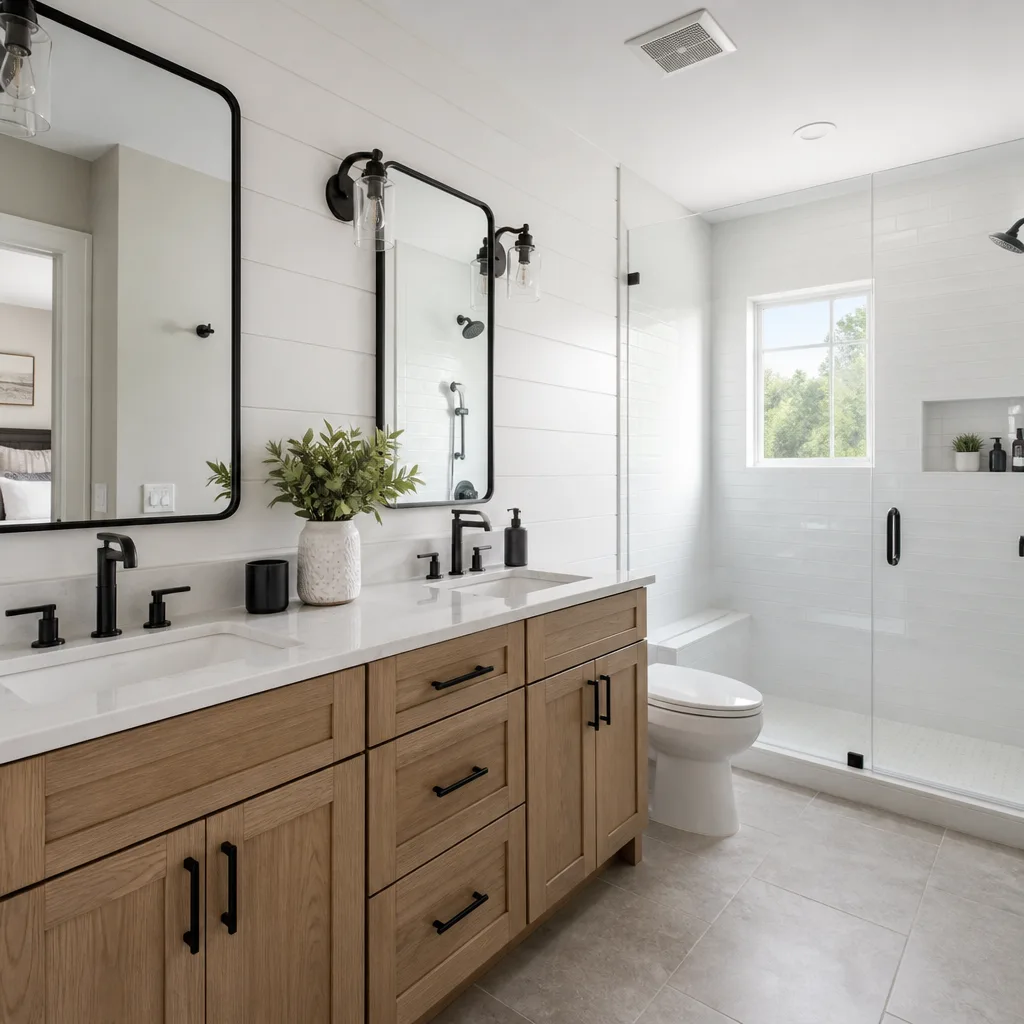




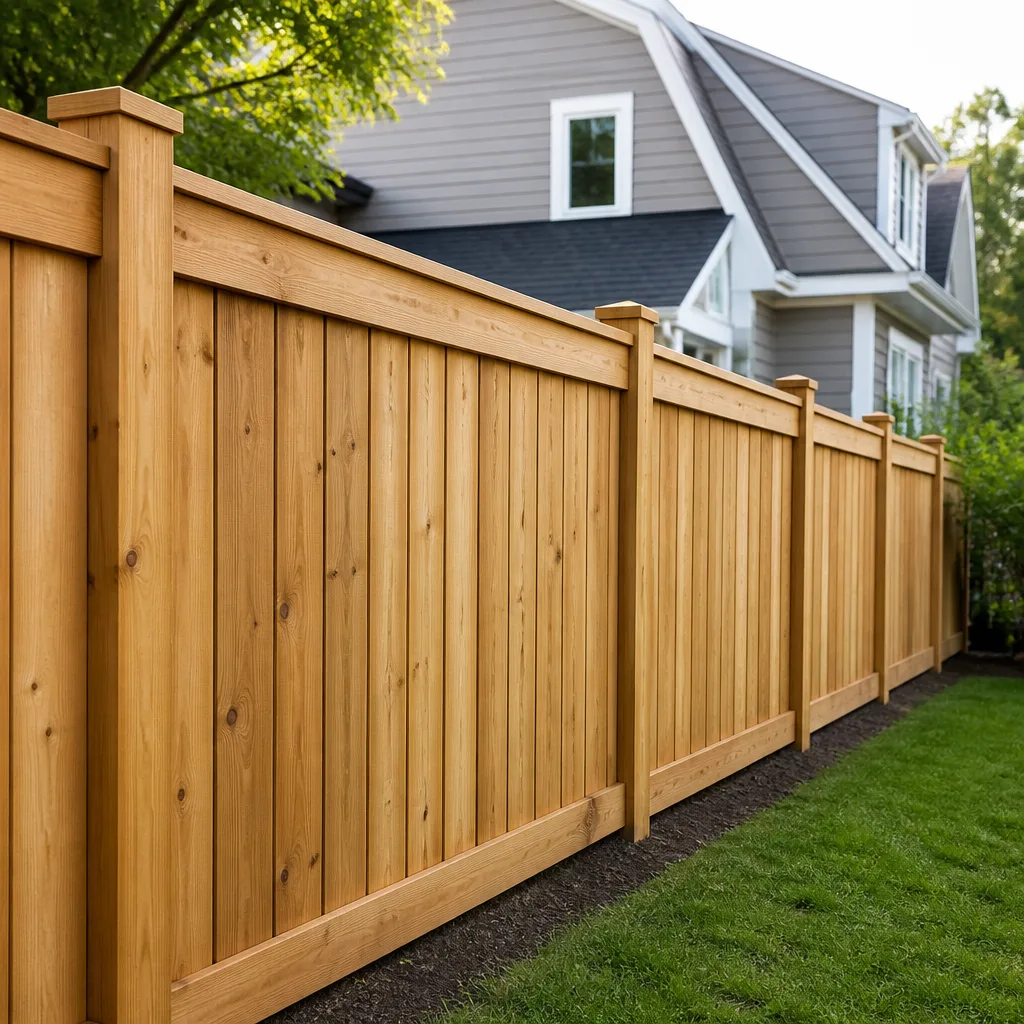
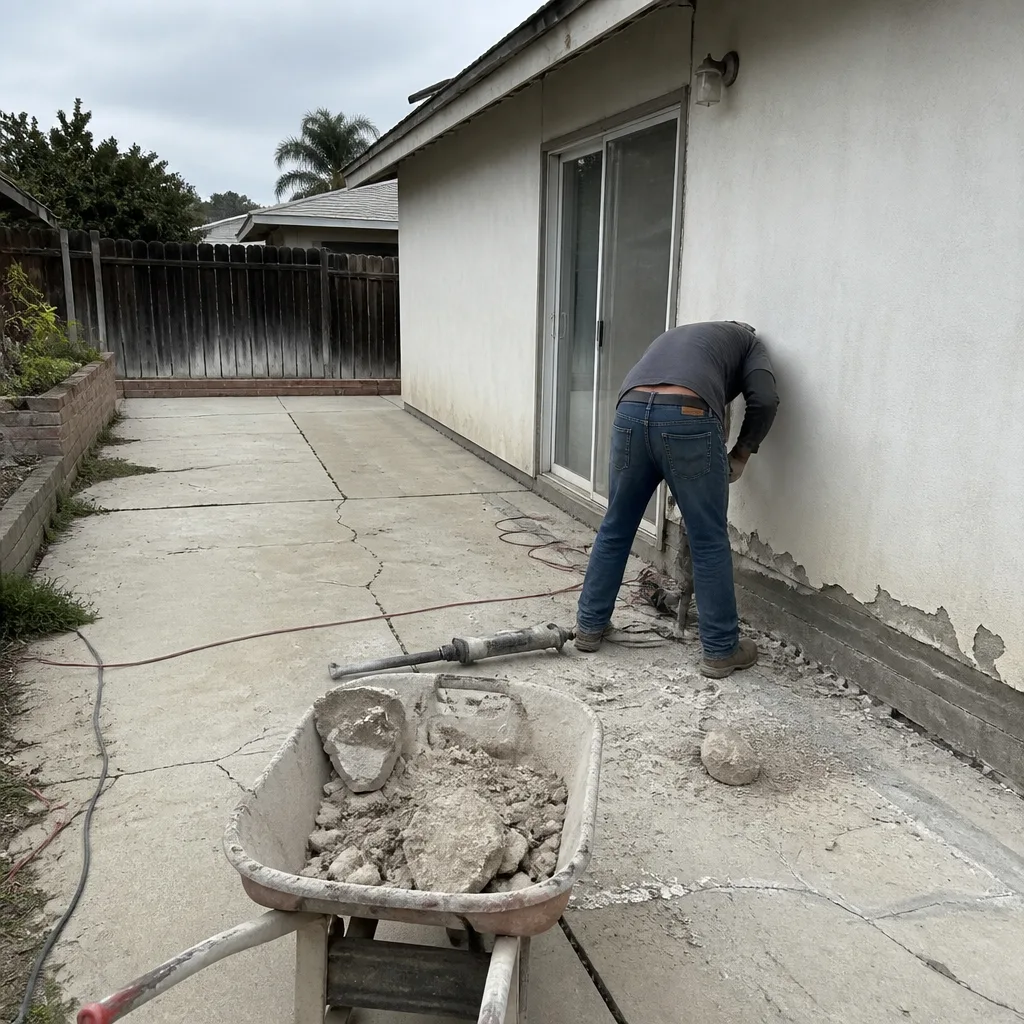 Before
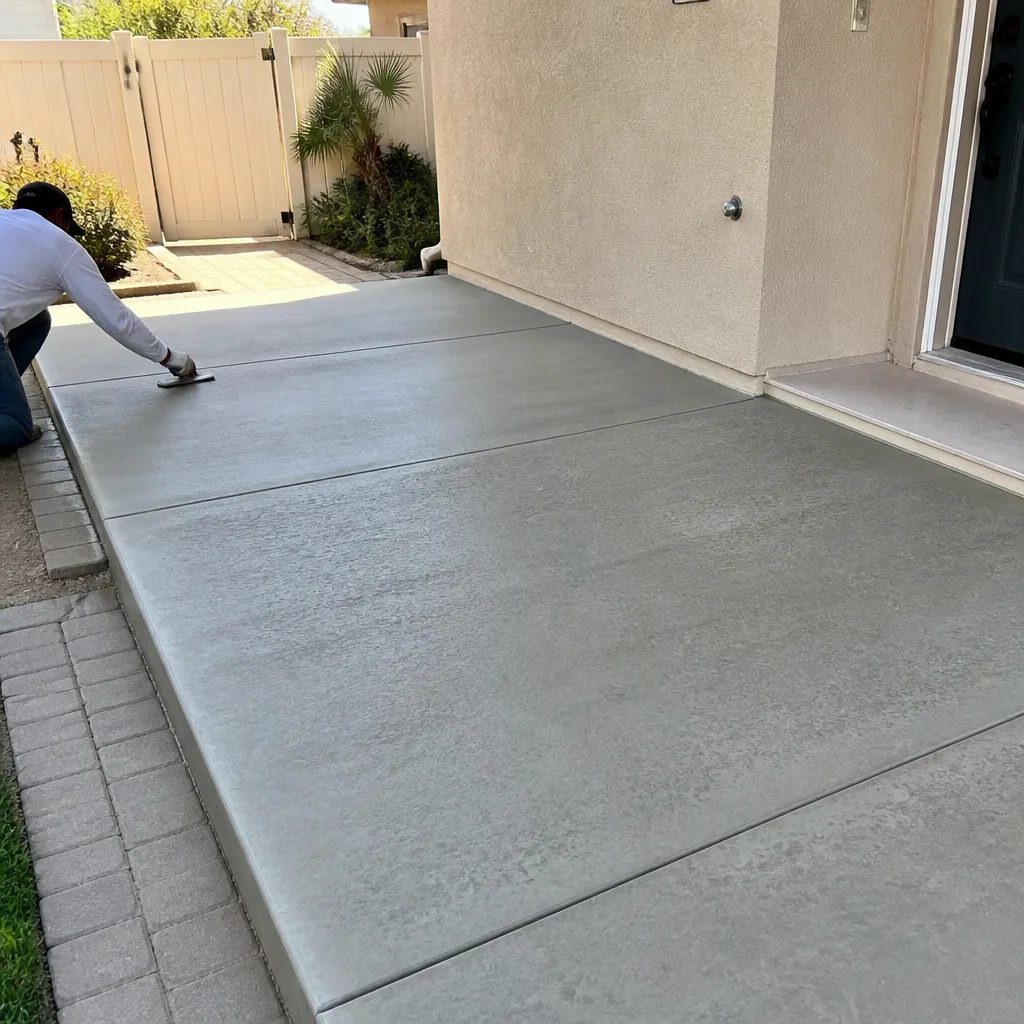 After
After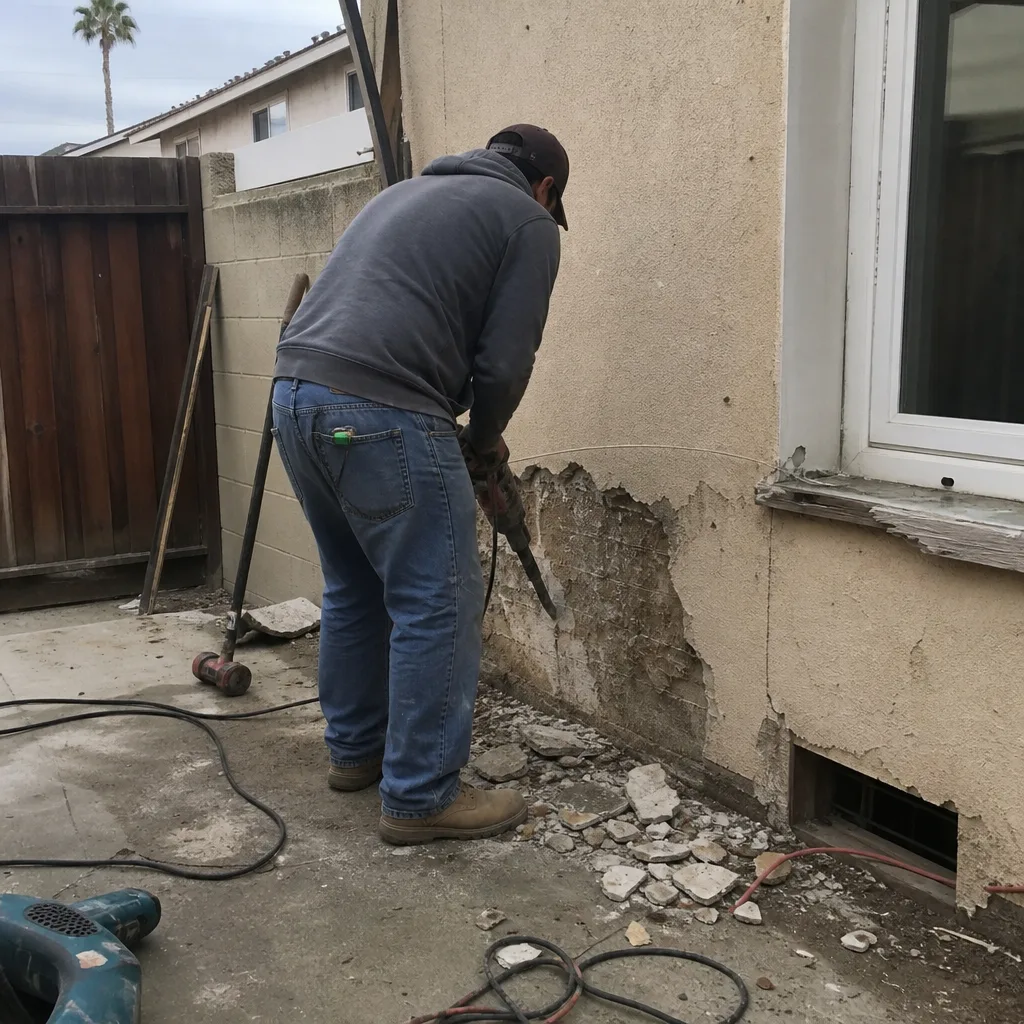 Before
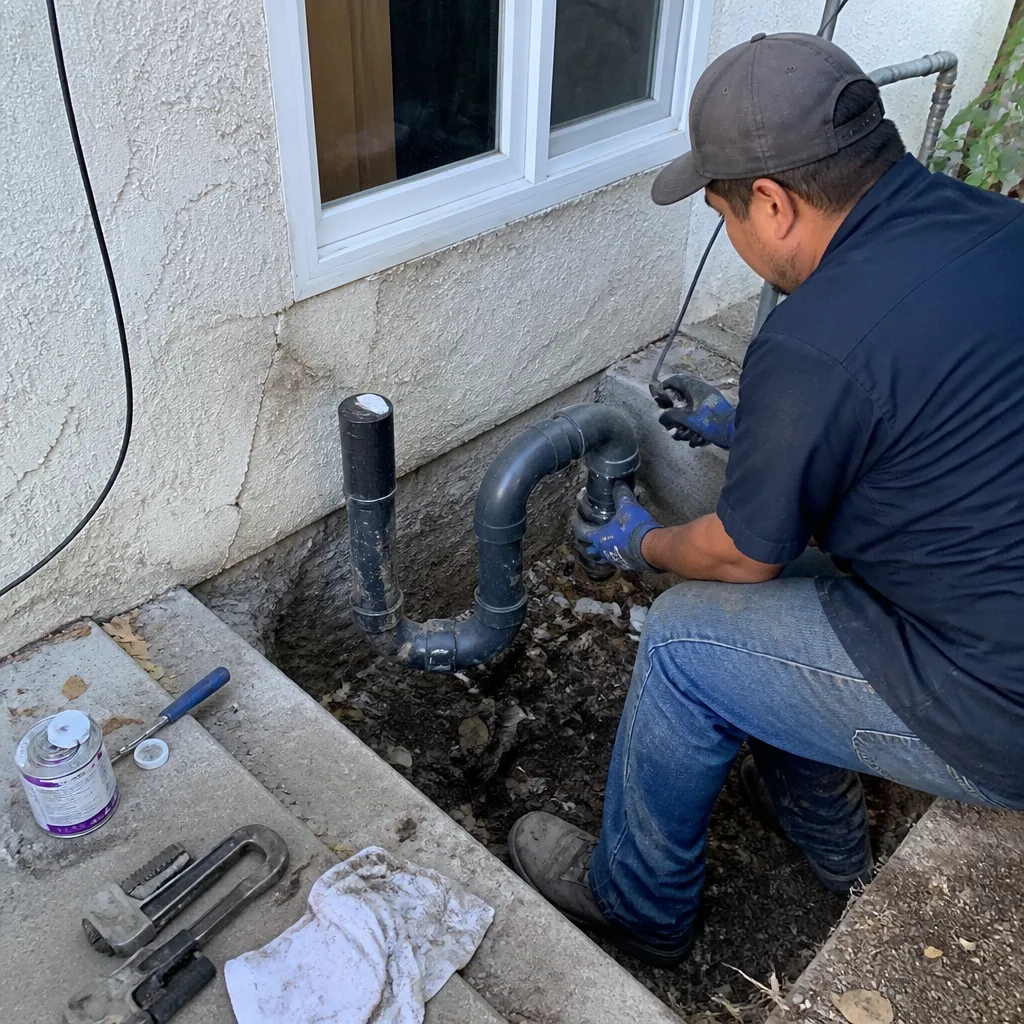 After
After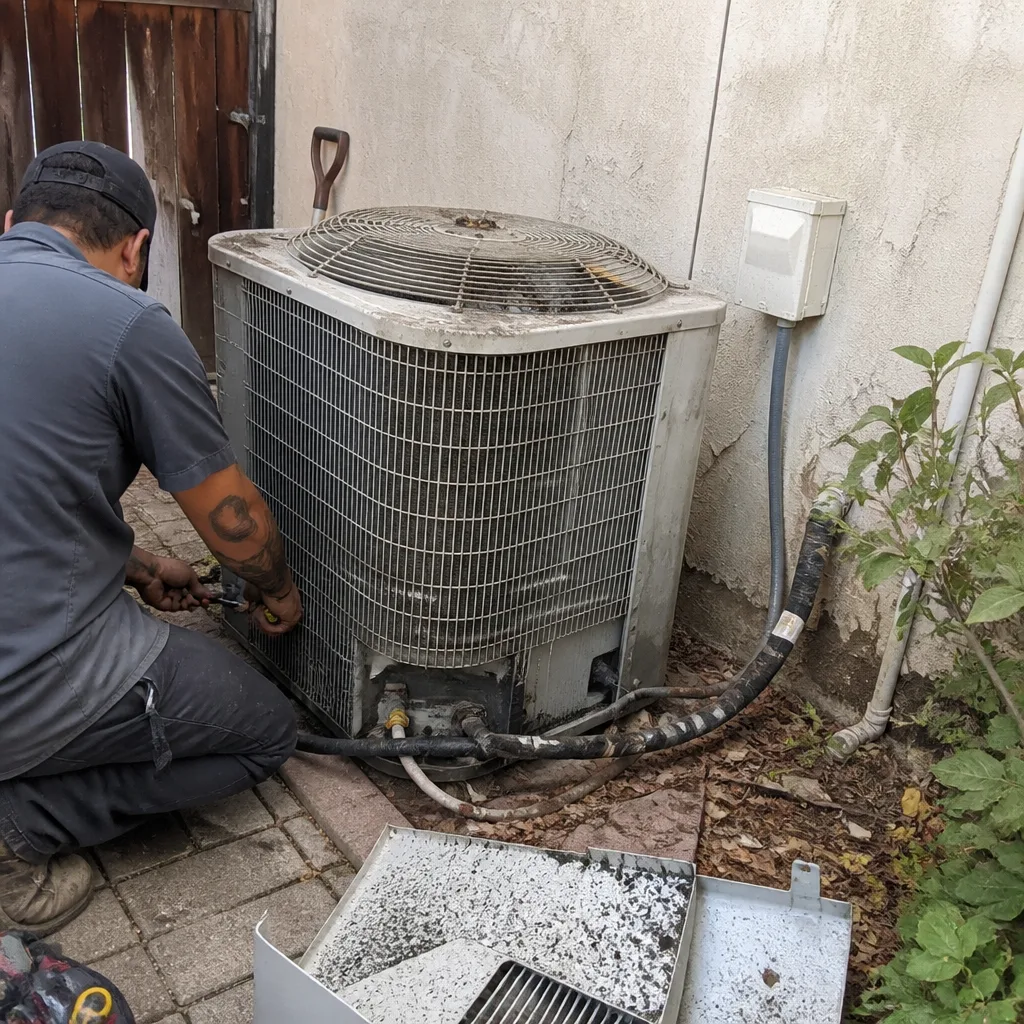 Before
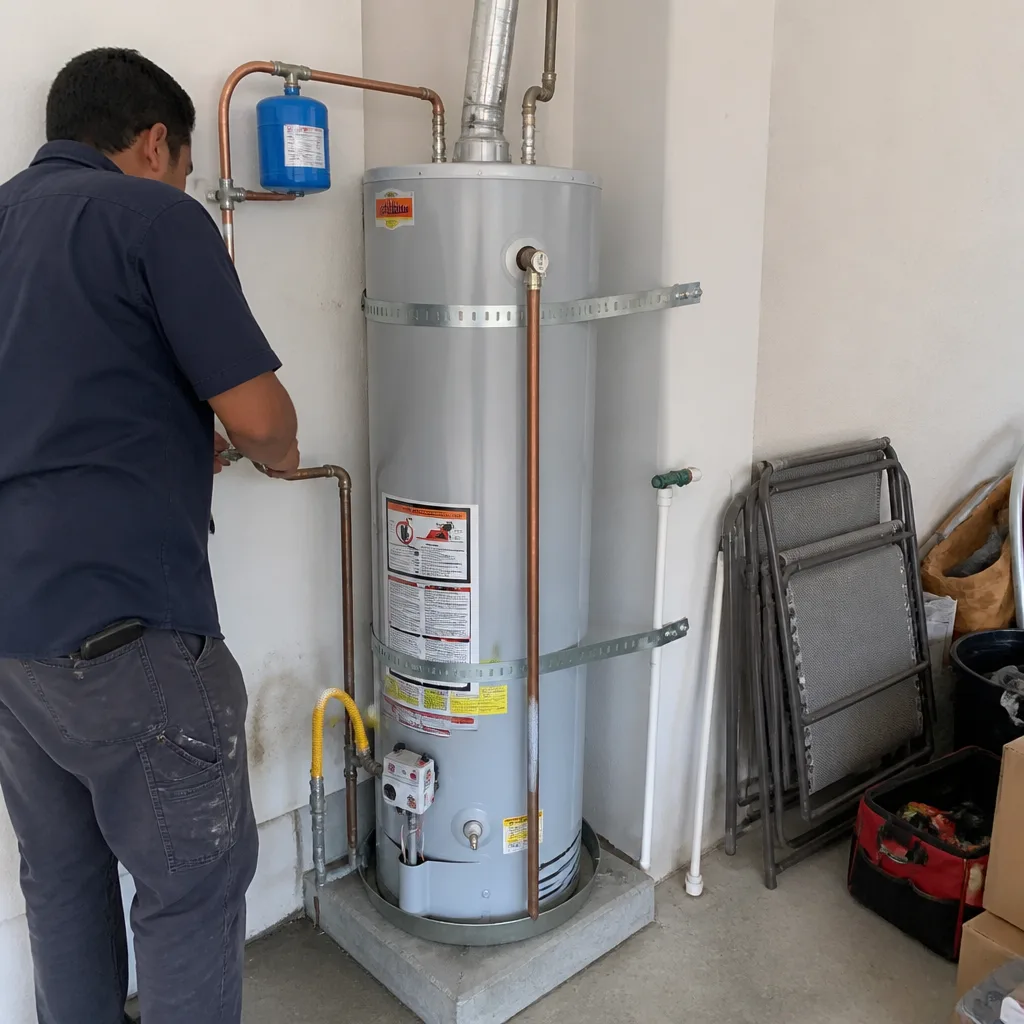 After
AfterConstruction Warning Signs: A Rancho Cucamonga Homeowner’s Reference Guide
Here’s the pattern we’ve documented across 4,000-plus projects: the contractors who produce the worst outcomes in Rancho Cucamonga rarely look like fraudsters. They show up on time, shake hands firmly, and speak with complete confidence. The damage comes later, in the gap between what was promised and what was written down. Our data shows that projects with incomplete bid documents finish 30-50% above their original figure more than two-thirds of the time. This guide names the specific documentation gaps, bidding patterns, and on-site warning signs that predict those overruns before you sign, and you can explore more guides & resources on protecting your project.
Quick Answer
The most reliable construction warning signs in Rancho Cucamonga are missing documentation on the bid, payment terms that exceed California’s legal deposit caps, and material substitutions that happen without written notice. A legitimate contractor provides a written price with material brands named, unit pricing shown, and a change-order clause before any work starts-principles covered in our How to Hire a Construction Contractor in Rancho Cucamonga: A Step-by-Step Guide. If any of those elements are absent, the project is statistically likely to exceed its budget by a significant margin.
Table of Contents
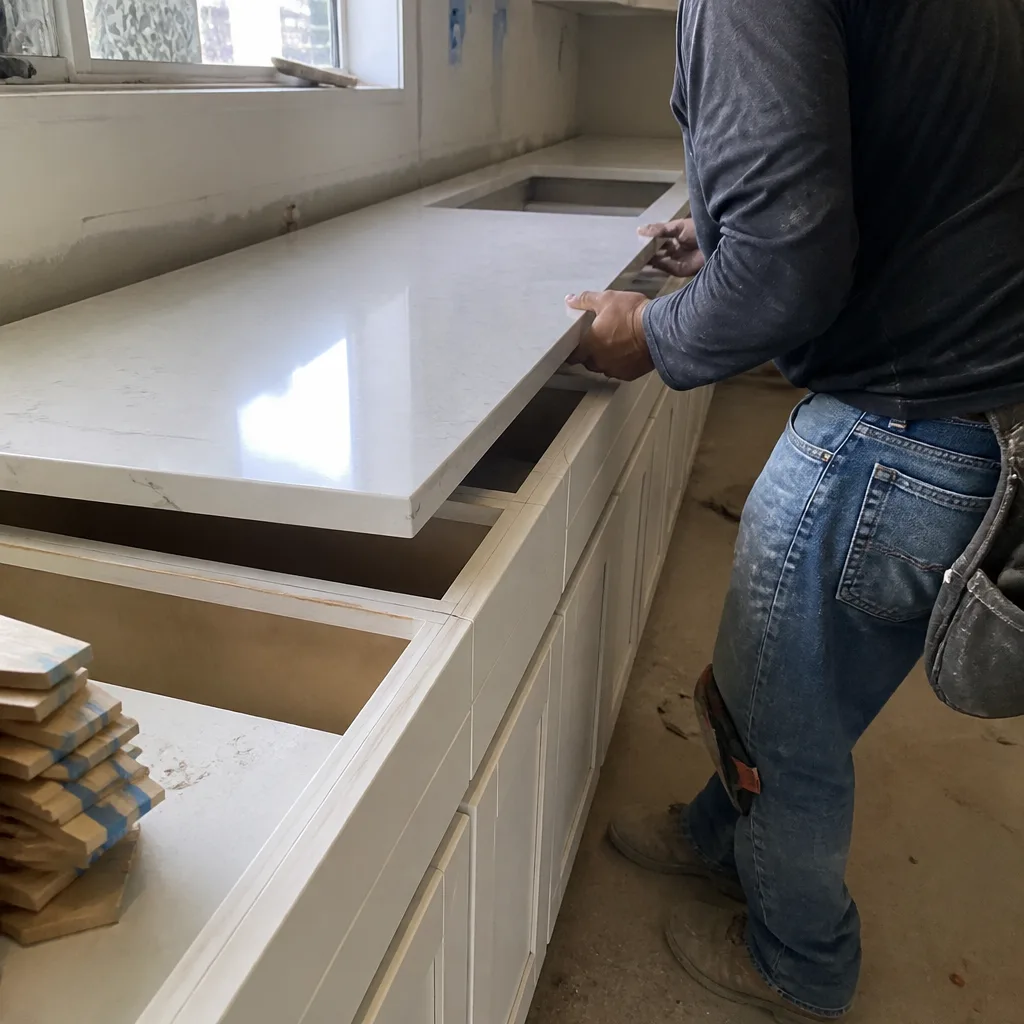
- The Seven Bid Document Gaps That Predict Overruns
- How to Spot Illegal Payment Terms in California Contracts
- Subcontractor Disclosure: What California Requires
- On-Site Warning Signs During Active Construction
- Lien Waiver Protocol: Conditional vs. Unconditional
- Rancho Cucamonga-Specific Code and Climate Considerations
- Common Mistakes to Avoid
- When to Call a Professional
- Frequently Asked Questions
 Before
 After
AfterThe Seven Bid Document Gaps That Predict Overruns
Every bid we review at Rowan Construction Group Rancho Cucamonga home contains the same elements, because Clause 1 of the Haven Standard requires a written price before any work starts. When we analyze competitor bids brought in for our Free Second Opinion, the same seven gaps appear repeatedly. Each one independently correlates with cost overruns, and together they form a near-certain predictor of dispute.
1. Missing material specifications. A bid that reads “install cabinets” without naming the brand, line, finish, and hardware package leaves a contractor free to source the lowest allowable grade. In Rancho Cucamonga’s market, where KraftMaid and Wellborn represent mid-grade options and custom lines run significantly higher, this ambiguity alone can create a $4,000-$8,000 swing on a kitchen project. The specification should read like an order form: brand, model, color code, and hardware finish, as detailed in our Kitchen Remodeling Maintenance Checklist for Rancho Cucamonga Homeowners.
2. Absent brand names. Generic descriptions like “granite countertop” or “composite roof” are meaningless. Cambria and Caesarstone are quartz products with different warranty terms and price points. GAF and Owens Corning shingles carry distinct wind ratings that matter in Rancho Cucamonga’s Santa Ana wind corridors. A bid without brands is a bid with a hidden upgrade path.
3. No unit pricing. Unit pricing shows the cost per square foot, linear foot, or each for every major component. Without it, you cannot verify that a scope increase matches actual material and labor costs. We’ve seen bids where a “small addition” of 40 square feet to a Kitchen Remodeling in Rancho Cucamonga was priced at $800 per square foot because the contractor knew the homeowner had no reference point. Unit pricing exposes that.
4. No allowance line items. Allowances are placeholder budgets for owner selections not yet made: tile, fixtures, lighting. A bid with zero allowances is either incomplete or contains hidden padding. A bid with allowances that total less than 15% of the project cost in Rancho Cucamonga’s market is typically under-budgeted, setting up a mid-project “surprise” when the homeowner selects materials that actually exist.
5. No exclusions list. The exclusions list defines what the contractor is NOT doing. No exclusions means no boundaries, and disputes arise at every boundary. Common exclusions in our market include: permit fees, temporary power, asbestos or lead testing, tree or stump removal, and soil correction. A bid without exclusions is a contract without edges.
6. No payment schedule. California law requires a payment schedule for home improvement contracts over $500. More importantly, the payment schedule reveals whether the contractor is using your project to fund operations. A schedule front-loaded before substantial completion correlates with contractors who are underwater on other jobs.
7. No change-order clause. This is the single most reliable predictor of final invoice shock. A bid without a written change-order procedure, requiring signed authorization before additional work proceeds, guarantees that “small extras” will accumulate without documentation until the final bill arrives. Under the Haven Standard, no change proceeds without a signed change order. This discipline is why our projects finish within a few percent of the agreed price.
How to Spot Illegal Payment Terms in California Contracts
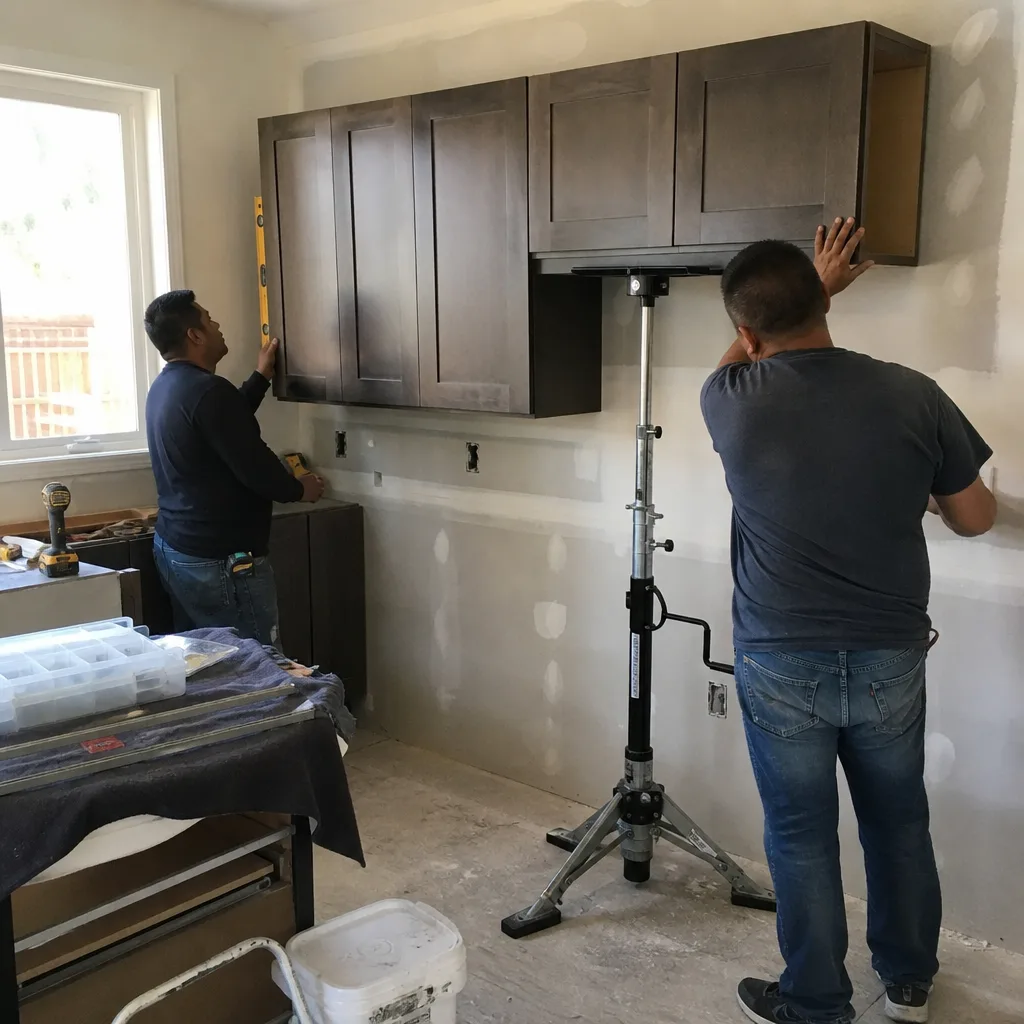
California Business and Professions Code Section 7159 sets hard limits on deposits for home improvement contracts: $1,000 or 10% of the contract price, whichever is less. This applies to all residential construction in Rancho Cucamonga and statewide. A contractor requesting 25%, 33%, or 50% upfront is either ignorant of the law or deliberately violating it. Both are disqualifying.
Here’s how the violation typically presents. The contractor explains that materials must be ordered, that custom cabinets or windows require prepayment, or that their “standard terms” reflect industry practice. None of these override the statute. A contractor who has delivered 4,000-plus projects, as Rowan has since 2007, has established credit with suppliers and does not require customer deposits to float material purchases.
The legal deposit structure should look like this:
- Initial deposit: $1,000 or 10%, maximum
- Progress payments tied to verifiable milestones: rough inspection passed, cabinets installed, final walkthrough complete
- Final payment: due only after final inspection and documented completion
A payment schedule that demands half the contract value before demolition begins is a liquidity signal. The contractor needs your cash to pay last month’s payroll or supplier bills. In Rancho Cucamonga’s construction market, where material lead times for products like Toto fixtures or Schluter waterproofing systems can extend 8-12 weeks, a financially stable contractor orders materials on net-30 terms and stores them without customer prepayment.
The documented photo record we provide on every visit, included as standard, creates a verifiable milestone history. The customer sees what was completed before each progress payment is due. This eliminates the “trust me” phase that precedes most payment disputes.
Subcontractor Disclosure: What California Requires
California Contractors State License Law requires general contractors to disclose on the bid whether subcontractors will perform any portion of the work, and if so, to name them or state that they will be selected later. This is not administrative trivia. The subcontractor disclosure reveals who actually holds the license and insurance for the work being sold.
A bid that lists only the general contractor’s license number, with no subcontractor names, creates several risks. First, if the general contractor is using unlicensed subs, the homeowner has no recourse through the Contractors State License Board for defective work. Second, if the subcontractor is not paid by the general, the subcontractor can file a mechanics lien against the homeowner’s property, even if the homeowner paid the general in full.
The disclosure should specify:
- Trade being subcontracted (electrical, plumbing, roofing, etc.)
- Subcontractor’s company name and CSLB license number
- Certificate of insurance on file with the general contractor
In Rancho Cucamonga, where Roofing in Rancho Cucamonga projects frequently involve specialized crews for tile, composite, or flat membrane systems, the subcontractor identity matters for warranty enforcement. GAF and Owens Corning both require installation by certified contractors to honor their system warranties. A general contractor who obscures the actual installer jeopardizes that coverage.
When we bid projects in Rancho Cucamonga neighborhoods like Alta Loma or Etiwanda, our subcontractor disclosures include license numbers and insurance certificates. Customers can verify them independently through the CSLB website. A contractor who resists this transparency is telling you something material about their operation.
On-Site Warning Signs During Active Construction
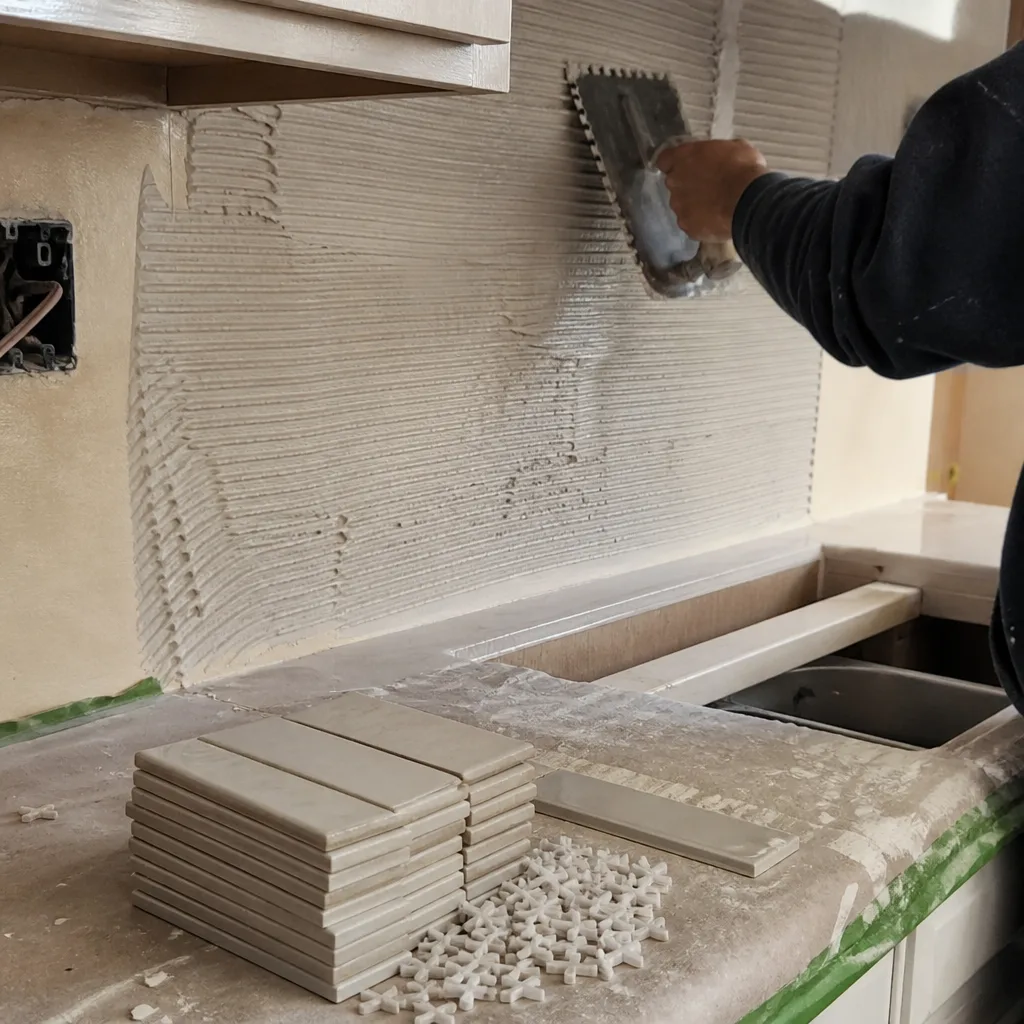
Documentation gaps in the bid phase predict problems. On-site behavior during construction confirms them. These are the observable patterns our project managers document when called to assess troubled jobs in Rancho Cucamonga.
Material substitution without written notice. The tile arrives in a different box than specified. The shingle bundle shows a different brand. The window sticker reveals a lower performance grade. California law requires written change orders for material substitutions, but more importantly, the substitution pattern signals financial stress. The contractor accepted your deposit, then shopped for cheaper materials to preserve margin. In Rancho Cucamonga’s climate, where summer surface temperatures on concrete and tile exceed 140°F, substituting a lower-grade membrane or paver base material creates failure within two to three years.
Crew size drops mid-project. A three-person crew becomes one person working half-days. Demolition finishes, then nothing happens for a week. This is the “robbing Peter to pay Paul” pattern: your contractor has taken on more work than they can staff and is cycling crews between jobs to stall creditors. The documented photo record we maintain on every visit would reveal this immediately; customers without documentation are left guessing whether progress is occurring.
Permit card not posted. In Rancho Cucamonga, the city requires the approved permit card to be posted visibly on the job site. Its absence means either the permit was not pulled or the contractor removed it to avoid inspector notice. Both are serious. Unpermitted work must be disclosed on sale and can trigger mandatory removal. A contractor who avoids permits is avoiding the inspection sequence that verifies structural, electrical, and plumbing compliance.
Requests for payment beyond the written schedule. “We need another $5,000 to order the cabinets” or “The plumber needs to be paid direct” are liquidity crisis indicators. Under the Haven Standard, payment terms are fixed at signing. Any deviation requires a signed amendment. A contractor manufacturing urgency around payment is describing their own cash flow, not your project needs.
Change orders for “discovered” conditions that should have been visible. A water-damaged subfloor under existing tile. Outdated wiring behind drywall. These are discoverable during initial site inspection. A bid that omits contingency for visible conditions, then produces change orders for them, was either incompetently prepared or deliberately underpriced to secure the contract.
Lien Waiver Protocol: Conditional vs. Unconditional
Mechanics liens are the most powerful tool available to unpaid construction participants in California, and they attach to your property regardless of whether you paid the general contractor. Lien waivers are your defense. Understanding the two types, and when to request each, separates protected homeowners from those who discover a $30,000 lien during escrow.
Conditional lien waiver. This states that the signer waives lien rights contingent upon receiving the specified payment. You issue it with your progress payment check. The waiver is effective only if the check clears. This is the waiver you should receive from the general contractor and from every named subcontractor with each progress payment.
Unconditional lien waiver. This states that the signer waives lien rights regardless of payment status. It is appropriate only at final payment, when you have verified that all subcontractors and suppliers have been paid in full. Requesting unconditional waivers at progress payments is a warning sign: the contractor wants to extinguish your defenses before you know whether your money reached the subs.
The proper sequence for a Rancho Cucamonga project:
- Before first progress payment: request conditional lien waivers from general contractor and all disclosed subcontractors
- At each progress payment: exchange conditional waivers for payment, verify check clearance
- Before final payment: request unconditional final waivers from all parties, plus affidavit of completion of payments
- At final payment: exchange unconditional waivers for final check, retain copies with your project file
A contractor who resists providing lien waivers, who provides only the general contractor’s waiver without sub waivers, or who asks you to sign documents “to speed things up” is creating liability you will inherit. In our experience reviewing competitor projects gone wrong, the absence of a lien waiver protocol is present in nearly every case where the homeowner faced unexpected claims.
Our standard deliverable includes lien waiver documentation at each payment milestone, organized in the project file the customer receives at completion. This is not an upgrade. It is the administrative discipline that Haven acquired Rowan for, applied to every project.
Rancho Cucamonga-Specific Code and Climate Considerations
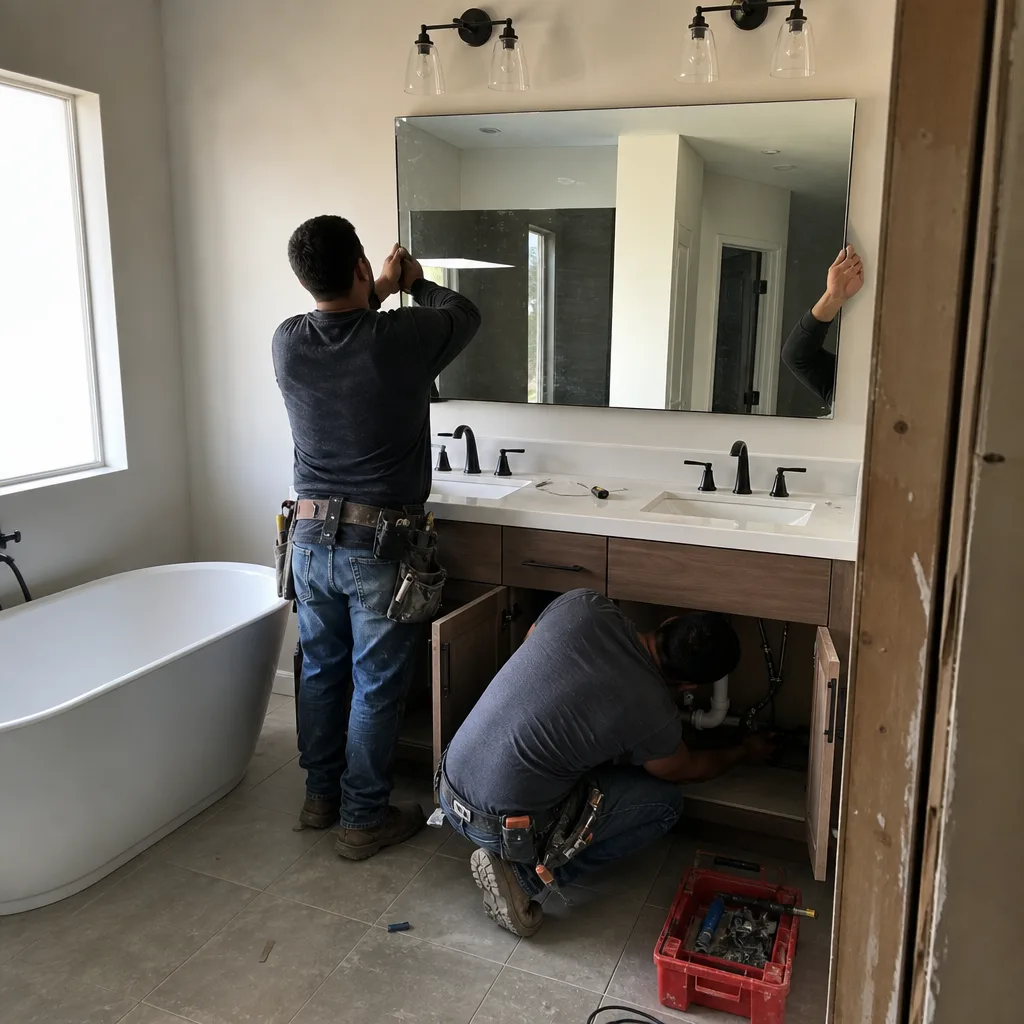
Rancho Cucamonga’s location at the base of the San Gabriel Mountains creates specific construction conditions that honest bids address directly and problematic bids ignore. The Santa Ana wind corridor, the alluvial soil composition, and the city’s particular code amendments all affect project planning.
Wind exposure. The 2019 California Building Code, as amended by Rancho Cucamonga, requires specific fastening patterns for roofing in wind zones. GAF Timberline HDZ and Owens Corning Duration shingles both carry ratings for these conditions, but only when installed to manufacturer’s specifications with the enhanced nailing pattern. A bid that specifies “30-year shingles” without naming the product or the fastening specification is incomplete. In the wind corridors near the 210 freeway and north toward the foothills, we’ve seen improperly fastened roofs lose tabs in the first Santa Ana event.
Soil and drainage. Rancho Cucamonga’s alluvial soils drain well but can be expansive in certain zones. For Bathroom Remodeling in Rancho Cucamonga projects, this affects slab-on-grade plumbing and the need for proper membrane installation. Schluter-Kerdi waterproofing, properly specified, addresses this. A bid that mentions “waterproofing” without naming the membrane system or the installation standard leaves a gap that manifests as moisture migration two to three years later.
Permit and inspection timing. Rancho Cucamonga’s Building and Safety Division schedules inspections with specific windows. A contractor who begins work without permit approval, or who asks you to “get the permit as owner” to save time, is avoiding the inspection sequence. Owner-permitted work removes the contractor’s accountability for code compliance and voids many manufacturer warranties.
Water conservation fixtures. The city’s location in a water district with conservation mandates affects fixture selection. Toto and American Standard both produce compliant lines, but the specific model numbers matter for rebate eligibility and flow-rate verification. A bid that specifies “low-flow fixtures” without model numbers cannot be verified against compliance requirements.
These are not obscure technicalities. They are the conditions that determine whether a project performs over its design life. A bid that addresses them specifically, with brands and specifications named, demonstrates preparation. A bid that ignores them, or addresses them generically, demonstrates either inexperience or the intention to substitute later.
Common Mistakes to Avoid
- Accepting a verbal price as a placeholder. The contractor who says “let’s get started and I’ll write it up next week” is using your commitment to obscure the actual cost. Under Clause 1 of the Haven Standard, the price is written before anyone starts. No exceptions.
- Comparing bids without normalizing scope. A $45,000 kitchen bid with KraftMaid cabinets and Cambria countertops is not comparable to a $38,000 bid with no brands named. The lower bid is incomplete, not competitive. Normalize for material specifications, allowance totals, and exclusion lists before comparing figures.
- Paying deposits beyond California’s legal limit. The $1,000 or 10% cap exists because contractors who need more are financially unstable. Paying 25% or 50% does not secure better service; it secures your position as an unsecured creditor when the contractor fails.
- Failing to verify the CSLB license independently. License status, bond amount, workers’ compensation coverage, and disciplinary history are public record at cslb.ca.gov. A contractor who discourages this verification has a reason.
- Ignoring the absence of a change-order clause. Every project encounters conditions that require adjustment. The question is whether those adjustments are documented, priced, and authorized before work proceeds. A contract without this mechanism guarantees dispute.
- Neglecting to request lien waivers at each payment. The general contractor’s assurance that “everyone’s been paid” is not legal protection. Conditional waivers with each progress payment, unconditional waivers at final, create the documentation trail that prevents surprise claims.
- Assuming that active work means progress. A crew present on site is not the same as milestone completion verified by inspection. The documented photo record we provide shows what was actually accomplished, not what was promised.
When to Call a Professional
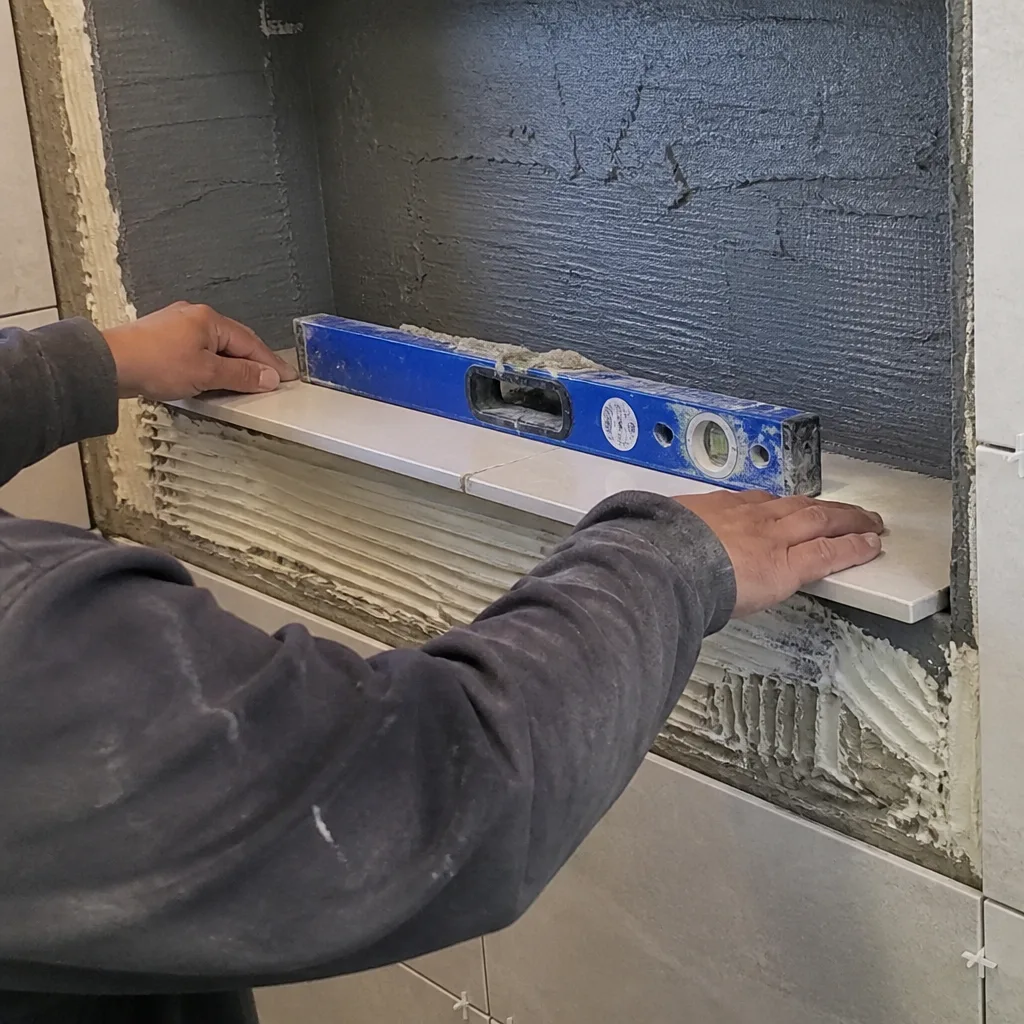
Call a licensed contractor when any of these conditions apply: your project requires a building permit; the work involves structural, electrical, plumbing, or roofing components; the estimated cost exceeds $500 and requires a formal contract under California law; or you have received a bid with any of the seven documentation gaps described in this guide and need a verified second opinion.
Rowan Construction Group Rancho Cucamonga offers free estimates in Rancho Cucamonga, with a written price delivered before any work starts and a Free Second Opinion on any written estimate brought to us. Our crews are background-checked and uniformed; a live person answers calls 24/7; and every visit includes a documented photo record as standard. For projects from kitchen and Bathroom Remodeling in Rancho Cucamonga to roofing, windows, and home additions, the process is the same: flat written price, written scope, signed change orders for any adjustment, and the 365-Day Done Right Promise backed by The Haven Standard. Call (909) 373-9612 to schedule your free estimate.
Frequently Asked Questions
California law limits the initial deposit for home improvement contracts to $1,000 or 10% of the contract price, whichever is less. This applies to all residential construction in Rancho Cucamonga. A contractor requesting more is violating Business and Professions Code Section 7159. Call (909) 373-9612 for a free estimate with compliant payment terms.
A complete bid includes material specifications with brand names, unit pricing, allowance line items, an exclusions list, a payment schedule tied to milestones, and a change-order clause requiring signed authorization. Missing any of these elements correlates with cost overruns of 30-50% or more. We provide all seven elements on every Rowan Construction Group Rancho Cucamonga project.
Request the permit number and verify it through Rancho Cucamonga’s Building and Safety Division at cityofrc.us. The approved permit card must be posted visibly on the job site. If the contractor asks you to pull the permit as owner, or if no card is visible after work begins, stop work and verify status before proceeding.
A conditional lien waiver is effective only if payment clears, and you should receive one from the general contractor and all subcontractors with each progress payment. An unconditional lien waiver extinguishes lien rights regardless of payment status, and is appropriate only at final payment when all obligations are verified complete. A contractor who resists providing these waivers, or who asks for unconditional waivers at progress payments, is creating liability you will inherit.
Absent brand names allow material substitution without accountability. In Rancho Cucamonga’s market, where climate conditions demand specific performance grades, the difference between specified and substituted materials can determine whether the project lasts 10 years or 25. A bid should read like an order form: brand, model, color code, and finish. Call (909) 373-9612 for a line-item quote with brands named.
Requests for payment beyond the written schedule typically signal cash flow distress, not project necessity. Under the Haven Standard, no additional payment is due outside the signed schedule, and no change order is implemented without written authorization and a signed amendment. If your contractor is manufacturing urgency around payment, verify permit status, lien waiver documentation, and CSLB license standing before responding.
The Bottom Line
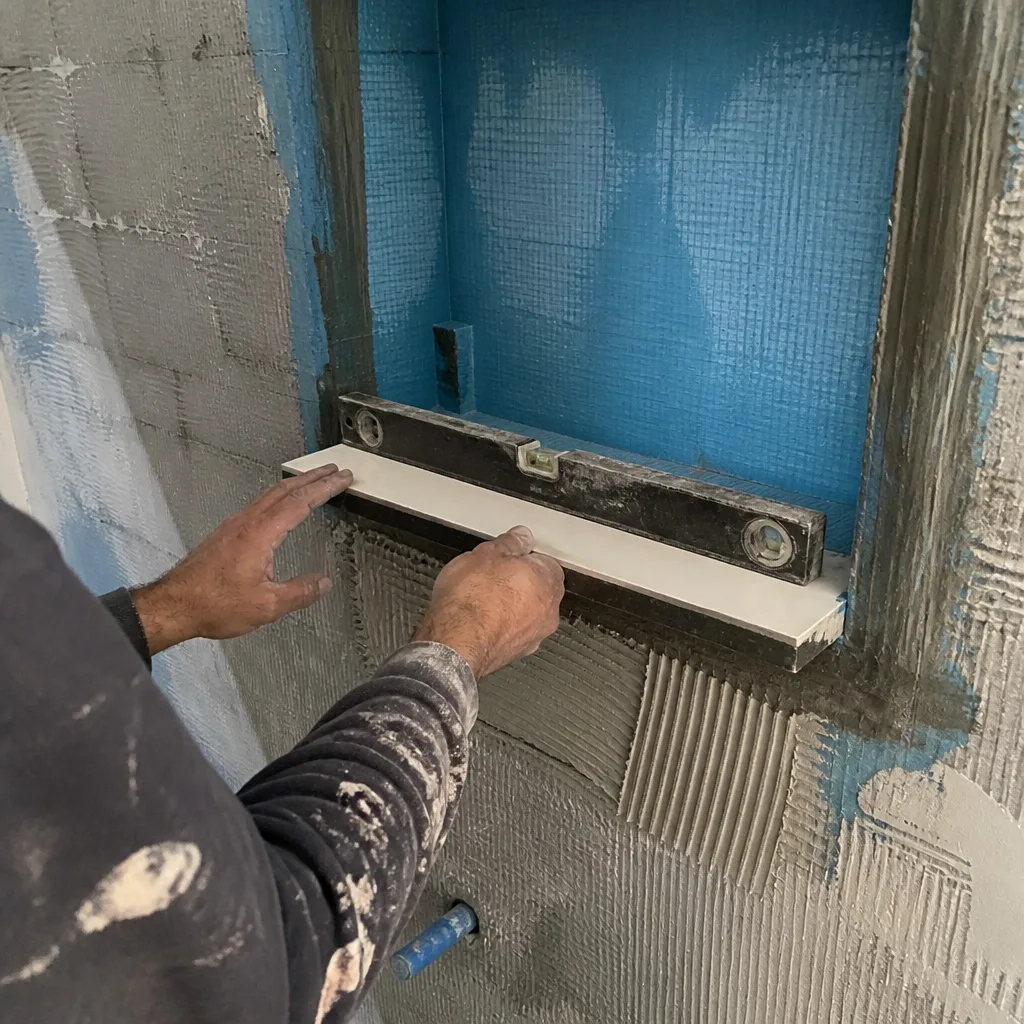
Construction warning signs in Rancho Cucamonga are not dramatic. They are ordinary documentation gaps: the bid without unit pricing, the contract without a change-order clause, the payment schedule that exceeds California’s legal deposit cap, the permit card that never appears. Each gap is measurable, each gap is preventable, and each gap predicts the same outcome, a final invoice that bears little resemblance to the original figure. The protection is systematic verification of documents before signing, not intuition about character. Rowan Construction Group Rancho Cucamonga has maintained this discipline across 4,000-plus projects since 2007: written price first, signed change orders for any adjustment, documented photo record on every visit, and the 365-Day Done Right Promise printed on every page.
Written by Grant Rowan, Owner at Rowan Construction Group Rancho Cucamonga, serving Rancho Cucamonga since 2007.