
Last updated September 24, 2026
Free written scope consultation - allowances, timeline, and change-order rules on paper before a single trade is scheduled
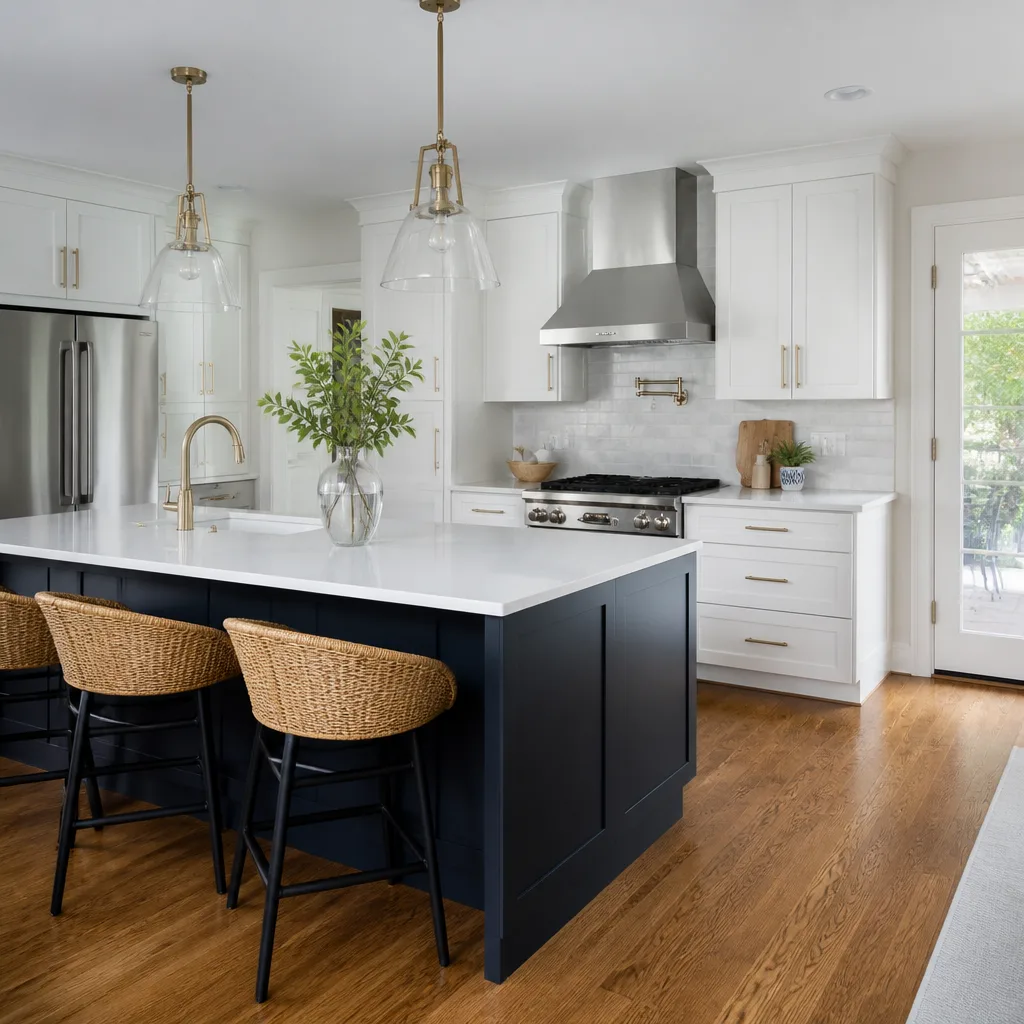
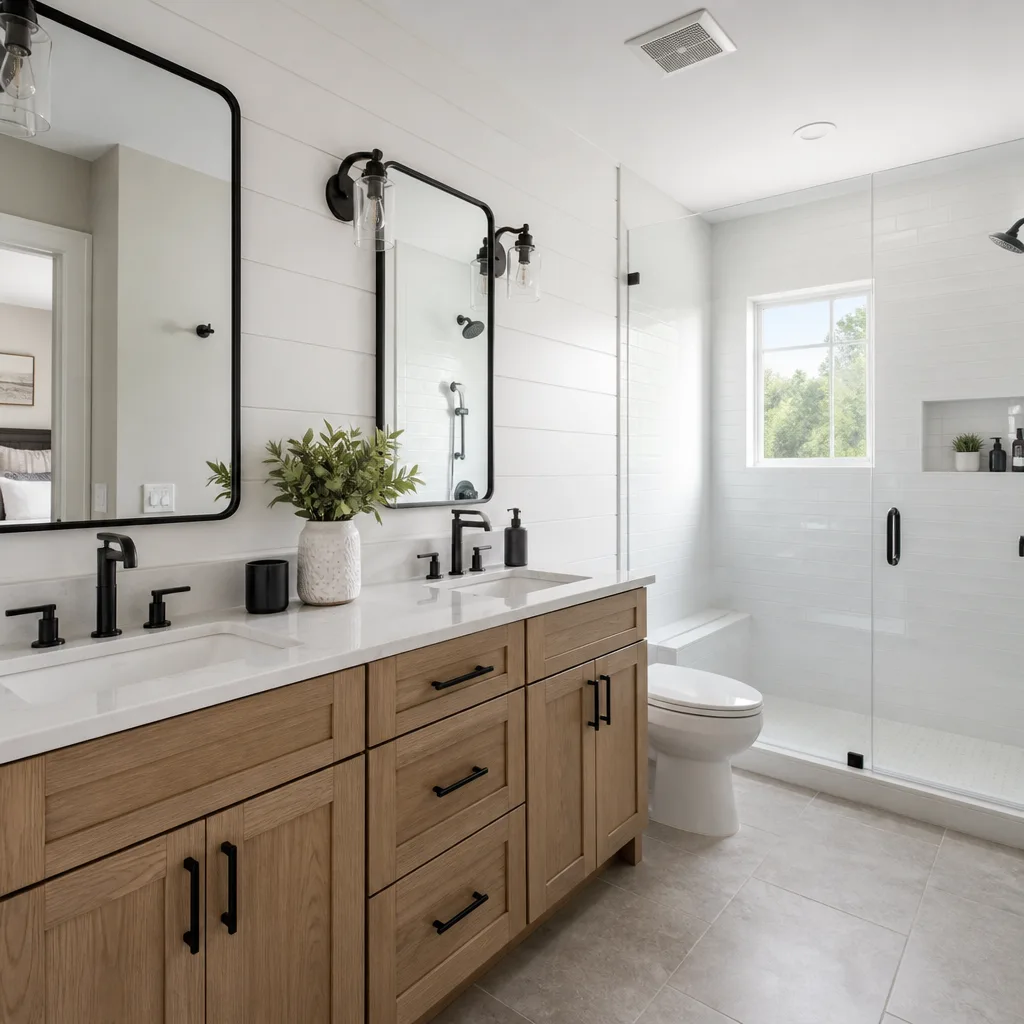
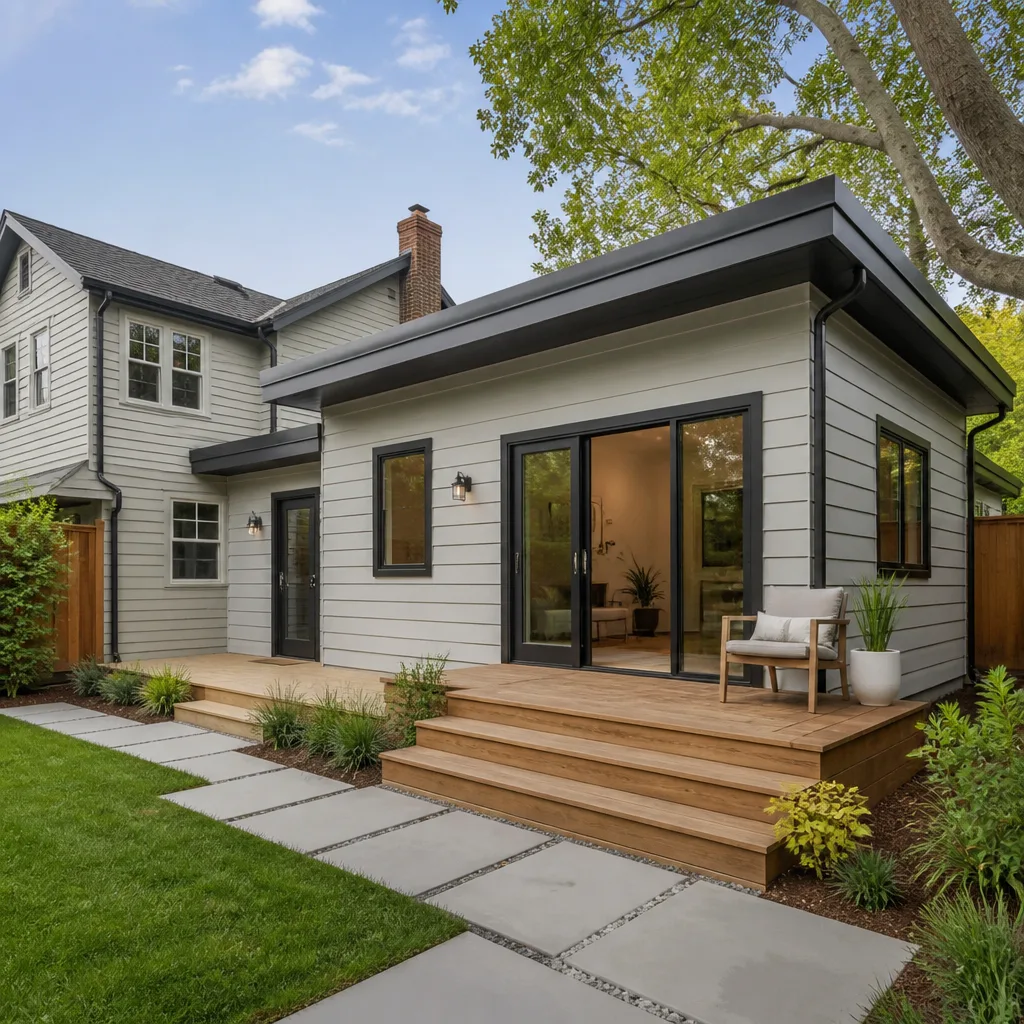
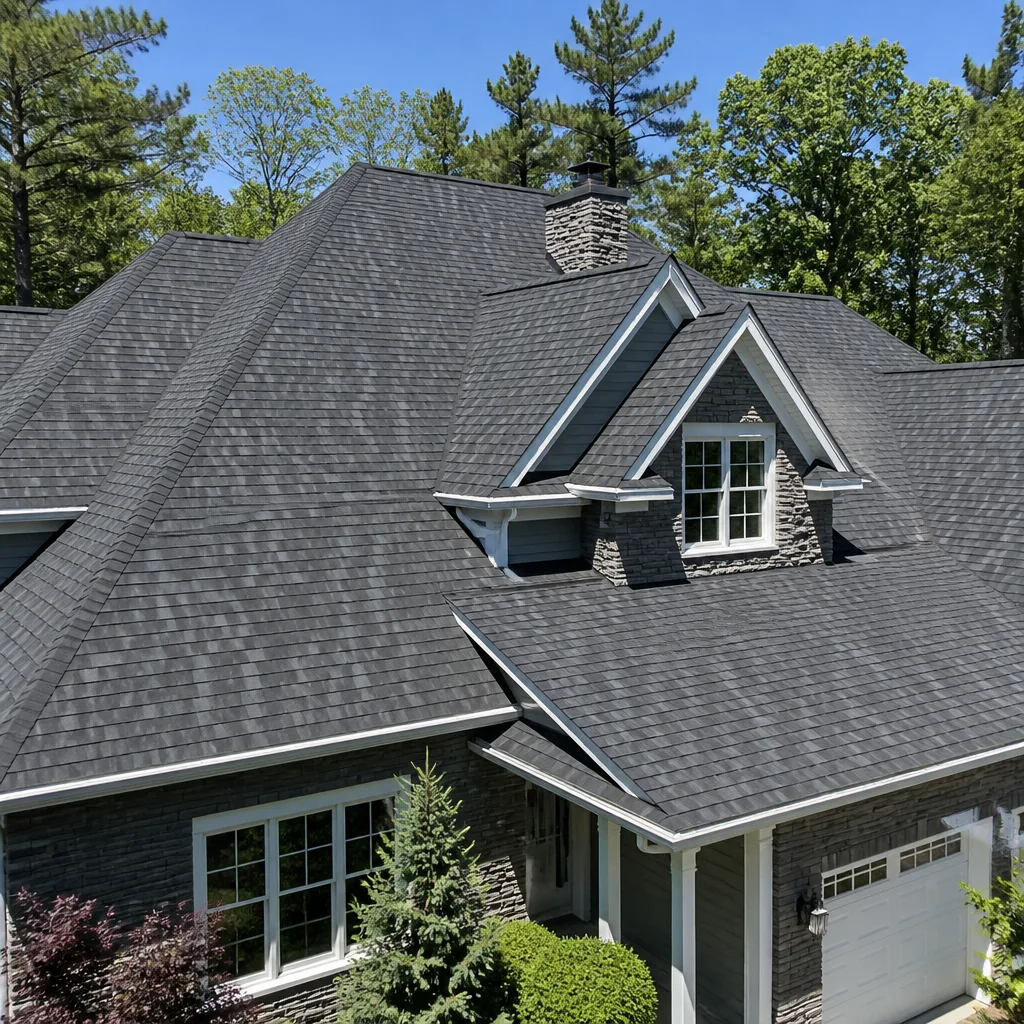
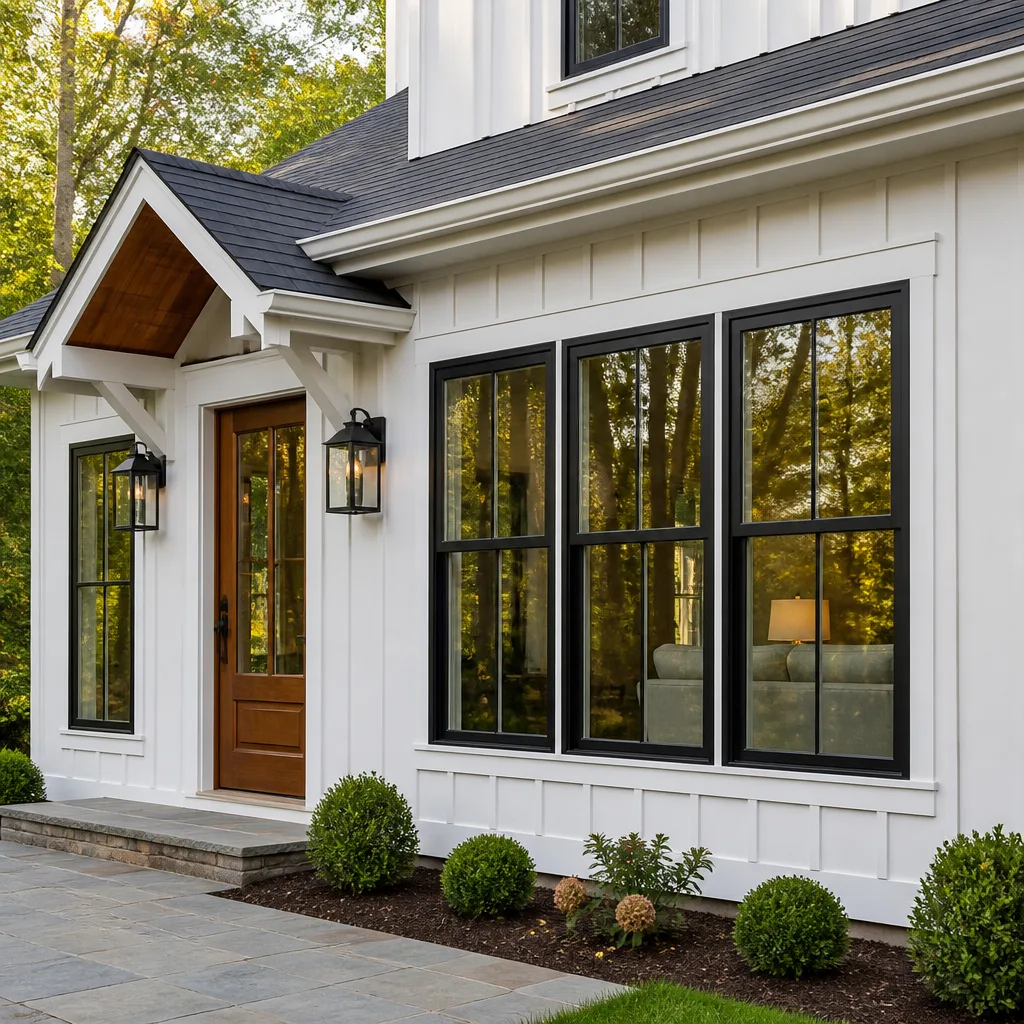
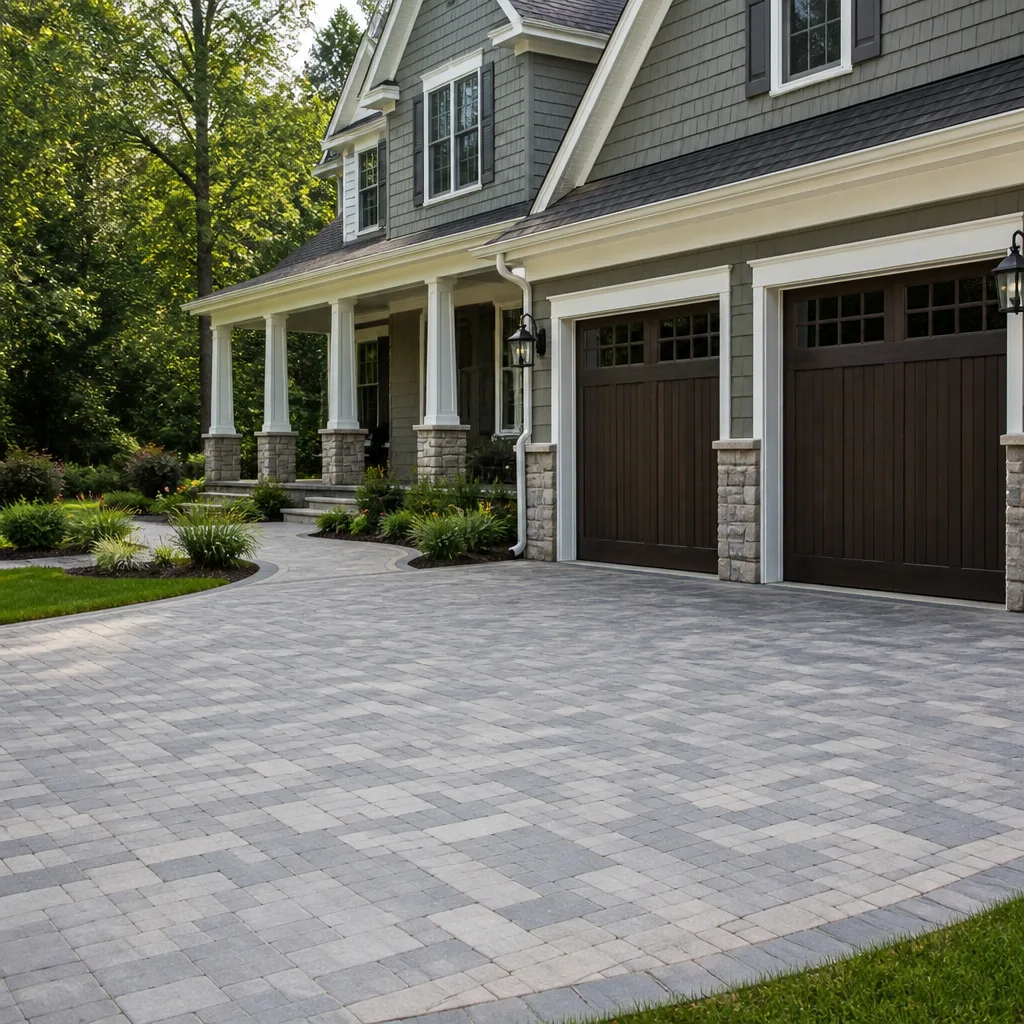
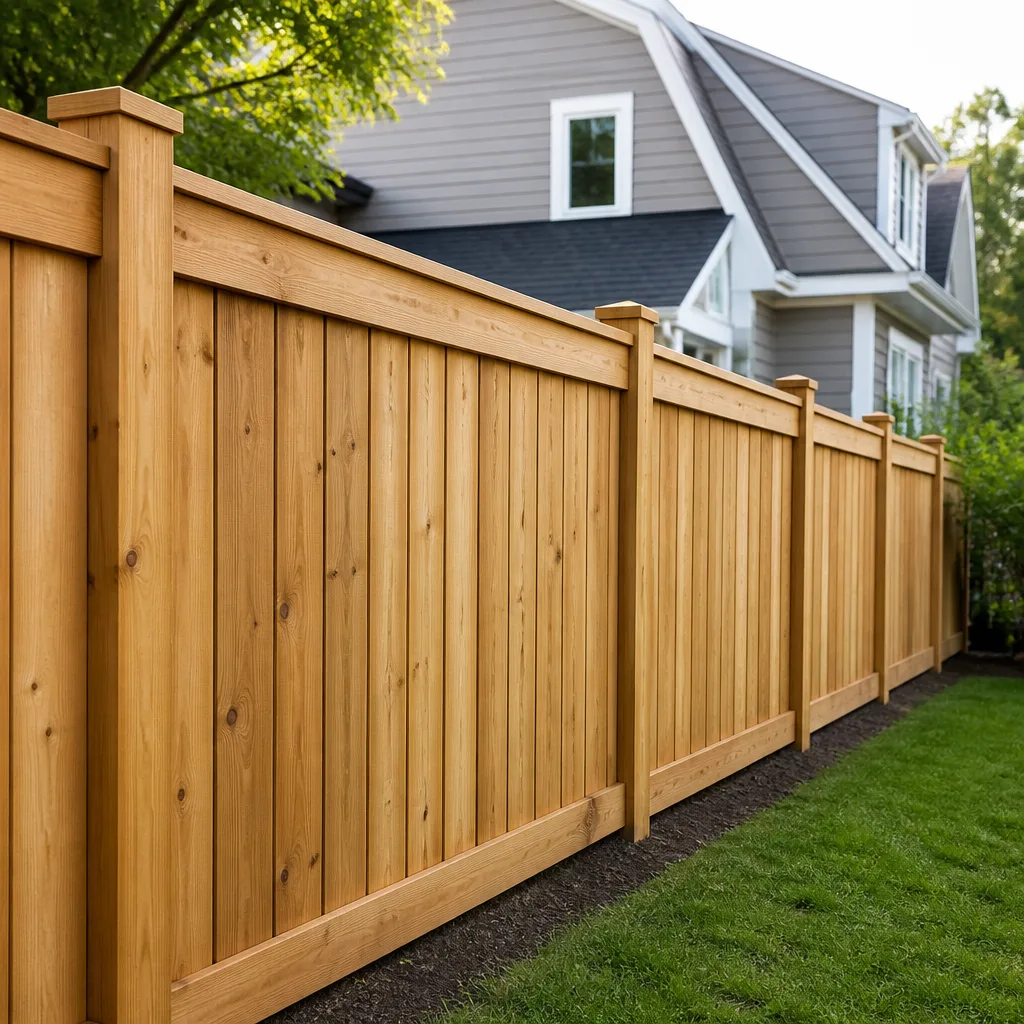
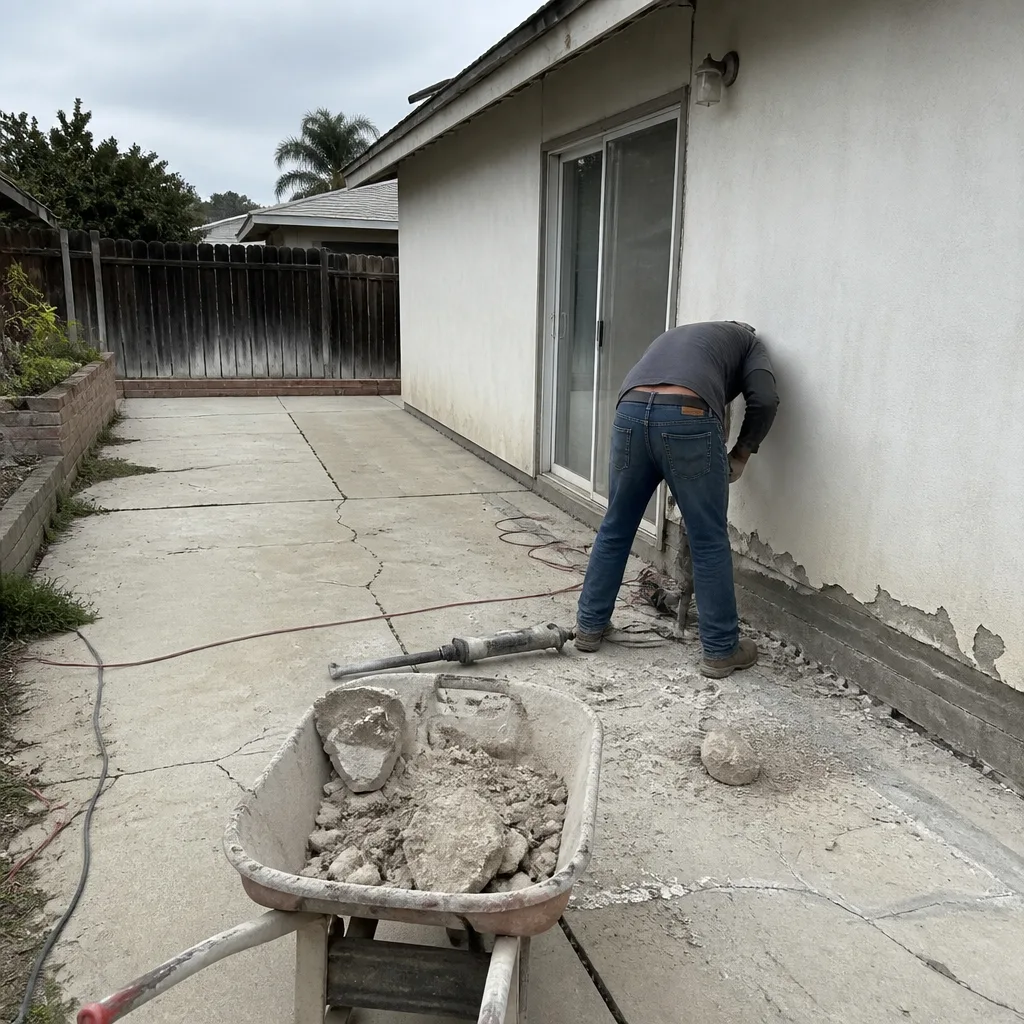 Before
 After
After Before
 After
After Before
 After
AfterConstruction Cost Breakdown: The Rancho Cucamonga Homeowner’s Reference for 2026
The most-cited national cost-per-square-foot for a kitchen remodel ($150-$250) assumes a labor market and material supply chain that doesn’t exist in the 91730 zip code. Actual Rancho Cucamonga mid-range kitchen remodels in 2025 ran $31,000-$58,000 for 200 square feet, a range that narrows sharply once you specify cabinet brand, countertop material, and appliance tier. This guide builds a cost reference from the Rancho Cucamonga market specifically, with line-item ranges by trade, material benchmarks for the Inland Empire, and permit fees for San Bernardino County - so you can compare bids with numbers that reflect where you actually live, not where a national database thinks you live.
Quick Answer
A typical whole-home construction project in Rancho Cucamonga in 2026 runs $125-$195 per square foot for finished space, with trade labor accounting for 40-50% of total cost, materials for 35-45%, and permits, design, and temporary facilities for the remainder. A mid-range kitchen remodel costs $31,000-$58,000; a bathroom remodel $18,000-$34,000; a 400-square-foot home addition $78,000-$128,000; and a complete re-roof on a 2,000-square-foot home $12,500-$22,000. These ranges reflect Rancho Cucamonga’s open-shop labor market, Inland Empire material freight costs, and San Bernardino County permit fee schedules - not Los Angeles or national averages.
Table of Contents
- Trade-by-Trade Labor Rates in Rancho Cucamonga for 2026
- Material Cost Benchmarks for Inland Empire Remodels
- Permit Fees: San Bernardino County and City of Rancho Cucamonga
- The Three Cost Categories Homeowners Consistently Underbudget
- How to Read Allowance Line Items and Compare Bids Honestly
- Project-Type Cost Ranges for Rancho Cucamonga in 2026
- Cost Control: The Systems That Keep Projects Within Budget
 Before
 After
AfterTrade-by-Trade Labor Rates in Rancho Cucamonga for 2026
Rancho Cucamonga sits in the Inland Empire’s open-shop construction market, meaning most residential work is performed by non-union crews. This produces labor rates 15-25% below Los Angeles County union scale but with wider variability in crew quality. Understanding these rates helps you spot bids that are either unrealistically low (cutting on payroll taxes or worker comp) or padded (charging union rates for open-shop crews).
Here are the prevailing residential labor rates we’ve tracked across our projects in Rancho Cucamonga, Ontario, Upland, and Fontana for 2026:
- Framing carpentry: $28-$38 per hour open shop; $42-$55 per hour union. Most Rancho Cucamonga residential work uses open-shop crews. A 400-square-foot addition frame typically runs 120-160 hours including sheathing.
- Electrical: $55-$75 per hour for a licensed electrician (C-10); apprentices at $22-$32 per hour. Kitchen remodels with panel upgrades require 40-80 hours. Whole-home rewires on 1970s Alta Loma or Etiwanda homes run 120-200 hours.
- Plumbing: $65-$85 per hour for a licensed plumber (C-36); $35-$48 per hour for apprentices. Bathroom relocations in older Victoria Gardens-area homes often encounter galvanized supply lines, adding 8-15 hours to the estimate.
- HVAC: $75-$95 per hour for a licensed contractor (C-20); duct modifications for additions run $3,500-$6,500 in labor alone. Mini-split installations, increasingly common in ADU projects, run $2,800-$4,200 per zone.
- Tile setting: $8-$14 per square foot for floor tile; $22-$35 per square foot for shower walls with waterproofing membrane (the liquid-applied or sheet membrane that prevents moisture damage behind tile). Porcelain plank formats command the higher end.
- Drywall: $1.80-$2.80 per square foot hung, taped, and textured. Level 5 finish (smooth, paint-ready without texture) adds $0.60-$1.20 per square foot and is increasingly specified in modern Rancho Cucamonga kitchens.
- Painting: $2.80-$4.50 per square foot of wall surface for two coats, including prep. Vaulted ceilings in newer North Rancho Cucamonga tracts add 20-30% to labor hours.
Union versus open-shop matters most on large projects. A 1,200-square-foot second-story addition with union framing, electrical, and plumbing crews runs 18-25% higher in labor cost than the same project with vetted open-shop contractors. The quality differential narrows when you verify worker comp, liability insurance, and crew tenure - not all open-shop crews are equal, and not all union crews are worth the premium.
We’ve found that Rancho Cucamonga’s summer heat (consistent triple-digit July-August days) adds 5-10% to exterior trade productivity from June through September. Framing crews start at 6:00 AM to beat heat; roofing work shifts to spring and fall scheduling. A bid that doesn’t account for seasonal productivity adjustments may lowball labor hours and generate change orders later.
Material Cost Benchmarks for Inland Empire Remodels
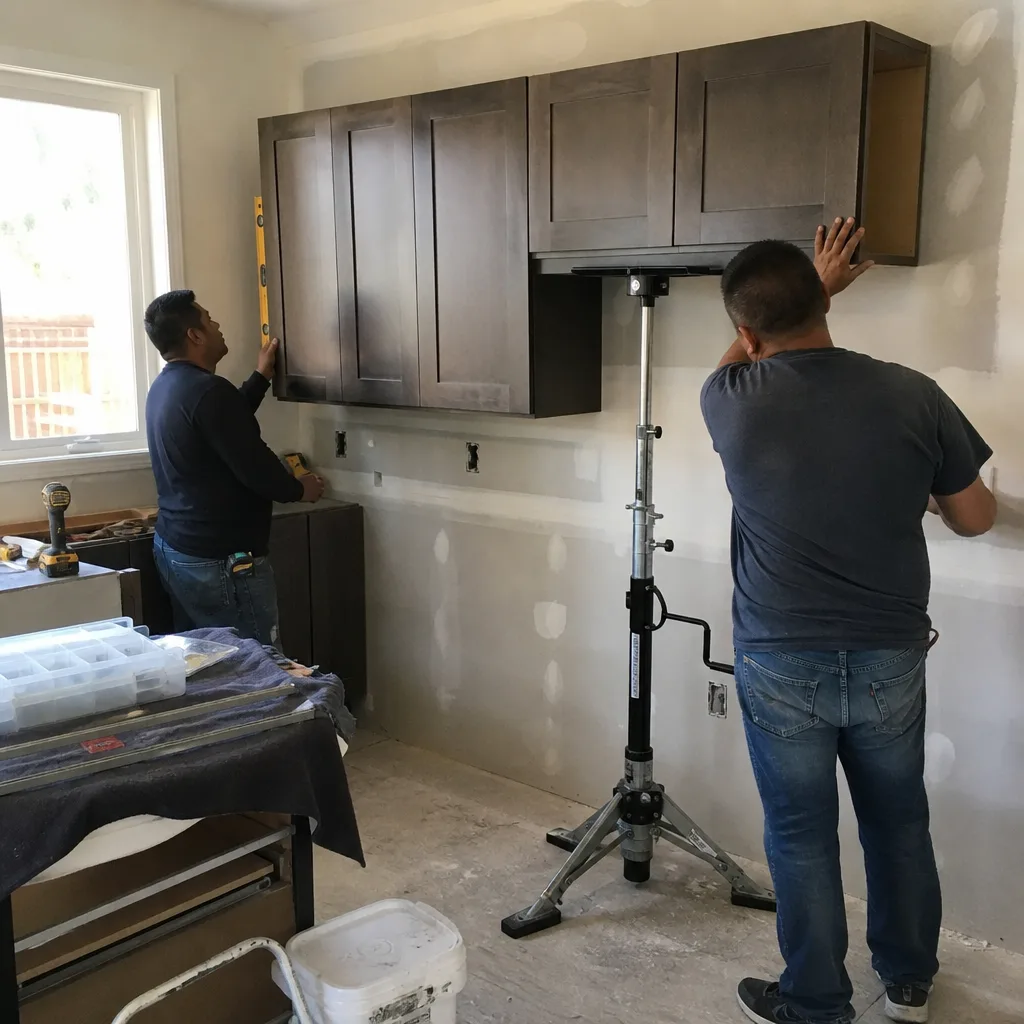
Material costs in Rancho Cucamonga carry a freight premium compared to Los Angeles basin pricing - roughly 3-7% for lumber, 5-12% for cabinets and countertops, and 8-15% for specialty items like large-format porcelain or engineered stone. The 210/15 freeway corridor moves most supply, but Inland Empire distributors maintain smaller inventories than their Ontario or Pomona counterparts, leading to longer lead times and occasional substitution pressures.
These are the 15 most-specified products in our Rancho Cucamonga projects, with current unit pricing and the markup range a homeowner should expect from a contractor:
- KraftMaid semi-custom cabinets: $285-$420 per linear foot (box, door, drawer, standard hardware). Wellborn’s equivalent line runs $265-$395. A typical 200-square-foot kitchen with 24 linear feet of cabinetry: $6,800-$10,100 material only. Contractor markup of 18-25% is standard for handling, storage, and warranty administration.
- Cambria quartz countertops: $78-$125 per square foot installed (includes template, fabrication, delivery, and install). Caesarstone runs $68-$105. The “installed” price from a fabricator already includes their labor; a contractor marking up material-only slabs should disclose this clearly.
- GAF Timberline HDZ shingles: $145-$185 per square (100 square feet) material only. Owens Corning Duration runs $138-$175. A 2,000-square-foot roof: 20-22 squares, or $2,900-$4,100 in shingles before underlayment, flashing, and labor.
- Kohler cast-iron undermount sinks: $340-$520. Toto Drake II toilets: $380-$480. Fixture allowances in bathroom bids often understate these by specifying builder-grade alternatives.
- Belgard Catalina pavers: $8.50-$12.50 per square foot material only. Techo-Bloc Blu runs $9.20-$13.80. A 500-square-foot driveway in Rancho Cucamonga’s clay-heavy soil (common south of 19th Street) requires 6-8 inches of compacted base, not the 4-inch standard for sandy loam - material quantities vary significantly by neighborhood geology.
- James Hardie fiber-cement siding: $2.80-$3.60 per square foot material only. Increasingly specified for fire-resistant construction in Rancho Cucamonga’s Very High Fire Hazard Severity Zone, particularly in the foothill areas near North Etiwanda Preserve.
- Milgard Tuscany vinyl windows: $380-$580 per window material only. Andersen 400 Series wood-clad: $620-$920. A whole-home replacement on a 1,800-square-foot Etiwanda tract home: 12-15 windows, or $4,600-$13,800 in material variance alone.
- Daltile porcelain plank flooring: $3.20-$5.80 per square foot material only. Wood-look formats (6″ x 36″ and larger) command the upper end. Installation-ready material with 10% waste factor is the standard quote unit.
- Schluter-Kerdi waterproofing membrane: $2.80-$3.60 per square foot for shower assemblies. The bonded polyethylene membrane that replaces traditional cement-board and vapor barrier systems. Material cost is higher than old-school methods; labor cost is lower. Honest bids separate these tradeoffs.
- QuietRock 545 drywall: $52-$68 per 4′ x 8′ sheet. Standard 5/8″ Type X: $14-$18 per sheet. Sound-rated drywall between ADU and main residence is often code-required and rarely included in initial budget conversations.
- Spray polyurethane foam insulation (closed-cell): $1.80-$2.40 per board foot. Fiberglass batts: $0.45-$0.75 per square foot at R-19 thickness. Rancho Cucamonga’s Title 24 energy code requirements (2022 standards, enforced 2023-present) effectively mandate higher insulation values than pre-2020 construction.
- Simpson Strong-Tie connectors: $2.20-$8.50 per connector depending on load rating. A typical seismic retrofit on a 1970s home uses 40-80 connectors; new construction on a 400-square-foot addition uses 25-40. Rancho Cucamoma’s location in Seismic Design Category D (high seismic hazard) drives quantity.
- Rebar (#4 grade 60): $0.65-$0.85 per linear foot. A standard 4-inch concrete slab for a 500-square-foot patio: 1,200-1,500 linear feet, or $780-$1,275 in rebar before concrete, forms, and labor.
- Romex 12/2 NM-B cable: $1.85-$2.40 per linear foot in 250-foot spools. Panel upgrades from 100A to 200A service in older Rancho Cucamonga homes require 30-50 feet of 2/0 service cable at $4.50-$6.20 per linear foot - a material cost often buried in “electrical” lump sums.
- Drywall joint compound (USG Plus 3): $18-$24 per 4.5-gallon pail. A 2,000-square-foot home interior uses 12-18 pails. Material cost is small; labor to achieve Level 4 or Level 5 finish is substantial.
Contractor markup on materials should be transparent. We itemize material cost, markup percentage, and extended price on every Kitchen Remodeling in Rancho Cucamonga quote. A markup of 15-25% on materials is standard for the handling, storage risk, warranty backing, and procurement labor involved. Bids with 5% material markup are either absorbing it elsewhere or using a different accounting structure; bids with 40% markup warrant a line-item question.
Prefabricated and modular construction components are gaining traction in the Inland Empire. Dvele’s smart prefab modules, Mighty Buildings’ 3D-printed polymer composite units, Boxabl’s foldable Casita ADUs, and Plant Prefab’s custom panelized systems each carry different cost structures. A Boxabl Casita runs $50,000-$70,000 for the unit alone (not including site prep, foundation, utility connections, or Rancho Cucamonga permit fees), while Plant Prefab’s custom panelized approach typically adds 10-15% to conventional framing cost but reduces on-site labor by 30-40%. These options are worth comparing for ADU projects where speed and predictability offset premium pricing.
Permit Fees: San Bernardino County and City of Rancho Cucamonga
Permit fees in Rancho Cucamonga are governed by two jurisdictions: the City of Rancho Cucamonga for projects within city limits (most residential addresses), and San Bernardino County for unincorporated pockets near the northern and eastern boundaries. For a deeper look at local requirements, see our guide to Construction Permits, Codes & Inspections in CA: What You Need to Know. Fee schedules are published annually; the figures below reflect 2025 schedules with expected 2026 adjustments of 3-5%.
City of Rancho Cucamonga Building Permit Fees (2025 base, 2026 estimated):
- Kitchen or bathroom remodel under $25,000 valuation: Plan check $285-$340; permit fee $485-$620; total $770-$960. Includes plumbing and electrical fixture counts up to code minimums; additional fixtures add $45-$65 each.
- Kitchen or bathroom remodel $25,000-$75,000 valuation: Plan check $420-$580; permit fee $780-$1,150; total $1,200-$1,730. Valuation is based on city estimator tables, not contractor bid.
- Room addition 200-600 square feet: Plan check $580-$820; permit fee $1,200-$2,400; total $1,780-$3,220. Includes one electrical service and plumbing rough inspection; HVAC add-on inspection $185-$240.
- ADU (detached, up to 1,200 square feet): Plan check $720-$980; permit fee $1,800-$3,200; impact fees $2,400-$4,800 (reduced under state ADU law but not eliminated); total $4,920-$8,980. Fire sprinkler requirements in Very High Fire Hazard Severity Zones add $3,500-$6,000 in material and labor.
- Re-roof (same pitch, no structural change): Permit fee only $185-$285. No plan check required for like-for-like replacement. Cool roof compliance documentation (Title 24 requirement) included.
- Window/door replacement (same opening, no structural): $85-$125 per opening for the first four; $45-$65 each additional. Energy compliance documentation required for all replacements.
- Driveway or patio (non-structural, under 750 square feet): $240-$380. Encroachment into public right-of-way requires separate engineering review at $485-$720.
- Fence over 6 feet or masonry wall: $320-$480. Retaining walls over 4 feet require engineered plans and geotechnical review; add $1,200-$2,400.
San Bernardino County Building Permit Fees (unincorporated areas, 2025 base):
- Generally 10-15% lower than city fees for equivalent projects, but with longer plan check timelines (15-25 business days versus 10-15 for Rancho Cucamonga city).
- ADU impact fees in county jurisdiction run higher - $4,200-$7,800 - due to different school fee calculations.
- Well and septic permits (relevant for some northern pockets) add $1,800-$3,500 not required in city sewer/water areas.
These fees do not include third-party services: structural engineering for additions or ADUs ($2,800-$5,500), Title 24 energy calculations ($485-$850), or soils reports for hillside construction ($2,200-$4,800). A bid that lists “permits included” without specifying whether engineering is separate is underdisclosing by $3,000-$8,000 on typical projects.
Rancho Cucamonga’s specific code amendments matter. The city requires fire sprinklers in all new detached ADUs in Very High Fire Hazard Severity Zones, a condition that adds $3,500-$6,000 and is not required in all neighboring jurisdictions. The city also enforces stricter drainage plans for properties with slopes exceeding 5%, common in the foothill neighborhoods north of Base Line Road. A contractor working from standard San Bernardino County assumptions without checking Rancho Cucamonga amendments will generate change orders or failed inspections.
The Three Cost Categories Homeowners Consistently Underbudget
After 4,000-plus projects, we’ve identified three categories that blow budgets when they’re omitted from initial planning. These aren’t hidden in the sense of being secret; they’re hidden in the sense of being inconvenient to estimate early and easy to defer until they become urgent.
1. Design and Engineering Fees
Design fees for a kitchen or bathroom remodel run 8-12% of construction cost; for additions and ADUs, 10-15%. On a $45,000 kitchen remodel, that’s $3,600-$5,400. Many homeowners assume the contractor’s “free estimate” includes design; it does not. The estimate is based on a scope, and the scope requires either owner-provided plans or paid design work.
Engineering is separate and mandatory for structural work. A structural engineer’s stamp on a 400-square-foot addition: $2,800-$4,500. Geotechnical report for hillside construction: $2,200-$4,800. Title 24 energy consultant: $485-$850. These are not markups; they’re specialist services with their own liability and licensing.
Some homeowners attempt to skip design by using online plan services or assuming a contractor will “figure it out” - a choice explored in our DIY vs Professional Construction: The Rancho Cucamonga Homeowner’s Decision Guide. This produces two outcomes: change orders when reality doesn’t match assumptions, or code violations when the inspector requires documentation that doesn’t exist. Under Clause 1 of the Haven Standard, we deliver a written price before work starts - and that written price requires a written scope, which requires design completion.
2. Temporary Facilities
Every active construction site needs infrastructure that disappears when the project ends. These costs are real and rarely itemized in initial conversations:
- Dumpster rental: $485-$720 per month for a 20-yard container in Rancho Cucamonga; $620-$895 for 30-yard. A kitchen remodel generates 6-10 tons of debris; a whole-home renovation, 25-40 tons. Weight overage charges run $85-$125 per ton.
- Portable restroom: $145-$195 per month. Required by Cal/OSHA for crews over a certain size and duration; also basic decency for workers on multi-week projects.
- Material storage and site protection: $800-$2,400 depending on project duration. Includes temporary flooring protection, dust containment, and secure storage for delivered materials. Rancho Cucamonga’s Santa Ana wind events (fall through spring) make material securement non-negotiable; unsecured loads damage product and create liability.
- Temporary power or utility relocation: $485-$1,800. Panel upgrades require temporary electrical service; additions may require water or gas line relocation during construction.
A bid that assumes “we’ll just use your bathroom” or “the crew will haul debris in their trucks” is either underbudgeting or planning to charge change orders. We itemize temporary facilities on every quote so the number is visible before work starts.
3. Post-Construction Cleaning and Punch-List Corrections
Construction produces dust that infiltrates HVAC systems, settles in closets, and requires professional cleaning beyond standard housekeeping. Post-construction cleaning for a kitchen remodel: $680-$1,200. For a whole-home renovation: $2,400-$4,800. This includes HEPA vacuuming, window cleaning (interior and exterior), and surface detailing.
Punch-list items - the final corrections after substantial completion - average 2-4% of project cost in our experience. Paint touch-ups, cabinet hardware adjustments, caulking refinement, and minor tile grout corrections are normal and expected. A contractor who rushes final payment before punch-list completion is transferring risk to the homeowner. Our 365-Day Done Right Promise explicitly covers punch-list items discovered after move-in, not just before final payment.
How to Read Allowance Line Items and Compare Bids Honestly
Allowances are placeholder numbers for owner-selected items: cabinets, countertops, fixtures, flooring, appliances, lighting. They’re necessary because final selections often aren’t made at bid time. They’re also the most common source of budget overruns, because unrealistic allowances make one bid look cheaper than another for identical scope.
Here’s how to evaluate allowances in Rancho Cucamonga’s market:
- Request the specification level behind each allowance. A “$15,000 cabinet allowance” means nothing without knowing whether it assumes stock boxes from a big-box store, semi-custom KraftMaid with soft-close drawers, or full custom with inset doors. We specify brand and line on every allowance: “KraftMaid Vantage semi-custom, painted MDF, soft-close, 24 linear feet” - so the number is comparable.
- Check countertop allowances against material thickness and edge detail. A “$4,500 countertop allowance” at 3cm Cambria with a standard eased edge covers roughly 35-45 square feet. At 2cm with a beveled edge and more complex fabrication, the same allowance covers 25-35 square feet. The specification matters more than the dollar figure.
- Verify fixture allowances include rough-in valves and trim. A “$2,800 plumbing fixture allowance” that assumes builder-grade valves with upgraded trim plates will generate a change order when you select a thermostatic valve system. We separate rough-in from trim allowances so the dependency is visible.
- Compare flooring allowances by installed square footage, not material-only. A “$5,200 flooring allowance” at $4.50 per square foot installed covers 1,150 square feet. At $8.50 per square foot for large-format porcelain with membrane and heated floor substrate, it covers 610 square feet. Same number, different project.
- Ask what happens if selections exceed allowance. Under the Haven Standard, excess allowance spending requires a signed change order before procurement - no exceptions. This protects both parties from the “surprise” of a $6,000 cabinet upgrade discovered after boxes are ordered. Some contractors absorb small overages to maintain goodwill; we document even $200 adjustments for transparency.
A realistic allowance structure for a mid-range Bathroom Remodeling in Rancho Cucamonga project in 2026 looks like this: cabinets $4,200-$6,800 (Wellborn or equivalent semi-custom); countertops $2,800-$4,500 (Cambria or Caesarstone, 3cm); fixtures $2,200-$3,800 (Kohler or Toto, including rough-in valves); tile $2,400-$4,200 (porcelain floor and shower walls, Schluter membrane); lighting and ventilation $680-$1,400. Total allowance range: $12,280-$20,700 for a 50-70 square foot bathroom. A bid with allowances below this range is either assuming lower specifications or planning change orders.
Project-Type Cost Ranges for Rancho Cucamonga in 2026
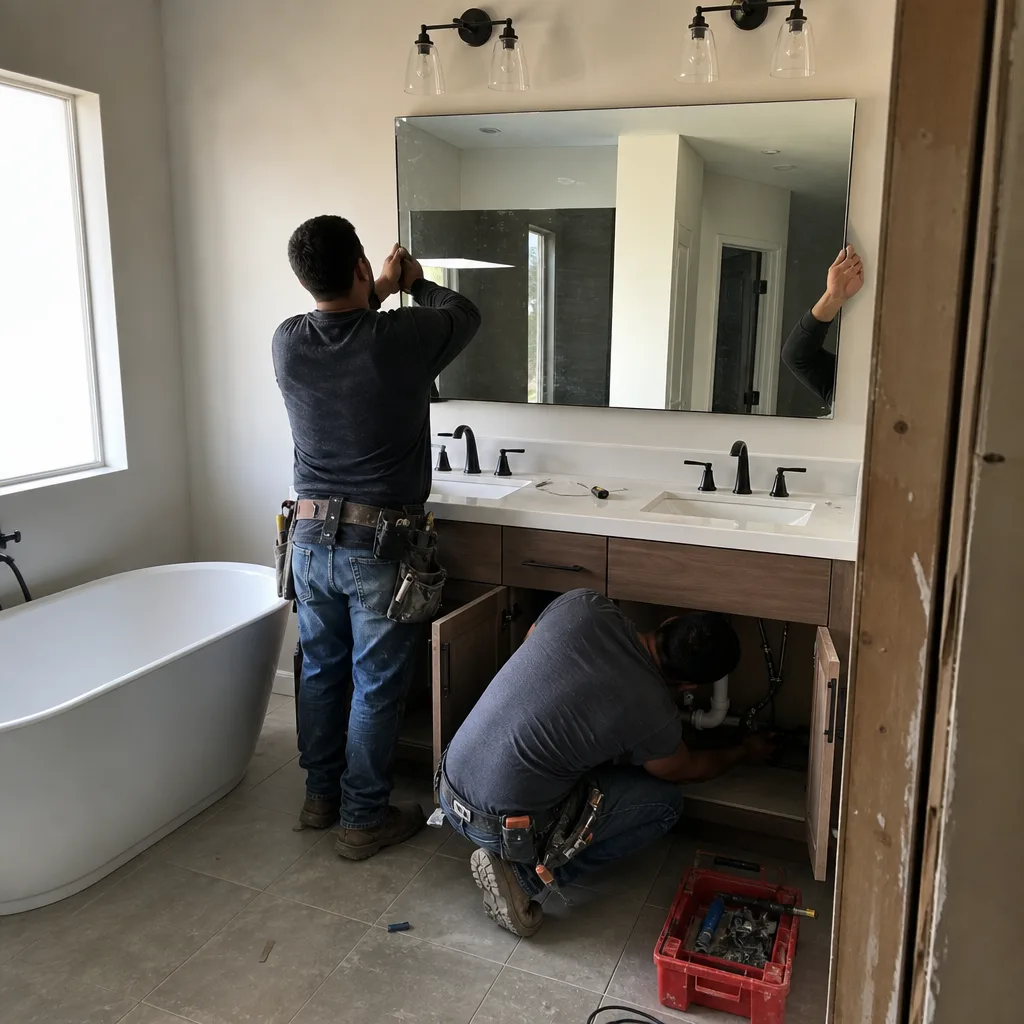
These ranges reflect complete project costs in Rancho Cucamonga - labor, materials, permits, temporary facilities, and standard finishes - based on our 2025 project data adjusted for 2026 material inflation (3-5%) and labor rate adjustments (2-4%). They assume open-shop crews, vetted material brands, and standard site conditions (no hillside, no hazardous material abatement, no structural surprises).
Kitchen Remodeling
- Minor refresh (cabinets refaced, countertops replaced, appliances swapped): $18,000-$28,000
- Mid-range remodel (semi-custom cabinets, quartz counters, new appliances, minor layout change): $31,000-$58,000
- Major remodel (custom cabinets, professional appliances, structural wall removal, plumbing relocation): $62,000-$98,000
Bathroom Remodeling
- Hall bath refresh (vanity, toilet, tub surround, basic tile): $12,000-$18,000
- Mid-range remodel (semi-custom vanity, walk-in shower with glass door, porcelain tile, updated plumbing): $18,000-$34,000
- Primary bath luxury (double vanity, freestanding tub, curbless shower, heated floor, custom details): $38,000-$68,000
Roofing
- Asphalt shingle replacement (GAF or Owens Corning, 2,000 sq ft home): $12,500-$22,000
- Tile roof repair and partial replacement (clay or concrete, common in 1980s-1990s Rancho Cucamonga tracts): $8,500-$18,000 for partial; $28,000-$48,000 for full replacement
- Flat roof membrane (TPO or modified bitumen, common on patio covers and additions): $7,500-$14,000
Windows and Doors
- Vinyl replacement (Milgard Tuscany, 12-15 windows): $8,500-$14,000
- Fiberglass upgrade (Milgard Ultra or Andersen 100 Series): $14,000-$22,000
- Wood-clad premium (Andersen 400 Series or Marvin Integrity): $22,000-$38,000
- Entry door replacement (fiberglass or steel, including frame): $2,800-$6,500
- Sliding or French door (vinyl or fiberglass, 6-8 foot): $3,800-$8,500
Home Additions and ADUs
- 400-square-foot room addition (foundation to finish, mid-range finishes): $78,000-$128,000
- 600-square-foot master suite addition (including bathroom): $128,000-$198,000
- Detached ADU, 400 square feet (studio, kitchenette, full bath): $98,000-$168,000
- Detached ADU, 800 square feet (one bedroom, full kitchen, laundry): $168,000-$268,000
ADU costs in Rancho Cucamonga carry specific local factors: fire sprinkler requirements in hazard zones ($3,500-$6,000); utility connection fees to Cucamonga Valley Water District or Rancho Cucamonga Municipal Utility ($2,400-$5,800 depending on service size); and the city’s design review process for detached units in certain zoning districts (adding 2-4 weeks to timeline, not directly to cost but affecting carrying costs).
Fence Installation
- Wood privacy fence, 6-foot (cedar or redwood, standard post spacing): $28-$42 per linear foot
- Vinyl privacy fence: $38-$58 per linear foot
- Wrought iron or aluminum ornamental: $68-$125 per linear foot
- Masonry wall (stucco finish, standard height): $85-$145 per linear foot
Driveway and Pavers
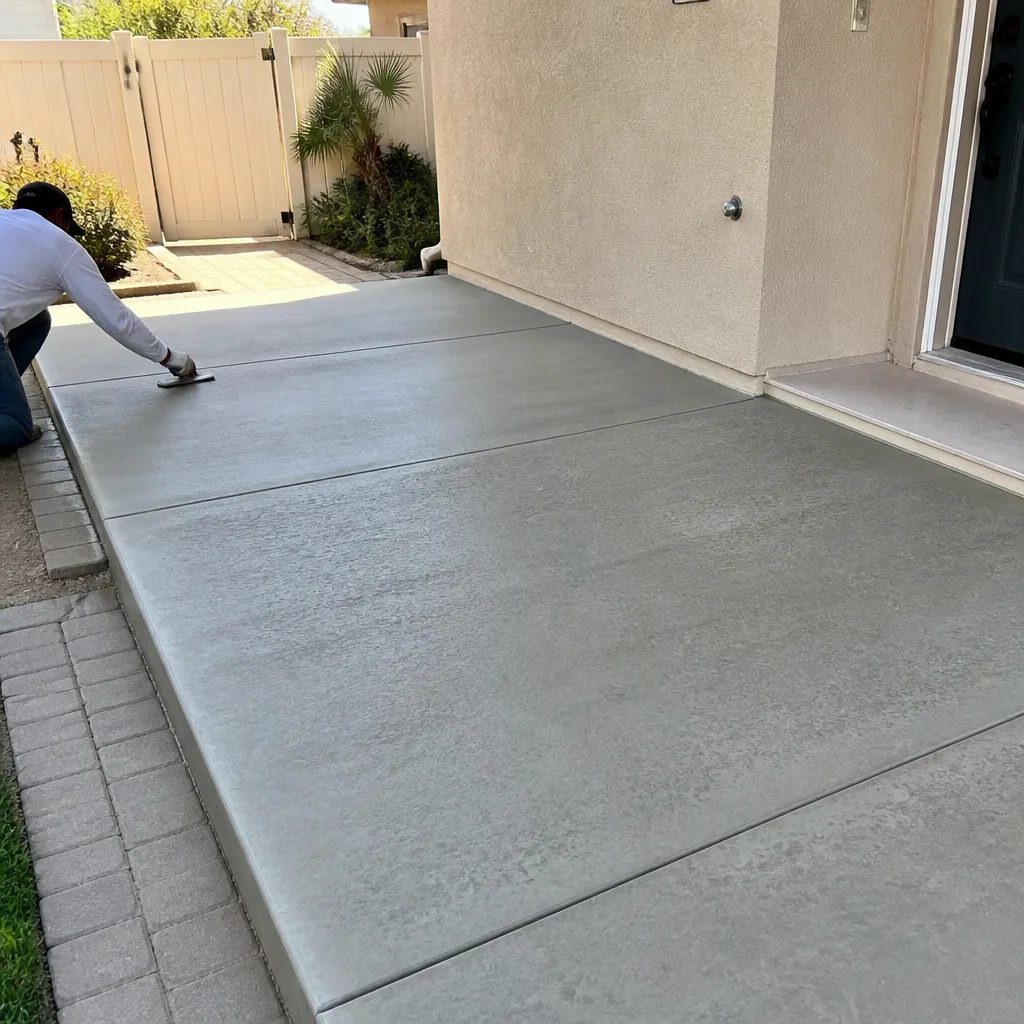
- Concrete driveway replacement, 4-inch standard (500 square feet): $4,800-$7,500
- Decorative concrete (stamped or colored): $8,500-$14,000 for 500 square feet
- Belgard or Techo-Bloc paver driveway: $12,500-$22,000 for 500 square feet
- Patio or walkway, concrete: $6,500-$11,000 for 300 square feet
- Patio or walkway, pavers: $9,800-$18,000 for 300 square feet
These ranges are intentionally wider than a specific quote because they span finish levels and site conditions. A written price from Rowan Construction Group narrows to a single number with a written scope - the whole point of Clause 1 of the Haven Standard.
Cost Control: The Systems That Keep Projects Within Budget
Budget overruns don’t typically come from one catastrophic decision. They come from accumulated small deviations: an upgraded faucet here, a scope expansion there, a “while we’re at it” that adds up. Our discipline around cost control is administrative, not inspirational - it’s the reason our projects finish within a few percent of the agreed price.
The signed change order. No work proceeds on a change until the change order is signed. This sounds obvious, but in practice many contractors begin changed work verbally to maintain momentum, then present a bill later. We don’t. The administrative delay of obtaining a signature is preferable to the budget surprise of an unsigned change. This discipline, acquired when Haven purchased Rowan in 2019, is the single biggest factor in our cost predictability.
The written price before any work starts. Every project - Roofing in Rancho Cucamonga, kitchen remodel, ADU - receives a flat written price with a written scope and a written warranty. “Call for a quote” is not an option here. The price is the price, and it’s available before anyone picks up a tool.
The documented photo record. Every visit includes photographic documentation of existing conditions, work-in-progress, and completed work. This isn’t for marketing; it’s for dispute prevention. When a homeowner questions whether a wall was properly insulated, we show the photo taken before drywall closed. When a permit inspector asks about footing depth, we show the photo with the tape measure visible. The customer leaves with evidence, not assurances.
The allowance reconciliation. When selections exceed allowances, we don’t absorb the difference to avoid an awkward conversation. We present the signed change order with the specification change documented. When selections come in under allowance, we credit the difference to the final payment. Both directions are documented.
The 365-Day Done Right Promise. If it’s not done right, we make it right - backed by The Haven Standard, not a handshake. This applies to punch-list items discovered months after move-in, not just before final payment. The guarantee is printed on every page and backed by a terms page, not an asterisk.
Common Mistakes to Avoid
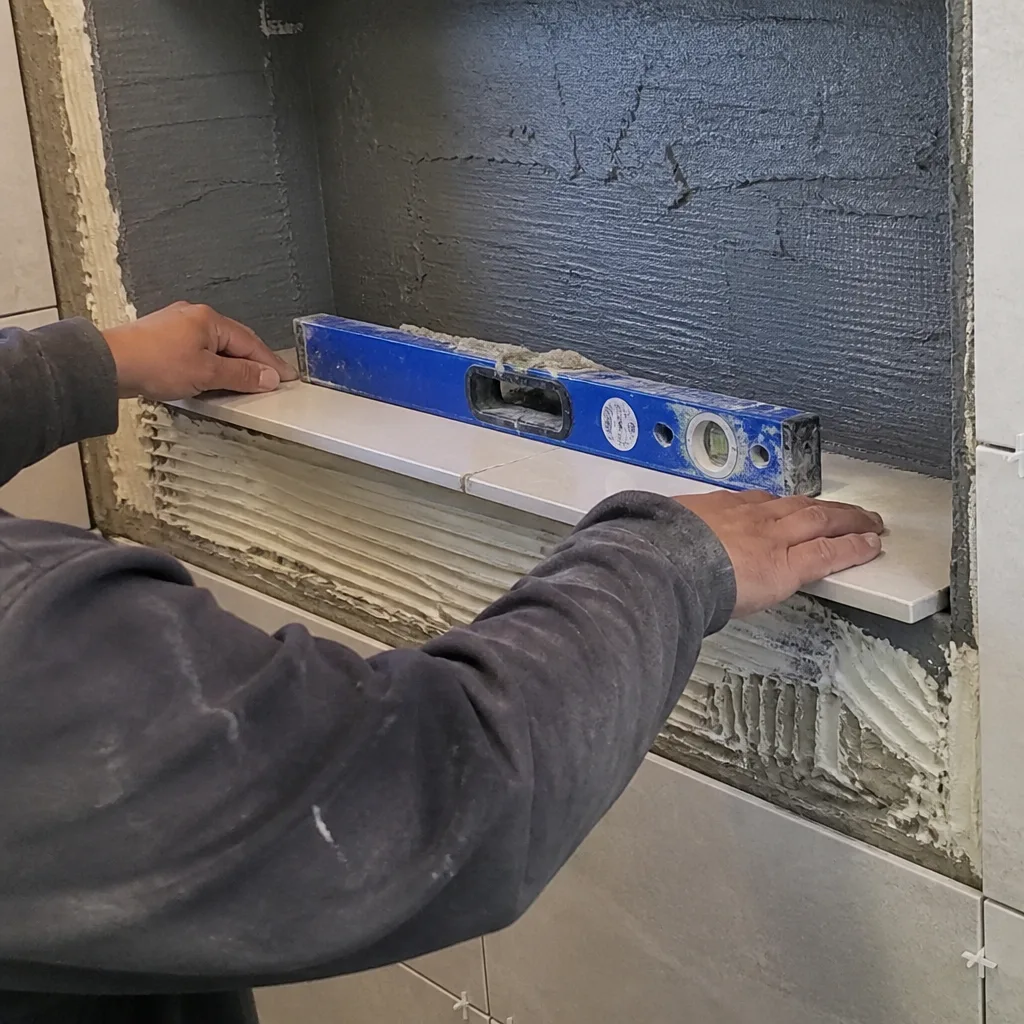
- Comparing bids with different allowance assumptions. A $38,000 kitchen bid with $8,000 in cabinet allowances is not cheaper than a $42,000 bid with $12,000 in allowances - it’s just less specified. Normalize allowances before comparing totals.
- Ignoring Rancho Cucamonga’s fire hazard zones. Properties north of Base Line Road and east of Milliken Avenue fall in Very High Fire Hazard Severity Zones, triggering sprinkler requirements, ember-resistant venting, and extended setbacks. A bid that doesn’t account for these will fail plan check or generate change orders.
- Assuming “permits included” covers engineering. Structural engineering, Title 24 calculations, and soils reports are third-party services with separate fees. Ask specifically what’s included and what requires additional contracts.
- Accepting verbal allowances for finish materials. “We’ll figure out the tile later” means the contractor is guessing, and the guess is usually low. Specify brand, line, and approximate quantity before signing.
- Neglecting temporary facilities in the budget. Dumpster, portable restroom, material storage, and site protection run $2,400-$6,800 on typical remodels. A bid that omits these is underbudgeting or planning to charge later.
- Choosing the lowest bid without checking worker comp and liability insurance. Rancho Cucamonga’s open-shop market includes legitimate contractors and operators who shortcut payroll taxes and insurance. Verify certificates before signing; the cost of an uninsured worker injury flows to the homeowner.
- Planning construction without seasonal considerations. Rancho Cucamonga’s July-August heat slows exterior work; Santa Ana winds in fall create material securement challenges; winter rains (when they occur) delay concrete pours. A schedule that ignores these realities compresses into overtime or change orders.
When to Call a Professional
Call a licensed contractor when your project involves structural modification, electrical or plumbing relocation, permit requirements, or any work where errors would be expensive to reverse. In Rancho Cucamonga, this threshold arrives early: even a kitchen remodel typically requires electrical and plumbing permits, and the city’s plan check process rewards complete documentation over repeated submissions.
Rowan Construction Group Rancho Cucamonga offers free estimates in Rancho Cucamonga - call (909) 373-9612. Browse our more guides & resources for additional local construction insights. We also provide a Free Second Opinion on any written estimate: bring a competitor’s quote and we’ll review it line by line at no charge, comparing allowances, specifications, and fee structures against what we’ve tracked in the local market.
Frequently Asked Questions
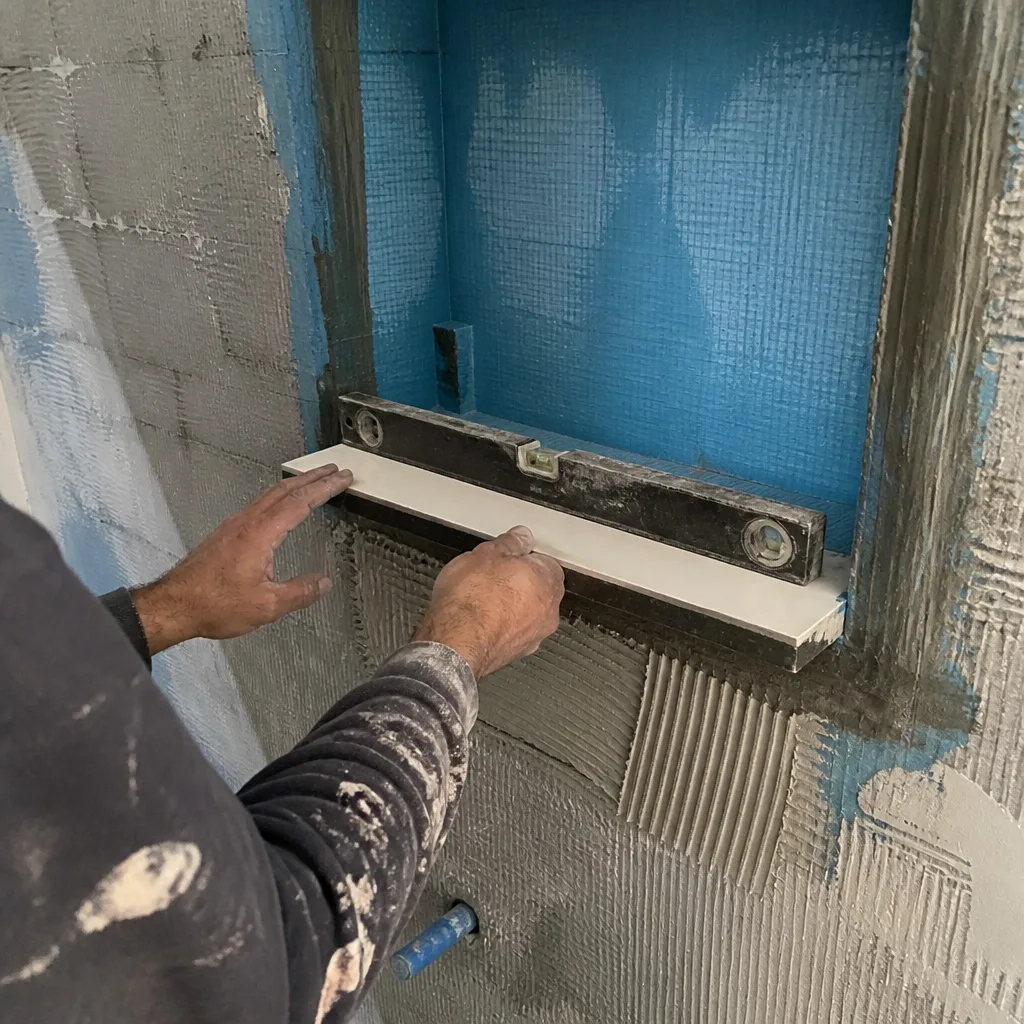
A mid-range kitchen remodel in Rancho Cucamonga costs $155-$290 per square foot for finished space, with the range driven by cabinet brand, countertop material, and appliance tier rather than size alone. A 200-square-foot kitchen with KraftMaid semi-custom cabinets, Cambria quartz counters, and standard appliances runs toward the lower end; the same footprint with custom cabinetry, professional appliances, and structural modifications runs higher. Call (909) 373-9612 for an exact quote - estimates are free.
Under Clause 1 of the Haven Standard, the written price is delivered before any work starts, and no change proceeds without a signed change order. Our projects finish within a few percent of the agreed price because we don’t begin changed work without documentation. The only price changes are those you request and approve in writing. Call (909) 373-9612 to schedule your free estimate.
Do you pull the permits, or do I?
We pull all permits as the responsible contractor - it’s included in our project management and required by our licensing. You receive copies of all permit documents, inspection records, and final approvals. In Rancho Cucamonga, we maintain direct relationships with city plan check staff